Formula details
Product Details
Overview
High-Purity Tinuvin 770 (HALS 770) — Premium Polymer UV Light Stabilizer
Factory-Direct Bis(2,2,6,6-tetramethyl-4-piperidyl) Sebacate for Thermoplastics, Elastomers, and Industrial Coatings
When outdoor exposure threatens the structural integrity and surface appearance of your polymers, standard UV absorbers often fall short. We supply factory-direct Tinuvin 770, a premium low molecular weight Hindered Amine Light Stabilizer (HALS 770) engineered to deliver ultimate weatherability. By tracking and neutralizing free radicals before they cause significant polymer degradation, this high-performance Light Stabilizer 770 guarantees long-term color retention, prevents surface cracking, and maintains the physical properties of your materials under intense UV radiation.
Whether you are compounding thick-section polyolefins or formulating high-durability industrial coatings, our CAS 52829-07-9 additive provides exceptional photostabilization where traditional options fail.
Core Performance Advantages
- Ultimate Surface Protection: Functions as a highly efficient radical scavenger additive, halting the auto-oxidation cycle in its tracks.
- Thickness-Independent Performance: Unlike standard UV absorbers, our UV Stabilizer 770 delivers uniform protection across the entire substrate, making it highly effective for both thin films and thick molded parts.
- Broad Substrate Compatibility: The ultimate polypropylene light stabilizer, also perfectly suited for polyurethane light protection, engineering plastics, and specialty elastomers.
- Cost-Efficient Weatherability: Minimizes gloss loss, chalking, and yellowing at exceptionally low addition rates, significantly extending the service life of outdoor plastics.
Primary Global Applications
Our high-purity photostabilizer for plastics is the industry standard for demanding manufacturing sectors worldwide:
| Industry Sector | Primary Target Polymers | Key Benefits Realized |
|---|---|---|
| Automotive & Outdoor Trim | PP, TPE, ABS, Polyurethane | Prevents fading, surface cracking, and impact loss. |
| Industrial Coatings | Polyurethanes, Alkyds, Acrylics | Protects clear coats and pigmented finishes from gloss reduction. |
| Packaging & Agriculture | HDPE, LDPE, LLDPE | Extends film life and maintains mechanical tear resistance. |
| Consumer & Construction Goods | Styrenics, PVC, Engineering Plastics | Acts as a reliable plastic anti-aging agent for long-term outdoor use. |
Product Overview & Core Mechanisms
What is Tinuvin 770?
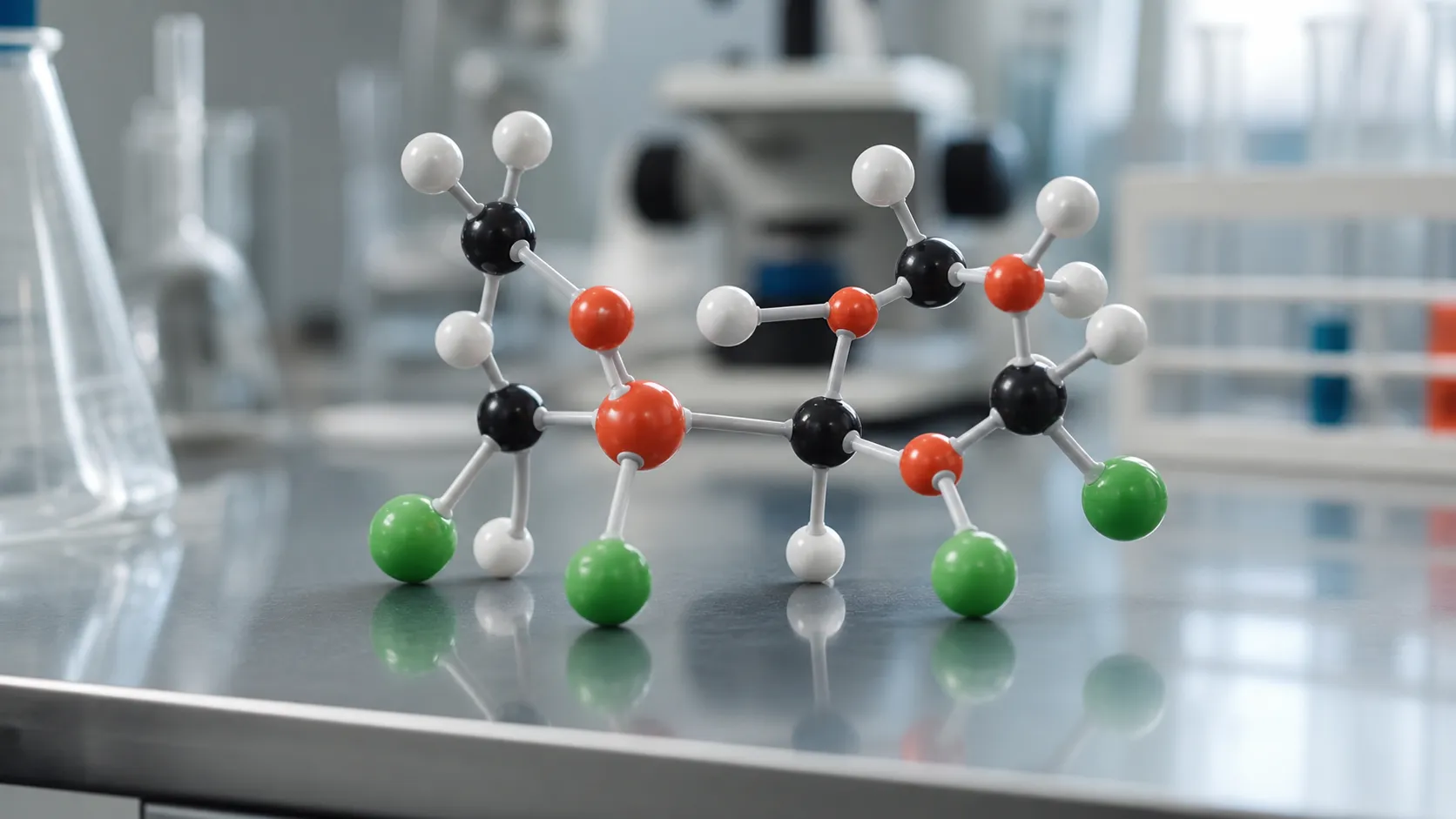
We offer Tinuvin 770 (also known as HALS 770), a premium low molecular weight Hindered Amine Light Stabilizer (CAS 52829-07-9). Chemically defined as Bis(2,2,6,6-tetramethyl-4-piperidyl) sebacate, this high-efficiency UV Stabilizer 770 protects plastics from severe degradation caused by light and heat. Unlike surface treatments, it integrates directly into the polymer matrix to prevent cracking, chalking, and loss of physical properties.
Radical-Scavenging Mechanism vs. Traditional UV Absorbers
Traditional UV absorbers work by soaking up harmful light and converting it into heat, which means they lose effectiveness over time and fail to protect the surface layer. Our Light Stabilizer 770 functions as an active radical scavenger additive. It traps the free radicals triggered by photo-oxidation, halting the chain reaction of polymer degradation before it ruins the material.
- UV Absorbers: Filter light; depth-dependent; less effective on thin surfaces.
- HALS 770: Traps destructive radicals; works everywhere from the surface to the core.
Independent of Sample Thickness
Because it relies on chemical scavenging rather than light absorption, the performance of this photostabilizer for plastics is completely independent of sample thickness. It delivers exceptional polyolefin UV protection in thin-walled applications where standard absorbers fail.
- Thin Films & Tapes: Maximum protection where light filters cannot function.
- Fibers & Monofilaments: Retains tensile strength and flexibility.
- Thick Molded Parts: Uniform protection throughout the entire cross-section.
Regenerative Denisov Cycle
The exceptional longevity of our plastic anti-aging agent comes down to the Denisov Cycle. When HALS 770 reacts with peroxyl radicals, it forms nitroxide radicals that trap alkyl radicals, eventually regenerating the active stabilizer species.
[HALS 770] → Nitroxide Radicals (>N-O•) → Traps Alkyl Radicals → Regenerates Active Stabilizer
This self-renewing cycle ensures continuous, long-term protection, meaning a small dosage goes a very long way in maintaining polymer weatherability.
Thermal & Outdoor Durability
Beyond basic sun protection, this additive provides excellent thermal stability during high-temperature processing and extended outdoor exposure. It significantly boosts polypropylene light stabilizer systems and serves as an elite polyurethane light protection additive, keeping your end products structurally sound and visually clean in harsh climates.
Comprehensive Technical Specifications
When you source Tinuvin 770 (CAS 52829-07-9) for your formulation line, you need reliable, consistent performance parameters. Here is the direct breakdown of our high-purity Hindered Amine Light Stabilizer (HALS 770) specifications.
Physical & Chemical Parameters
We maintain strict batch-to-batch quality controls to guarantee high purity, low volatility, and excellent thermal stability during high-temperature compounding.
| Parameter | Technical Specification | Test Standard |
|---|---|---|
| Chemical Name | Bis(2,2,6,6-tetramethyl-4-piperidyl) sebacate | IUPAC |
| CAS Number | 52829-07-9 | — |
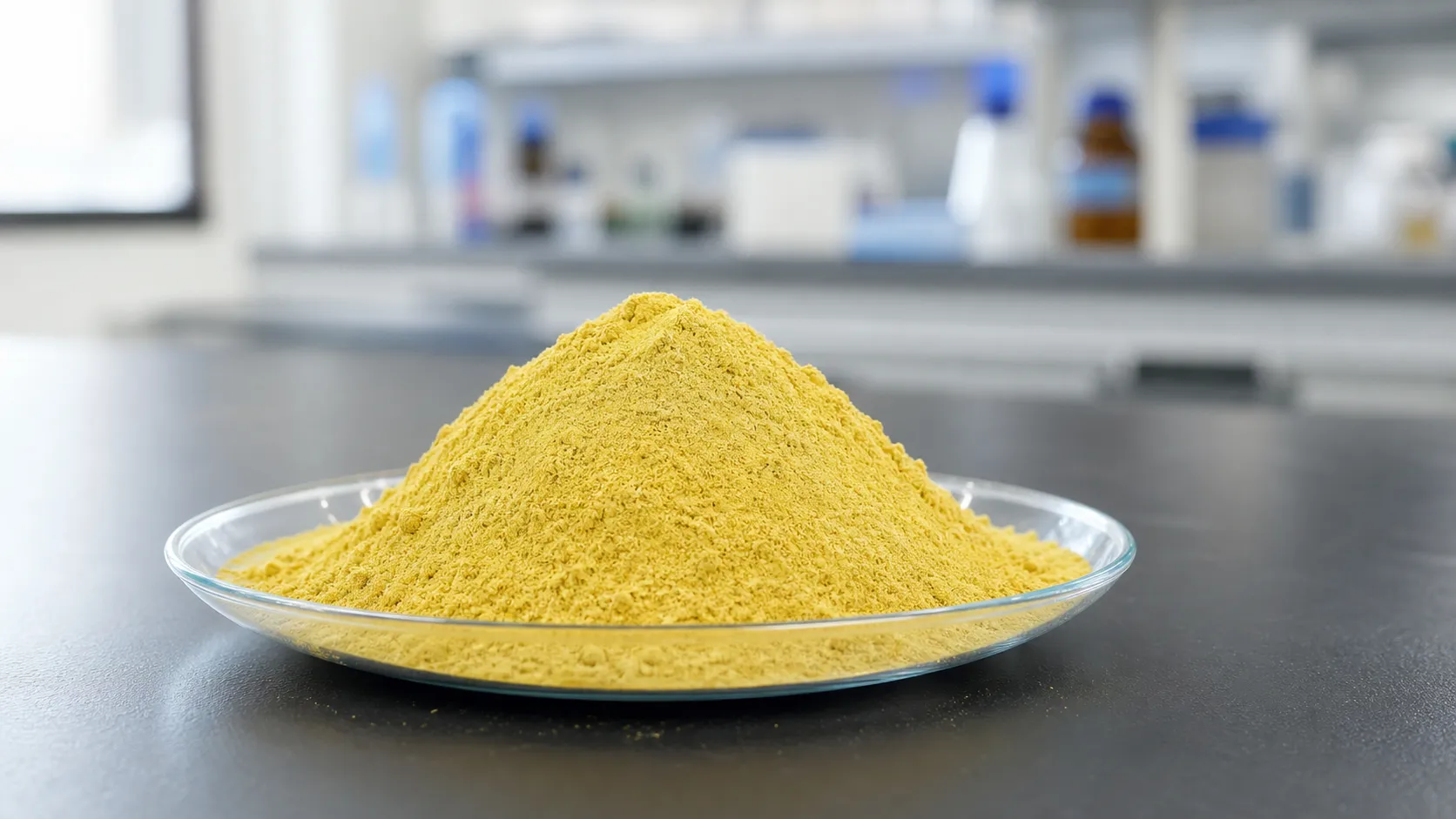
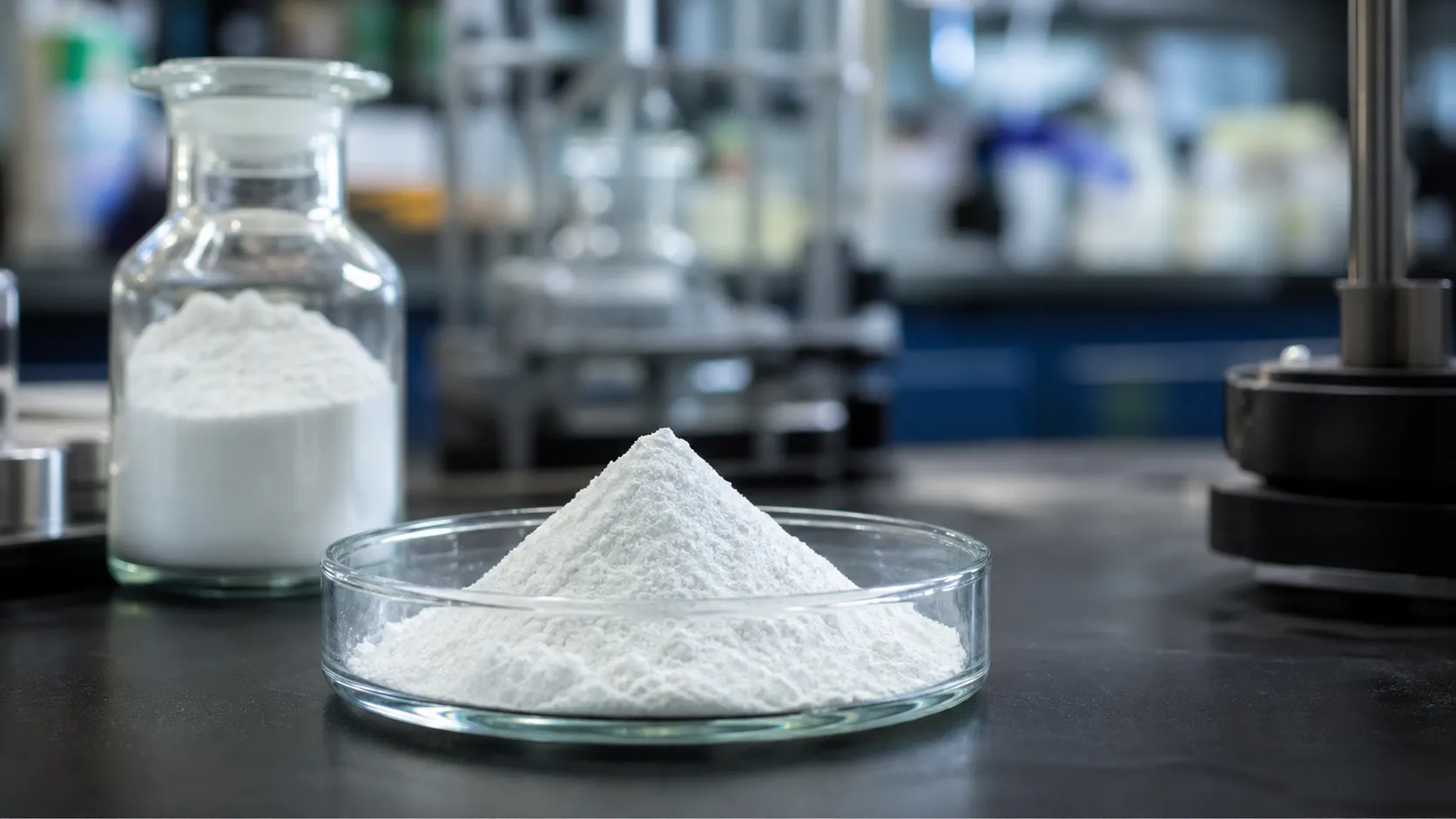
| Appearance | White crystalline powder / granular (DF grade) | Visual |
| Active Content | $ge$ 99.0% | HPLC |
| Melting Range | 81 °C – 85 °C | Differential Scanning Calorimetry |
| Ash Content | $le$ 0.1% | Calcination |
| Volatile Matter | $le$ 0.5% | Thermal Gravimetric Analysis |
| Transmittance (425 nm) | $ge$ 98.0% (10g/100ml Toluene) | UV-Vis Spectrophotometry |
| Transmittance (500 nm) | $ge$ 99.0% (10g/100ml Toluene) | UV-Vis Spectrophotometry |
Solubility Profile (20 °C, g/100g Solvent)
As a low molecular weight HALS, Light Stabilizer 770 dissolves rapidly in common organic solvents and liquid monomers, simplifying masterbatch preparation and coating formulations.
- Acetone: 19 g / 100g
- Chloroform: 46 g / 100g
- Ethyl Acetate: 24 g / 100g
- Hexane: 5 g / 100g
- Methanol: 38 g / 100g
- Methylene Chloride: 56 g / 100g
- Toluene: 50 g / 100g
- Water: < 0.01 g / 100g (Insoluble)
Solvent Compatibility
- Aromatic Hydrocarbons: Excellent compatibility in toluene and xylene systems; ideal for industrial coatings.
- Esters & Ketones: Fast dissolution in ethyl acetate, butyl acetate, and MEK without haze or precipitate.
- Alcohols: High solubility in methanol and ethanol for specialty carrier applications.
- Aqueous Systems: Insoluble in water, ensuring low extractability and strong resistance to leaching in wet outdoor environments.
Polymer Compatibility & Application Matrix
Our high-purity Tinuvin 770 (HALS 770) is engineered for high-efficiency protection in thick-section polymer matrices. As a premium low molecular weight HALS, it migrates effectively to block surface degradation, gloss loss, and cracking caused by prolonged UV exposure.
Compatible Polymer Substrates
We optimize this hindered amine light stabilizer for a broad range of industrial thermoplastics and elastomers:
- Polyolefins: Exceptional performance in polypropylene (PP) fibers, tapes, and thick molded parts, as well as high-density polyethylene (HDPE) and LDPE.
- Styrenics: Prevents yellowing and impact loss in Acrylonitrile Butadiene Styrene (ABS), Polystyrene (PS), and Impact Polystyrene (HIPS).
- Polyurethanes: Acts as a reliable polyurethane light protection additive in reaction injection molding (RIM) parts, TPU films, and synthetic leather.
- Engineering Plastics & Elastomers: Highly compatible with Polyamides (PA), Polyacetals (POM), and various synthetic rubbers like EPDM.
Recommended Concentration Guidelines
For maximum polymer weatherability additive efficiency, we recommend the following dosage levels based on total resin weight:
| Polymer Matrix | Application Type | Recommended Dosage (%) |
|---|---|---|
| Polypropylene (PP) | Injection Molded Parts, Crates, Automotive Trim | 0.2% – 0.5% |
| Polyethylene (PE) | Blow Molded Containers, Heavy-Duty Films, Tapes | 0.1% – 0.4% |
| Styrenics (ABS/PS) | Consumer Electronics, Appliance Housings | 0.2% – 0.6% |
| Polyurethanes (TPU/PU) | Industrial Coatings, Automotive Interior Parts | 0.2% – 1.0% |
| Elastomers (EPDM/SBR) | Outdoor Profiles, Seals, Gaskets | 0.3% – 0.8% |
Tech Tip: For outdoor applications facing extreme weathering, pairing our UV stabilizer 770 with a high molecular weight HALS or a benzotriazole UV absorber creates a powerful synergistic defense that extends the service life of the plastic product exponentially.
Formulation Synergies & Co-Stabilization Strategies
To maximize outdoor service life and prevent premature polymer degradation, we rarely recommend using Tinuvin 770 as a standalone additive. Pairing this low molecular weight Hindered Amine Light Stabilizer (HALS 770) with complementary additives creates a multi-layered defense system against photo-oxidation, heat, and severe environmental exposure.
Combining HALS 770 with UV Absorbers
While Tinuvin 770 acts as a powerful radical scavenger, it does not absorb harmful UV radiation directly. Combining it with UV absorbers creates a synergistic protective mechanism:
- UV Absorbers: Filter and absorb incoming UV radiation before it penetrates the substrate, converting harmful energy into benign heat.
- HALS 770: Traps free radicals generated by the remaining light that passes through the surface layer.
- Performance Result: This combination significantly reduces surface chalking, micro-cracking, and color fading in thick molded parts and heavy-duty industrial coatings.
Synergy with Benzotriazoles / Triazines
Integrating Bis(2,2,6,6-tetramethyl-4-piperidyl) sebacate with high-performance light absorbers delivers industry-leading UV stabilization:
- Benzotriazoles (e.g., Tinuvin 326 / Tinuvin 328): Ideal for polyolefins and styrenics, providing strong UV protection across critical light spectrum wavelengths.
- Triazines (e.g., Tinuvin 1577): Excellent thermal stability and minimal volatility, making them perfect for high-temperature polymer processing alongside HALS 770.
- Recommended Ratio: A 1:1 to 2:1 ratio of UV absorber to UV Stabilizer 770 typically offers the best balance for outdoor polyolefin applications.
Binary HALS Blends
For applications requiring both surface protection and long-term bulk durability, blending Light Stabilizer 770 with high molecular weight HALS is an industry best practice:
| HALS Type | Representative Additives | Primary Benefit |
|---|---|---|
| Low Molecular Weight (HALS 770) | CAS 52829-07-9 | Fast radical scavenging, high mobility, superior surface protection |
| High Molecular Weight HALS | Chimassorb 944 / Chimassorb 2020 | Low extraction, high thermal stability, long-term bulk protection |
- Why Blend? The fast-migrating Tinuvin 770 rapidly protects the surface layer, while high molecular weight polymeric HALS stays locked in the polymer matrix to prevent gas fading and migration loss during water extraction.
Antioxidant Synergy
Light exposure often accelerates thermal degradation during processing and end-use. Combining Tinuvin 770 with a primary and secondary antioxidant package ensures complete anti-aging protection:
- Primary Phenolic Antioxidants (e.g., Antioxidant 1010 / 1076): Scavenge oxygen-centered radicals during thermal processing and outdoor exposure.
- Secondary Phosphite Antioxidants (e.g., Antioxidant 168): Decompose hydroperoxides generated during melt processing, preserving the polymer's original melt flow index (MFI).
- Co-Stabilization Benefit: Protecting the resin against thermal breakdown allows Tinuvin 770 to focus purely on photo-oxidative protection, dramatically extending overall product lifespan.
Why Source Tinuvin 770 from Greenlano?
Direct Factory Advantage & Cost Optimization
We eliminate middleman markups by supplying Tinuvin 770 directly from our manufacturing facilities. This factory-direct model optimizes your procurement budget while ensuring a stable, scalable supply of Hindered Amine Light Stabilizer for high-volume polymer production.
Batch-to-Batch Quality Assurance
Every shipment of our Light Stabilizer 770 undergoes rigorous purity and performance testing. We guarantee high-purity Bis(2,2,6,6-tetramethyl-4-piperidyl) sebacate with strict consistency in mesh size, color index, and active ingredient tracking to protect your downstream plastic anti-aging lines.
Complete Documentation Suite
We streamline your compliance and auditing processes by providing full technical packages for every batch of HALS 770:
Certificate of Analysis (COA)
Safety Data Sheets (SDS) matching global regulatory standards
Technical Data Sheets (TDS) with precise application limits
REACH registration and chemical inventory compliance certificates
Global Logistics & Supply Chain Reliability
Our logistics network ensures dependable, on-time delivery of UV Stabilizer 770 to major industrial hubs worldwide. We maintain strategic safety stocks to shield your operations from sudden maritime delays, raw material spikes, or unexpected market shortages.
Safety, Handling & Storage Guidelines
Handling chemical additives like Tinuvin 770 (HALS 770) requires standard industrial hygiene practices to ensure workplace safety and maintain product integrity over time. Here is how we recommend handling and storing this low molecular weight hindered amine light stabilizer in your facility.
Industrial Hygiene & Handling
To protect your workforce and keep operations running smoothly, implement these basic safety precautions when handling UV Stabilizer 770:
- Personal Protective Equipment (PPE): Wear standard safety glasses with side shields, chemical-resistant gloves (such as nitrile or neoprene), and protective work clothing.
- Dust Control & Inhalation: Use local exhaust ventilation in areas where powder or granular dust may generate. Wear an approved particulate respirator if dust levels exceed occupational exposure limits.
- Skin & Eye Contact: Avoid direct contact with skin, eyes, and clothing. Wash thoroughly with soap and water after handling and before breaks or meals.
- Static Discharge Prevention: Like most organic powders, Bis(2,2,6,6-tetramethyl-4-piperidyl) sebacate can form explosive dust-air mixtures. Ground all equipment during transfer operations to prevent static sparks.
Storage Conditions & Shelf Life
Proper storage preserves the physical form and active chemical concentration of Tinuvin 770 for long-term production needs.
| Storage Parameter | Target / Guideline |
|---|---|
| Ideal Temperature | Below 30 °C (86 °F) in a cool, dry area |
| Humidity Control | Keep tightly sealed; store off the floor to prevent moisture absorption |
| Light & Heat Exposure | Protect containers from direct sunlight, UV exposure, and heat sources |
| Packaging Integrity | Keep original containers or bags sealed until ready for production use |
| Standard Shelf Life | 24 months from date of manufacture under recommended conditions |
Pro Tip: Keep stocks organized using a First-In, First-Out (FIFO) system. Inspect sealed containers periodically for any physical damage or moisture exposure.
Frequently Asked Questions (Technical & Procurement)
Tinuvin 770 vs. Tinuvin 770 DF
| Feature | Tinuvin 770 | Tinuvin 770 DF |
|---|---|---|
| Physical Form | Powder / Granule | Dust-Free (DF) Granules |
| Handling Characteristics | Standard powder processing | Minimal airborne dust, improved flowability |
| Dosing Precision | Standard feeders | Ideal for automated, dust-sensitive dosing systems |
| Chemical Structure | Bis(2,2,6,6-tetramethyl-4-piperidyl) sebacate | Identical chemical structure (CAS 52829-07-9) |
Both forms deliver identical HALS 770 light stabilization performance. We offer both options to fit your plant's specific handling equipment.
Food Contact Compliance
Yes, with specific regional limitations.
- Regulatory Approvals: Tinuvin 770 is cleared for use in select polyolefin food-contact applications under specified FDA regulations and EU food contact guidelines.
- Migration & Concentration Limits: Compliance depends on the substrate, maximum dosage level, and contact temperature.
- Our Recommendation: Contact our technical team with your target region and end-use polymer for detailed compliance letters and specific migration limit (SML) data.
Acidic Environments & Acidic Pigments
We do not recommend standard HALS 770 for strongly acidic environments.
- Basicity Interference: As a low molecular weight Hindered Amine Light Stabilizer, the basic amine group in Tinuvin 770 reacts with acidic compounds (e.g., acid rain, halogenated flame retardants, acidic pigments like carbon black or certain sulfur dyes).
- Deactivation Risk: This acid-base reaction forms salts, deactivating the regenerative Denisov cycle and reducing UV protection performance.
- Alternative Solutions: For acidic formulations, we supply NOR-HALS additives that resist acid quenching.
Greenlano MOQ & Sample Lead Times
| Parameter | Standard Guideline |
|---|---|
| Sample Orders | Free samples (100g–500g) dispatched within 24–48 hours |
| Minimum Order Quantity (MOQ) | 25 kg (Standard fiber drum / bag packaging) |
| Commercial Lead Time | 3–7 business days for stocked inventory; bulk orders customized on schedule |
| Shipping Options | Air express for testing; sea, rail, or air freight for commercial supply |