Formula details
Product Details
Overview
What Is Polyacrylamide?
High-Performance Water-Soluble Polymer
Polyacrylamide (commonly abbreviated as PAM) is a synthetic, high-molecular-weight, water-soluble polymer built from acrylamide subunits. It acts as a highly effective industrial flocculant chemical and coagulant aid engineered to accelerate solid-liquid separation in aqueous systems.
At Greenlano, we supply premium PAM flocculant products in polyacrylamide powder and liquid forms to optimize operational efficiency for global industrial and municipal facilities.
Core Roles of Polyacrylamide
- Flocculation and Aggregation: Neutralizes particle charges and creates molecular bridges to gather fine suspended solids into large flocs.
- Viscosity Enhancement: Increases fluid viscosity, vital for enhanced oil recovery and customized chemical formulations.
- Drag and Friction Reduction: Decreases hydraulic resistance in fluid transport systems for smoother flow dynamics.
Why PAM Is Essential for Municipal and Industrial Processes
Modern water treatment and industrial manufacturing demand high-capacity separation solutions. Polyacrylamide is the global standard due to its clear operational advantages:
- Exceptional Efficiency: Requires low dosage rates while delivering rapid particle settling and sludge dewatering.
- Operational Flexibility: Performs consistently across wide pH spectrums, high-salinity conditions, and varying temperature ranges.
- Cost Reduction: Reduces sludge volume, lowers disposal fees, and minimizes overall energy consumption in solid-liquid processing.
Polyacrylamide Product Types
We manufacture four primary chemical variants of this water treatment polymer to target specific particle charges and water conditions. Choosing the right ionic charge ensures optimal flocculation and cost efficiency.
Anionic Polyacrylamide (APAM)
- Main Characteristics: Carries a negative electrical charge with high molecular weight. It functions primarily through powerful chain-bridging mechanisms.
- Typical Applications: Highly effective for inorganic wastewater treatment, polyacrylamide for oil recovery (EOR), mining tailing separation, and neutral-to-alkaline systems.
Cationic Polyacrylamide (CPAM)
- Main Characteristics: Carries a positive electrical charge. It works by neutralizing the negative charges found on organic particles, causing rapid aggregation.
- Wastewater Flocculant Uses: Serves as a premier sludge dewatering agent for municipal sewage plants and organic industrial waste from food processing, paper mills, and tanneries.
Non-Ionic Polyacrylamide (NPAM)
- Main Characteristics: Neutral electrical charge. It relies almost entirely on hydrogen bonding and polymer chain bridging to form flocs.
- Suitable Working Conditions: Performs reliably in highly acidic wastewater environments and high-salinity industrial streams where ionic polymers lose their effectiveness.
Amphoteric Polyacrylamide
- Main Characteristics: Contains both positive and negative charge centers on a single polymer chain.
- Special Application Environments: Ideal for complex, shifting wastewater profiles containing mixed organic and inorganic solids, as well as advanced retention aid systems in papermaking.
Product Form Selection Guide
The physical form of the polymer dictates the required dosing system footprint, dissolution time, and logistics costs.
| Product Form | Active Content | Dissolution Time | Dosing System Requirement | Best For |
|---|---|---|---|---|
| Polyacrylamide Powder | 89% - 92% | 40 - 60 minutes | Requires a dedicated dissolving tank and aging system | Long-distance shipping, high-volume industrial plants |
| Emulsion Form | 30% - 50% | 5 - 15 minutes | Suitable for automated, continuous inline inversion dosing | Space-constrained facilities, rapid-response applications |
| Liquid Form | 5% - 10% | Instant | Direct dosing pump setups | Low-volume operations, immediate utilization needs |
Polyacrylamide Technical Specifications
We manufacture high-grade polyacrylamide powder and liquid formulations engineered to meet precise operational parameters. Every batch undergoes strict quality control to guarantee consistent molecular weight, ionic charge, and dissolution performance.
| Parameter | Standard Specification | Operational Impact |
|---|---|---|
| CAS Number | 9003-05-8 | Verified global product identifier |
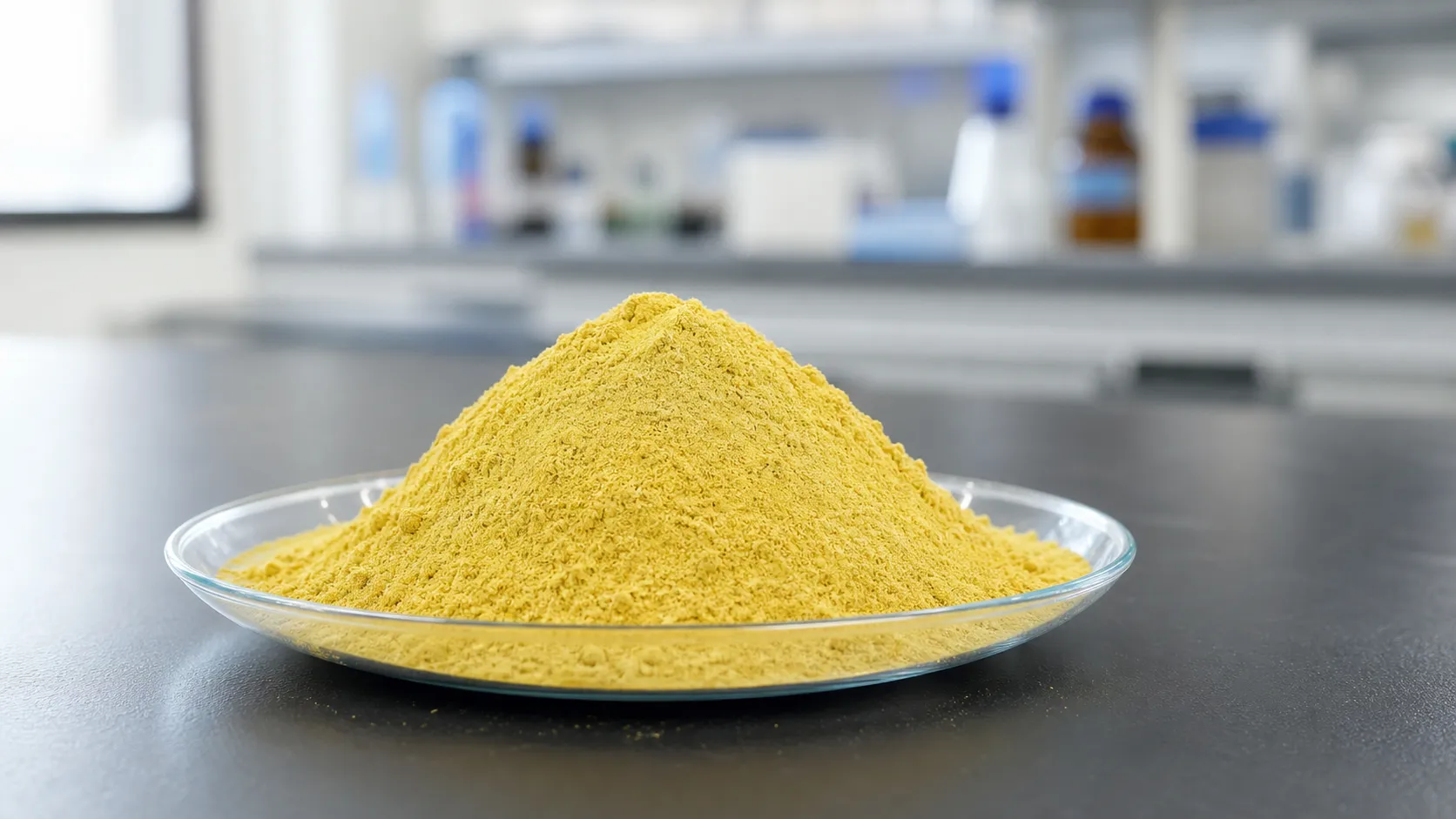
| Appearance | White granular powder / Liquid emulsion | Rapid dissolving without clumping |
| Charge Type | Anionic, Cationic, Non-Ionic, Amphoteric | Exact matching for wastewater charge neutralization |
| Molecular Weight | 3 Million – 22 Million Daltons | Controls settling speed and floc size |
| Ionic Degree | 5% – 80% | Dictates charge attraction strength |
| Active Content | ≥ 88% (Powder) / 30%–50% (Emulsion) | High-strength performance with minimal dosage |
| Solubility | Complete dissolution in 45–60 mins | Prevents dosing pump blockages |
| Residual Monomer | ≤ 0.05% (Industrial) / ≤ 0.02% (Potable) | Meets global environmental and safety standards |
| pH Range | 1.0 – 14.0 (Grade specific) | Stable performance in extreme acidic or alkaline systems |
| Packaging | 25kg PE/paper bags, 750kg/1000kg FIBC jumbo bags | Moisture-proof protection for long-distance export |
Core Spec Highlights for Technical Procurement
- High Molecular Weight Polyacrylamide: Reaches up to 22 million Daltons to maximize bridging capacity in industrial flocculant chemical processes.
- Targeted Charge Density: Allows precise customization for municipal sludge dewatering agent applications, reducing overall chemical consumption.
- Low Residual Monomer: Strictly controlled below 0.05% to protect system safety and comply with environmental discharge regulations.
- Traceable Product Codes: Every batch maps directly to a verified COA and TDS for reliable lot-to-lot consistency.
How Polyacrylamide Works
When treating industrial wastewater or managing sludge, getting solid particles to separate from water quickly is the main objective. Polyacrylamide acts as a high-performance water treatment polymer that accelerates this separation through specific chemical and physical interactions. Here is how our PAM flocculant transforms cloudy, particle-heavy water into clear liquid.
Flocculation Mechanism: Charge Neutralization and Bridging
The primary process relies on two core actions working together:
- Charge Neutralization: Suspended particles in wastewater usually carry negative surface charges, which cause them to repel one another and stay suspended. Our ionic polyacrylamide introduces opposite charges to neutralize these surface forces, allowing the particles to come together.
- Bridging Effect: Once charges are neutralized, the long polymer chains of high molecular weight polyacrylamide bind to multiple suspended particles simultaneously. This forms a physical "bridge" between particles, gathering fine solids into large, visible aggregates called flocs.
Suspension Settling and Dewatering Performance
Rapid solid-liquid separation requires both speed and structural density in floc formation:
- Accelerated Suspension Settling: Fine particles can take days to settle on their own. Once aggregated into dense flocs by our industrial flocculant chemical, gravity pulls them down rapidly, drastically shortening clarification cycles.
- Superior Dewatering Performance: For sludge management, our sludge dewatering agent binds the solid matrix tightly while releasing trapped water. This yields drier sludge cake, lowers disposal costs, and optimizes filter press efficiency.
Why Molecular Weight and Charge Density Matter
Selecting the ideal polyacrylamide powder grade depends entirely on balancing molecular weight (chain length) and charge density (ionic strength).
| Parameter | Function | Operational Impact |
|---|---|---|
| High Molecular Weight | Provides longer polymer chains for bridging | Creates larger flocs and speeds up gravity settling |
| Low to Medium Molecular Weight | Penetrates dense sludge matrices easily | Ideal for low-viscosity applications and fine filter media |
| High Charge Density | Maximizes charge neutralization capacity | Essential for high-solids or high-turbidity wastewater |
| Low Charge Density | Minimizes polymer consumption when bridging dominates | Best for dilute suspensions requiring long-chain bridging |
At Greenlano, we precise-match molecular weight and charge density to your specific water conditions, ensuring maximum separation performance at the lowest operational dosage.
Main Applications of Polyacrylamide
We supply tailored polyacrylamide products designed to handle tough solid-liquid separation challenges across diverse global sectors. As a high-performance water treatment polymer and industrial flocculant chemical, PAM optimizes processing speeds, lowers operational costs, and simplifies waste management.
Water Treatment and Sludge Dewatering
In municipal and industrial facilities, our PAM flocculant line speeds up clarification and reduces disposal volumes:
- Municipal Wastewater: Achieves rapid settling of organic suspended solids during primary clarification.
- Industrial Wastewater: Treats complex, high-turbidity effluents from chemical, food processing, and manufacturing plants.
- Primary Clarification: Works as a fast-acting wastewater flocculant to yield clear overflow water.
- Sludge Thickening & Dewatering: High-charge cationic polyacrylamide acts as an efficient sludge dewatering agent, drastically reducing moisture content in belt filter presses and centrifuges.
Mining and Mineral Processing
Mining operations depend on high-volume liquid-solid separation to recycle process water and comply with environmental standards:
- Tailings Treatment: Speeds up gravity settling in thickeners to quickly clarify process water for immediate reuse.
- Solid-Liquid Separation: Enhances filtration and centrifugation rates for precious metal and coal recovery.
- Waste Slurry Clarification: Uses anionic polyacrylamide to clean thick waste slurry, preventing reservoir buildup.
Oilfield and Enhanced Oil Recovery (EOR)
We engineer specialized polyacrylamide for oil recovery built to withstand severe temperature and shear conditions:
- Flooding Agent: Enhances sweep efficiency in mature reservoirs during secondary and tertiary recovery.
- Viscosity Control: High molecular weight polyacrylamide increases the viscosity of injected water to push trapped crude toward production wells.
- Mobility Improvement: Lowers the mobility ratio between water and crude, reducing water channeling and boosting output.
Paper Making Industry
Our polyacrylamide for paper making optimizes wet-end chemistry and boosts paper machine output:
- Retention Aid: Binds fine fibers and mineral fillers to the sheet, reducing raw material loss in white water.
- Drainage Aid: Accelerates water removal on the wire mesh, saving significant energy during drying.
- Strength Improvement: Enhances dry strength parameters for containerboard, specialty papers, and tissue.
Agriculture and Soil Stabilization
- Soil Erosion Control: Prevents topsoil loss on agricultural lands, slopes, and construction sites by binding fine surface particles.
- Irrigation Water Management: Increases soil water retention and minimizes seepage losses in irrigation furrows.
Specialized Industrial Applications
| Industry | Primary Role | Key Process Benefit |
|---|---|---|
| Textile | Warp sizing & effluent treatment | Improves yarn strength and removes residual dyes from wash water |
| Sugar Refining | Juice clarification | Speeds up sugar juice mud settling in cane and beet processing |
| Construction | Piling mud & tunneling slurry | Stabilizes boreholes and clarifies bentonite slurries |
| Metal Processing | Wastewater clarification | Removes suspended solids and precipitates heavy metal hydroxides |
How to Choose the Right Polyacrylamide Grade
Selecting the optimal polyacrylamide grade directly impacts treatment efficiency, operational costs, and dewatering performance. We evaluate five core parameters to match the right PAM flocculant to your specific process requirements.
Water Quality and Treatment Objective
- Suspended Solids Type: Heavy inorganic solids require high molecular weight anionic polyacrylamide, while organic-rich streams require cationic polyacrylamide.
- Process Goal: Clarification requires fast-settling polymers, whereas sludge filtration demands high shear resistance and dewatering capability.
Sludge Type and Solids Content
- Organic Sludge (Municipal & Biological): Responds best to cationic polyacrylamide (CPAM) as a primary sludge dewatering agent.
- Inorganic Sludge (Mining & Gravel Washing): Yields optimal separation when treated with anionic polyacrylamide (APAM).
- Solids Concentration: High-density slurries require specific molecular weight distribution to prevent viscosity overload in mixing tanks.
System pH and Ion Charge
- Acidic Environments (pH < 5): Non-ionic polyacrylamide (NPAM) or low-cationic grades retain stability where charged polymers degrade.
- Neutral to Alkaline Environments (pH 7–14): Anionic polyacrylamide maintains high charge density and rapid bridging capability.
- Surface Charge Matching: Zeta potential testing determines whether negative (anionic) or positive (cationic) polymer charges are needed for charge neutralization.
Molecular Weight and Charge Density
- Molecular Weight (MW): High MW (12–22 million) creates large flocs for rapid gravity settling; moderate MW provides superior filtration without blinding filter cloths.
- Charge Density (Ionicity): Higher ionicity (20%–60%) neutralizes dense surface charges, while lower ionicity (5%–15%) targets light suspension bridging.
Dosing System and Form Preference
- Polyacrylamide Powder: The industry standard for long-term storage, bulk shipping economy, and large-scale automated preparation systems.
- Emulsion Form: Dissolves rapidly for compact facilities, portable treatment units, or automated real-time dosing setups.
Polyacrylamide Grade Comparison Guide
| Polyacrylamide Grade | Charge Type | Typical Applications | Key Advantage |
|---|---|---|---|
| Anionic Polyacrylamide (APAM) | Negative | Mining tailings, industrial wastewater, sand washing | High molecular weight, rapid settling speed |
| Cationic Polyacrylamide (CPAM) | Positive | Municipal wastewater, sludge dewatering, paper making | Excellent charge neutralization, drier sludge cake |
| Non-Ionic Polyacrylamide (NPAM) | Neutral | Acidic wastewater, soil stabilization, textile effluent | High performance in low pH and high-salt water |
Common Selection Mistakes to Avoid
- Overdosing Polymer: Excess water treatment polymer re-disperses solids, increases liquid viscosity, and clogs filter presses.
- Incomplete Dissolution: Inadequate mixing of polyacrylamide powder causes insoluble "fish-eyes," wasting active material and fouling equipment.
- Incorrect Charge Selection: Applying APAM to organic sludge results in zero flocculation; always perform benchtop jar testing prior to full-scale selection.
Product Advantages of Greenlano Polyacrylamide
As a dedicated polyacrylamide manufacturer and global supplier, we engineer high-performance polymers designed to meet demanding industrial standards. At Greenlano, we deliver consistent quality, optimized cost efficiency, and rapid technical support to keep your operations running smoothly.
Stable Batch Quality & Strict Quality Control
We maintain rigid quality assurance protocols at every stage of synthesis to eliminate process variability.
Batch-to-Batch Consistency: Automated manufacturing ensures uniform molecular weight, charge density, and dissolution speed across every shipment.
Low Residual Monomer: Stringent quality control keeps residual acrylamide levels well within safety guidelines for both industrial and municipal applications.
Strong Flocculation Performance
Our high molecular weight polyacrylamide formulations deliver rapid solid-liquid separation and superior sludge dewatering.
Faster Settling Speeds: Quickly builds large, tight flocs to accelerate primary clarification and tailings treatment.
Reduced Dosage Rates: High active content maximizes chemical efficiency, cutting your overall operational costs.
Custom Grade Support & Bulk Supply
Different wastewater streams and industrial processes demand specific chemical characteristics. We provide tailored solutions alongside scalable supply capabilities.
Custom Formulations: We adjust charge type (anionic, cationic, non-ionic, amphoteric), ionic degree, and molecular weight to match your process water parameters.
Reliable Bulk Capacity: Extensive production capacity and raw material reserves ensure steady supply for high-volume contract orders.
Export Support & Fast Procurement Response
We simplify global trade for purchasing managers through direct factory coordination and complete paperwork compliance.
Comprehensive Documentation: We provide full regulatory and technical support, including Certificate of Analysis (COA), Technical Data Sheet (TDS), and SDS/MSDS for every batch.
Fast Inquiry Turnaround: Our export team delivers fast quotations, technical selection advice, and logistics coordination to keep project schedules on track.
Quality Control and Documentation
We enforce strict quality assurance across every batch of polyacrylamide we supply. International procurement demands complete product consistency, proven performance, and full regulatory transparency. We back every shipment with comprehensive documentation and verified testing to ensure smooth customs clearance and reliable site operation.
Key Technical Documentation
- Certificate of Analysis (COA): Provided with every shipment. Our COA verifies exact batch specs, including active content, molecular weight, ionic degree, viscosity, and residual monomer levels.
- Technical Data Sheet (TDS): Outlines physical parameters, optimal dissolution methods, storage guidelines, and application recommendations for our polyacrylamide powder and liquid lines.
- Safety Data Sheet (SDS/MSDS): Formatted to global GHS standards, detailing operator handling guidelines, personal protective equipment (PPE) requirements, spill containment, and transport safety protocols.
Batch Traceability and Inspection
- Complete Batch Traceability: Every bag, drum, and pallet of PAM flocculant carries a unique batch code linking directly to raw material lots, production logs, and lab test results.
- Pre-Shipment Inspection (PSI): In-house laboratory technicians run rigorous quality checks on moisture content, dissolution rate, and packaging seals before releasing any shipment from our warehouse.
Compliance and Third-Party Support
| Assurance Area | Standards & Services Provided |
|---|---|
| Third-Party Testing Support | Full cooperation with independent testing agencies such as SGS, Intertek, or Bureau Veritas upon customer request. |
| Compliance Documentation | Complete export clearance support, including Certificate of Origin (COO), commercial invoices, packing lists, and REACH compliance data where required. |
| Global Export Standards | Fully compliant packaging and labeling tailored to destination-country chemical import regulations. |
Packaging, Storage, and Shelf Life
We supply high-grade Polyacrylamide in durable, moisture-proof packaging engineered for international transit and automated industrial dosing systems. Proper storage ensures your PAM flocculant maintains peak viscosity, charge density, and active content throughout its operational lifecycle.
Polyacrylamide Packaging Options
We offer standard bulk options as well as customized packaging tailored to your discharge equipment and logistics requirements:
| Product Form | Packaging Type | Net Weight | Loading Capacity (20' FCL) |
|---|---|---|---|
| Polyacrylamide Powder | 3-in-1 Kraft paper bag with inner PE liner | 25 kg / bag | 20–21 MT (palletized) |
| Polyacrylamide Powder | FIBC Jumbo ton bag | 750 kg / 1000 kg | 18–20 MT (palletized) |
| Emulsion / Liquid PAM | Heavy-duty plastic drum / IBC tote | 250 kg drum / 1000 kg IBC | 20–24 MT |
Customized bag printing, private labeling, shrink-wrapping, and sea-freight palletization are fully supported for bulk contract orders.
Storage Conditions & Moisture Protection
Solid polyacrylamide powder is strongly hygroscopic. It readily absorbs atmospheric moisture, which causes clumping and degrades dissolution speed.
- Climate Control: Store in a cool, dry, and well-ventilated warehouse away from direct sunlight and heat sources.
- Temperature Range: Maintain storage ambient temperatures between 5°C and 30°C. Avoid freezing conditions for emulsion grades.
- Moisture Sealing: Keep bags tightly closed until consumption. Reseal partially used bags immediately to prevent air exposure.
- Stacking Guidelines: Do not stack pallets more than 3 tiers high to prevent bottom-bag compaction and caking.
Shelf-Life Guidance
- Dry Powder PAM: 24 months from the production date in sealed original packaging.
- Emulsion / Liquid PAM: 6 to 12 months under stable, unopened storage conditions.
- Working Solution (Prepared Liquid): Use within 24 to 48 hours. Diluted aqueous solutions experience molecular chain breakdown over time, leading to loss of flocculation efficiency.
Safe Handling Recommendations
- Slip Hazard Warning: Spilled PAM flocculant becomes extremely slippery when mixed with water. Sweep up dry powder spills completely using dry methods before flushing surfaces. Treat wet spills with inert sand or absorbent material immediately.
- Personal Protective Equipment (PPE): Operators should wear dust masks (N95/FFP2), protective goggles, and chemical-resistant nitrile gloves during unbagging and makeup operations.
- Static Control: Ensure dry powder transfer lines and mixing equipment are grounded to prevent static electricity build-up during pneumatic conveying.
Safety and Compliance Information
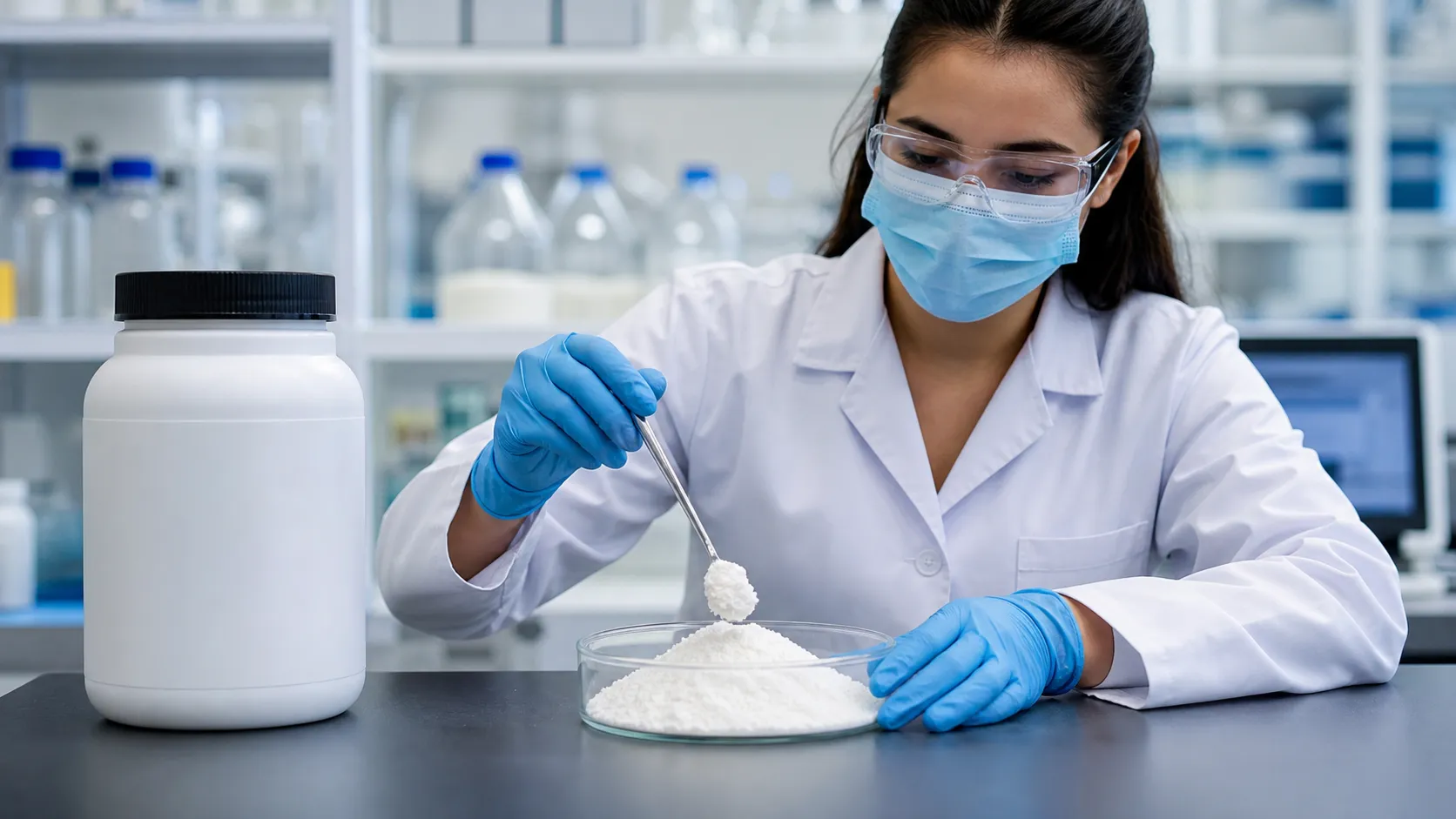
Handling Precautions & PPE Recommendations
Proper handling of polyacrylamide (PAM flocculant) ensures operator safety and prevents common workplace hazards.
- Personal Protective Equipment (PPE): Operators should wear safety goggles, dust respirators (for polyacrylamide powder handling), chemical-resistant gloves, and standard protective workwear.
- Dust Control: Maintain local exhaust ventilation in mixing areas to prevent airborne dust accumulation.
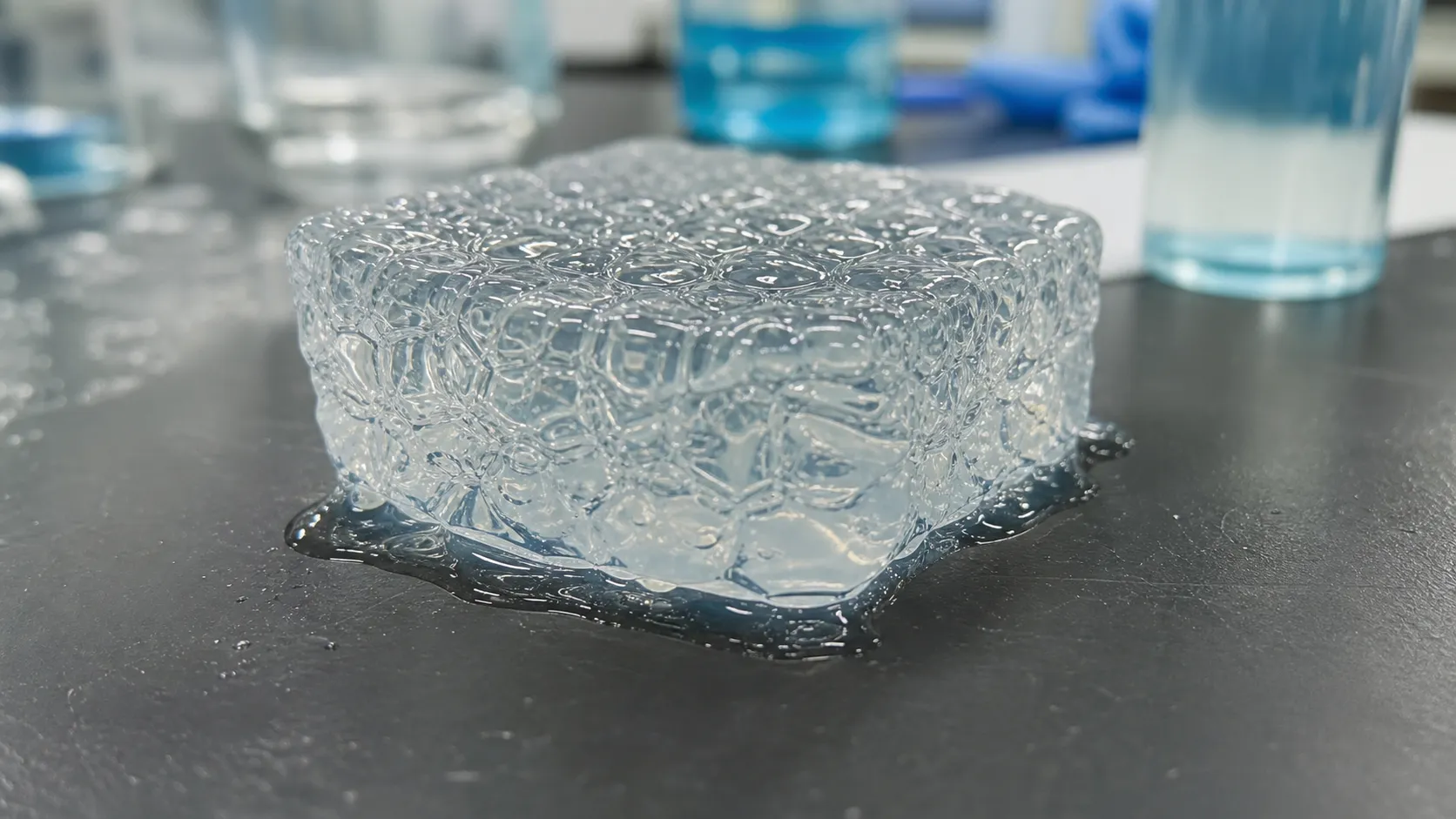
- Slip Prevention: Polyacrylamide forms extremely slippery gels when wet. Sweep or vacuum dry spills immediately before applying water or absorbent materials to surfaces.
Residual Acrylamide Considerations
While high molecular weight polyacrylamide (CAS 9003-05-8) is non-toxic, trace amounts of unreacted monomer (acrylamide) require strict control.
- Strict Limit Controls: We control residual monomer levels to meet international regulatory standards, keeping industrial grades below 0.05%.
- Batch Verification: Our quality assurance protocols test every batch to ensure monomer content strictly aligns with safety guidelines for industrial and municipal operations.
Transport and Warehouse Precautions
Proper storage preserves product integrity and maintains safety standard compliance.
- Warehouse Conditions: Store bags or drums in a dry, cool, well-ventilated area away from direct heat, open flames, and moisture.
- Packaging Integrity: Keep containers tightly sealed until use to prevent clumping from ambient humidity.
- Shipping Classification: PAM is classified as a non-hazardous industrial flocculant chemical for ocean, air, and road transport, simplifying global logistics.
Regulatory Document Support
We provide a full compliance package with every shipment to streamline your local clearance and site safety audits:
- Safety Data Sheets (SDS/MSDS): GHS-compliant documents updated to current global standards.
- Certificates of Analysis (COA) & TDS: Batch-specific technical specifications and test results.
- Export & Environmental Declarations: Full regulatory documentation support, including REACH compliance details for international procurement.
Why Buy Polyacrylamide from Greenlano
Selecting the right polyacrylamide supplier is critical for maintaining operational efficiency and budget control. As a primary polyacrylamide manufacturer, we provide high-performance PAM flocculant solutions direct from our facilities to your global operations.
Direct Factory Supply and Competitive Bulk Pricing
We eliminate distributor markups by shipping directly from our manufacturing facilities.
- Direct Pricing: Access tier-one factory rates for all polyacrylamide powder and emulsion products.
- Bulk Supply Capacity: Large-scale manufacturing lines handle high-volume orders without supply chain disruptions.
- Batch Consistency: Full in-house quality control guarantees precise molecular weight and charge density across every production batch.
Customized Technical Solution Support
Different wastewater streams require tailored chemistry. We optimize the product to fit your exact treatment process.
- Tailored Formulations: We adjust charge type, ionic degree, and viscosity to match your specific water quality.
- Lab-Tested Performance: Send us your slurry or wastewater samples for jar testing to select the ideal water treatment polymer.
- Dosage Optimization: Our engineers assist in calibrating your dosing system to prevent overfeeding and cut operating expenses.
Reliable Export Process and Fast Quotations
We make international chemical procurement straightforward, transparent, and fast.
- Responsive Service: Get complete pricing, technical datasheets, and lead times within 24 hours of inquiry.
- Export-Ready Documentation: Every shipment includes comprehensive COA, TDS, SDS, and compliance records.
- Protective Packaging: Standardized moisture-proof bags, drums, and tote containers protect your chemical inventory during ocean transit.
Greenlano Partnership Summary
| Service Feature | Greenlano Standard | Procurement Advantage |
|---|---|---|
| Supply Source | Direct polyacrylamide manufacturer | Maximize profit margins with factory-direct pricing |
| Technical Support | Custom grade tailoring & lab testing | High flocculation efficiency with minimal chemical consumption |
| Quality Control | Strict batch testing and full traceability | Zero downtime caused by variable product quality |
| Global Shipping | Complete international regulatory documentation | Fast, compliant customs clearance worldwide |
Long-Term Supply Partnership Advantages
We build long-term commercial relationships through reliable inventory reservation, priority production queueing, and dedicated account management. Partner with Greenlano to secure a continuous, cost-effective supply of premium industrial flocculant chemical solutions tailored to your operational needs.
Frequently Asked Questions
What is polyacrylamide used for?
Polyacrylamide (PAM) is primarily used as a water treatment polymer and industrial flocculant. It aggregates suspended particles in liquids to accelerate solid-liquid separation. Main applications include municipal wastewater treatment, sludge dewatering, mining tailings clarification, paper retention, and enhanced oil recovery.
Is polyacrylamide the same as PAM?
Yes. PAM is the standard industrial abbreviation for polyacrylamide. The terms are interchangeable in commercial procurement and technical specifications.
Which type is best for wastewater treatment?
Selection depends on effluent charge and organic content:
Anionic Polyacrylamide (APAM): Best for inorganic wastewater, mineral processing, and neutral-to-alkaline streams.
Cationic Polyacrylamide (CPAM): Best for high-organic sludge and municipal wastewater treatment.
Non-Ionic Polyacrylamide (NPAM): Best for acidic wastewater or complex chemical streams.
What is the difference between anionic and cationic polyacrylamide?
| Feature | Anionic Polyacrylamide (APAM) | Cationic Polyacrylamide (CPAM) |
|---|---|---|
| Charge Type | Negative charge | Positive charge |
| Primary Target | Inorganic solids, minerals, sand | Organic matter, biological sludge |
| Key Function | Bridging and flocculation | Charge neutralization and dewatering |
| Typical Sectors | Mining, EOR, industrial clarification | Municipal wastewater, sludge dewatering |
How do I choose the right molecular weight?
Match the molecular weight (MW) to your physical separation equipment and application goals:
High Molecular Weight (12M–22M): Delivers superior bridging for rapid settling, clear supernatant, and oilfield viscosity control.
Low to Medium Molecular Weight (3M–10M): Prevents shear degradation in high-speed centrifugal systems and works well for paper drainage and dispersion applications.
What documents can Greenlano provide?
We supply complete technical and compliance documentation for seamless export clearance, including:
Certificate of Analysis (COA) for every shipment batch
Technical Data Sheet (TDS) with precise application guidelines
Safety Data Sheet (SDS/MSDS) aligned with global standards
Third-party test reports (SGS/BV available upon request)
Customs and export compliance certificates
Can you support bulk orders and custom packaging?
Yes. We support direct factory supply for high-volume orders with flexible packaging options:
Standard: 25 kg moisture-proof craft paper bags
Bulk: 750 kg to 900 kg reinforced jumbo bags
Custom: OEM labeling, palletization, and custom barrier liners for specialized storage requirements