Formula details
Product Details
Overview
Polymeric Aluminum Chloride Overview
What Is Polymeric Aluminum Chloride?
We supply high-purity Polymeric Aluminum Chloride (commonly referred to as PAC or Polyaluminum Chloride), an advanced inorganic polymer coagulant designed for heavy-duty clarification. PAC functions by rapidly neutralizing electrical charges on suspended particles, accelerating colloid destabilization and creating dense flocs for fast separation.
| Parameter | Product Details |
|---|---|
| Product Name | Polymeric Aluminum Chloride (PAC) |
| Chemical Description | Aln(OH)mCl3n-m |
| CAS Number | 1327-41-9 |
| Product Category | Inorganic Polymer Coagulant |
| Primary Physical Forms | High-purity powder and concentrated liquid |
Why Use PAC for Water Treatment?
Our Polymeric Aluminum Chloride provides distinct economic and chemical operational benefits over conventional raw water coagulants:
- Fast Sedimentation Rate: Generates large, dense flocs rapidly, increasing settling velocity and overall clarifier throughput.
- Comprehensive Impurity Removal: Delivers high removal rates for turbidity, organic color, suspended solids, colloidal matter, and phosphorus.
- Reduced Chemical Usage: Operates at significantly lower dosage levels than traditional aluminum sulfate, directly lowering operational costs.
- Broad Operating pH Adaptability: Maintains high coagulation efficiency across wide raw water pH ranges with minimal alkalinity loss.
- Minimal Sludge Volume: Produces compact, easily dewatered sludge, cutting total handling, transport, and disposal expenses.
- Efficient Logistics: High active content lowers total bulk transport and chemical storage footprints.
| Performance Indicator | Polymeric Aluminum Chloride (PAC) | Conventional Aluminum Sulfate |
|---|---|---|
| Floc Formation Speed | Ultra-fast, high density | Moderate |
| Dosage Requirement | Low to moderate | High volume |
| pH Adaptability | Broad operating range | Narrow operating window |
| Sludge Volume | Reduced sludge volume | High sludge volume |
Polymeric Aluminum Chloride Grades and Forms
We manufacture and supply Polymeric Aluminum Chloride in multiple grades and physical forms to meet specific raw water conditions, strict discharge limits, and budget requirements.
PAC Grade Selection Guide
Evaluating key technical metrics helps match the optimal PAC coagulant to your dosing system and process requirements:
| Grade / Form | Physical Appearance | Al2O3 Content | Basicity | Iron Content | Insoluble Matter | Packaging Options |
|---|---|---|---|---|---|---|
| White High-Purity PAC | Fine white powder | ≥ 30% | 40% – 60% | ≤ 0.005% | ≤ 0.1% | 25 kg bags, jumbo bags |
| Drinking Water Grade | Light-yellow powder | 29% – 30% | 50% – 85% | ≤ 0.3% | ≤ 0.3% | 25 kg bags, jumbo bags |
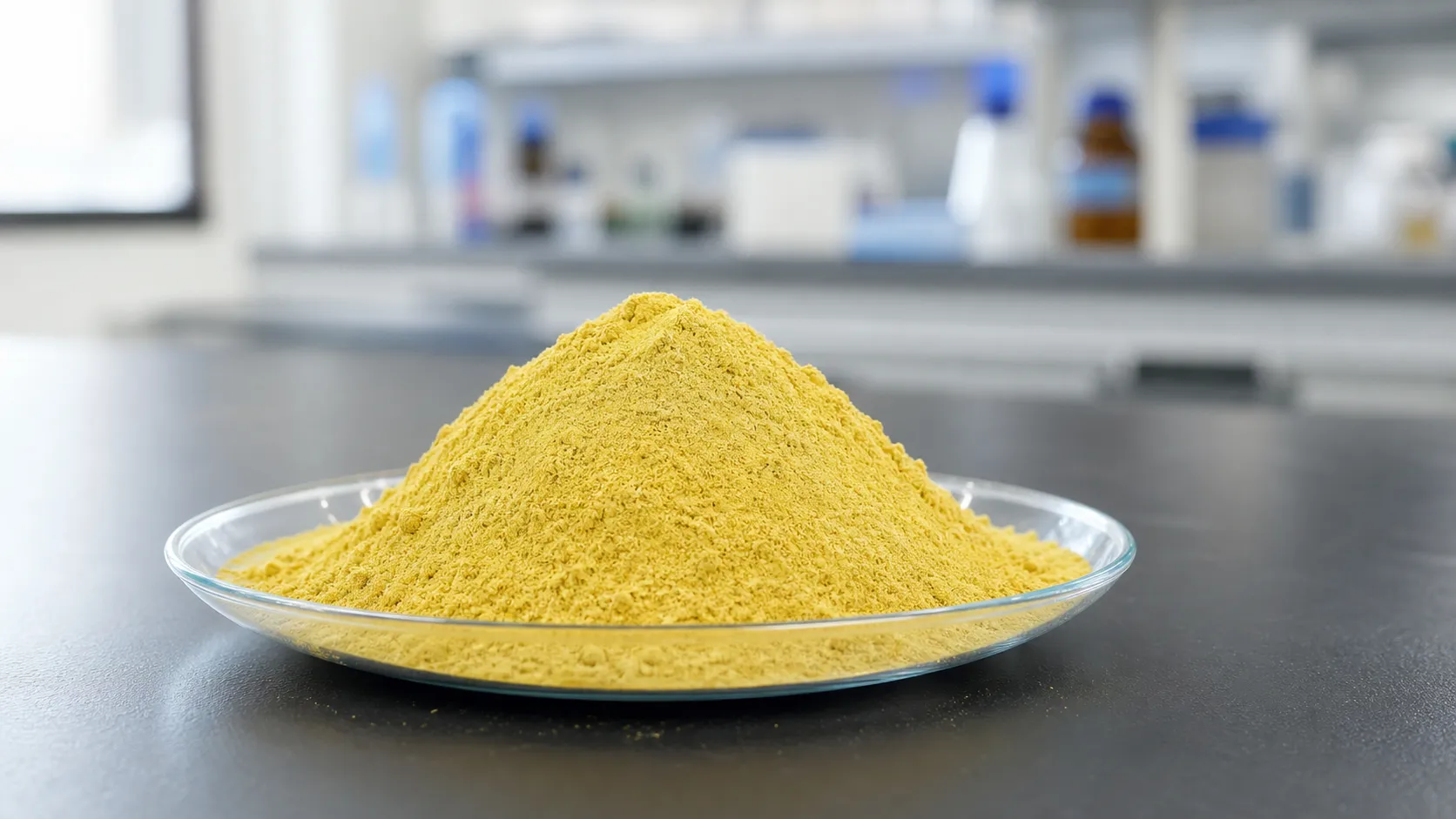
| Industrial Wastewater Grade | Yellow to dark yellow powder | 26% – 28% | 50% – 90% | ≤ 1.0% | ≤ 1.0% | 25 kg bags, jumbo bags |
| Low-Iron PAC | Off-white / pale yellow powder | 29% – 30% | 50% – 80% | ≤ 0.1% | ≤ 0.3% | 25 kg bags, jumbo bags |
| Liquid Polyaluminum Chloride | Clear to pale yellow liquid | 10% – 18% | 40% – 90% | Depends on grade | ≤ 0.2% | Drums, IBC totes, bulk tanker |
White PAC vs. Yellow PAC vs. Light-Yellow PAC
Color differences in Polyaluminum Chloride directly reflect raw material purity, iron content, and manufacturing methods. Selecting the proper shade ensures optimal clarification performance and prevents equipment clogging or product contamination:
- White PAC Powder: Produced via spray drying using high-purity aluminum hydroxide and synthetic hydro-chloric acid. Features extremely low iron content (< 0.005%). Ideal for drinking water grade PAC applications, paper sizing, pharmaceuticals, cosmetics, and specialty chemical processes where color and iron contamination are strictly prohibited.
- Light-Yellow PAC: Formulated specifically for municipal drinking water facilities and raw water clarification. Delivers high Al2O3 concentration (29%–30%) with low water-insoluble residues to protect liquid dosing pumps and injection nozzles.
- Yellow PAC Powder: A cost-effective solution tailored for industrial grade PAC applications. Highly effective for industrial wastewater treatment, textile effluent, and municipal sewage plants where higher iron limits are tolerated and rapid floc sedimentation is required at lower operational costs.
Technical Specifications for Polymeric Aluminum Chloride
We provide standard and customized grades of Polymeric Aluminum Chloride engineered to meet global industrial and municipal standards.
Polymeric Aluminum Chloride Specification Table
| Parameter | Technical Specification Range |
|---|---|
| Product Name | Polymeric Aluminum Chloride (PAC) |
| CAS Number | 1327-41-9 |
| Chemical Formula | Aln(OH)mCl3n-m |
| Appearance | White, light yellow, or dark yellow |
| Physical Form | Powder or Liquid |
| Al2O3 Content | 26% – 30% (Powder), 10% – 14% (Liquid) |
| Basicity | 40% – 90% |
| pH (1% aqueous solution) | 3.5 – 5.0 |
| Water-Insoluble Matter | ≤ 0.1% (Drinking Water Grade) to ≤ 0.5% (Industrial Grade) |
| Iron (Fe) Content | ≤ 0.005% (White High-Purity) to ≤ 2.0% (Industrial Wastewater Grade) |
| Density (Liquid) | ~1.19 – 1.25 g/cm³ (at 20°C) |
| Solubility | Readily soluble in water |
| Shelf Life | 24 months (Powder), 6 months (Liquid) |
| Storage Conditions | Cool, dry, well-ventilated area away from direct moisture and corrosion |
Typical Specification Ranges
We adjust key parameter ratios during synthesis to balance flocculation speed, charge neutralization, and sludge volume for your facility:
- Al2O3 Content: Our polyaluminium chloride powder typically contains 26% to 30% active alumina content. High-purity drinking water grade PAC strictly meets or exceeds the 29% to 30% active concentration requirement.
- Basicity Control: Maintained between 40% and 90%, higher basicity accelerates floc formation and reduces overall alkalinity consumption in treated water.
- Iron and Insoluble Matter: White PAC powder utilizes high-purity raw materials to keep iron content ≤ 0.005%, ideal for papermaking and potable water. Standard yellow PAC powder for industrial grade PAC applications allows higher iron limits to provide cost-effective coagulation for heavy effluent.
Applications of Polymeric Aluminum Chloride
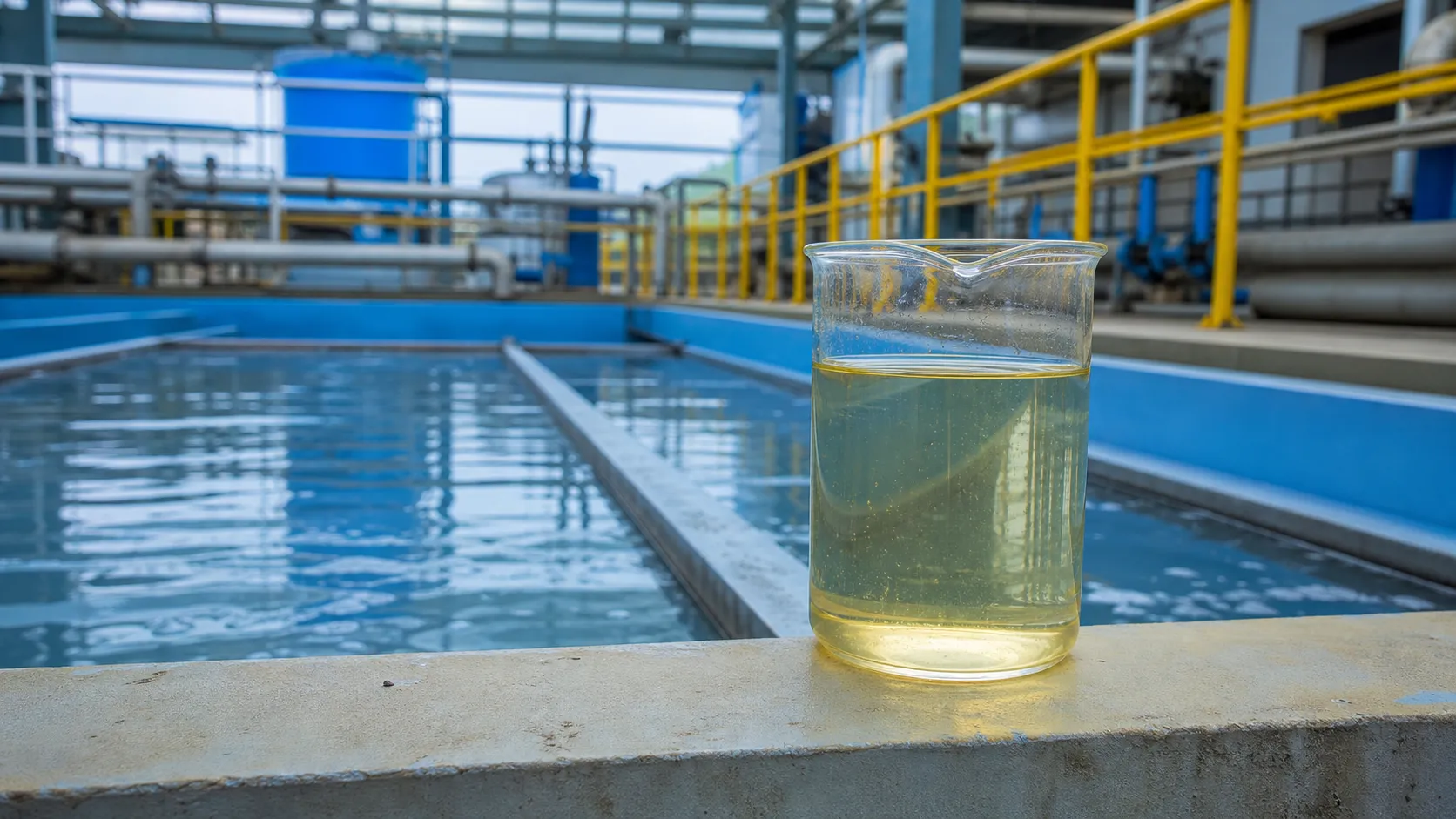
We supply Polymeric Aluminum Chloride (PAC) to drive efficient liquid-solid separation across municipal and industrial operations worldwide. Thanks to high charge density and rapid floc formation, our PAC coagulant delivers reliable performance across broad pH ranges and varying raw water conditions.
Drinking Water and Raw Water Clarification
Our high-purity drinking water grade PAC quickly clarifies raw water sources to meet strict municipal safety standards:
Turbidity Reduction: Swiftly binds fine silt, clay, and colloidal particles for rapid settling.
Organic Matter Removal: Captures Natural Organic Matter (NOM), humic substances, and color-causing compounds.
Raw Water Versatility: Delivers stable clarification for river, lake, reservoir, and groundwater treatment, even during seasonal turbidity spikes.
Municipal Wastewater Treatment
In municipal sewage facilities, Polyaluminum Chloride optimizes plant capacity while reducing overall operating costs:
Primary Clarification: Accelerates suspended solids removal in primary clarifiers to lighten biological treatment loads.
Phosphorus Removal: Efficiently precipitates soluble phosphates to ensure regulatory discharge compliance.
Sludge Conditioning: Improves sludge dewatering efficiency, helping plants produce drier sludge cakes and cut disposal fees.
Industrial Wastewater Treatment
Demanding industrial effluent requires robust chemical treatment. Our industrial grade PAC neutralizes complex wastewater streams across key manufacturing sectors:
Textile & Dyeing: Decolorizes dye bath effluent and removes suspended organic contaminants.
Chemical & Mining: Precipitates heavy metals, neutralizes acidic wastewater, and settles fine mineral tailings.
Oilfield & Petrochemical: Assists in breaking oil-in-water emulsions and clarifying oily wastewater.
Electroplating & Leather: Removes heavy metal ions, sulfides, and complex suspended matter.
Food & Beverage: Settles high-organic wastewater, suspended solids, and fats.
Paper, Pulp, and Industrial Uses
Beyond conventional water clarification, Polymeric Aluminum Chloride acts as a high-performance process aid in specialty manufacturing:
Paper Sizing & Retention: Functions as an effective sizing agent and retention support in papermaking, improving sheet strength and process speeds.
Process Water Recycling: Clarifies white water and process loops for safe in-plant reuse.
Industrial Sludge Dewatering: Pairs effectively with organic polymers to speed up mechanical dewatering in belt presses and centrifuges.
Performance Advantages of Polymeric Aluminum Chloride
Why Choose Polymeric Aluminum Chloride?
Polymeric Aluminum Chloride delivers superior clarification efficiency across industrial and municipal water treatment plants. Compared to traditional monomeric coagulants, our high-purity PAC coagulant speeds up reaction times and reduces total operational expenses.
- Rapid Flocculation: Pre-hydrolyzed polymeric structure accelerates floc formation and speeds up sedimentation.
- Lower Dosage Requirements: Achieves target water clarity with up to 30%–50% lower dosage compared to standard aluminum sulfate.
- Broad pH Adaptability: Operates efficiently across a wider pH range (typically 5.0 to 9.0), minimizing the need for pH-adjusting chemicals.
- Reduced Sludge Volume: Produces compact, higher-density sludge, cutting dewatering costs and disposal volume.
- System Compatibility: Dissolves completely and feeds smoothly through automated liquid chemical dosing systems without clogging lines or metering pumps.
PAC Compared With Aluminum Sulfate and Ferric Coagulants
Selecting the right coagulant directly impacts system performance, chemical consumption, and maintenance frequency. The table below highlights how Polymeric Aluminum Chloride compares to conventional coagulants:
| Performance Parameter | Polymeric Aluminum Chloride (PAC) | Aluminum Sulfate (Alum) | Ferric Coagulants |
|---|---|---|---|
| Coagulation Speed | Very fast floc formation | Moderate floc formation | Fast floc formation |
| Dosage Efficiency | High (lower required dose) | Moderate (higher required dose) | Moderate to High |
| pH Flexibility | Broad range (5.0 – 9.0) | Narrow range (6.0 – 7.5) | Broad range (4.0 – 11.0) |
| Sludge Volume | Low, dense, easy to dewater | High, bulky, high water content | Moderate to High |
| Corrosiveness | Low to Moderate | Moderate | High (corrodes equipment) |
| Color Impact | None; clarifies clear | None | Can cause reddish-brown staining |
| Total Cost Impact | Lowest overall operating cost | Higher dosage & sludge costs | Higher equipment maintenance costs |
Dosage and Application Guidance for Polymeric Aluminum Chloride
Proper preparation and accurate dosing ensure you get maximum performance and cost efficiency from our Polymeric Aluminum Chloride in any treatment setup.
How to Prepare and Feed Polymeric Aluminum Chloride
To achieve quick flocculation and clear separation, follow these standard dilution and dosing guidelines:
- Polyaluminium Chloride Powder Dissolution: Dissolve the solid powder in clean water to make a 5% to 10% aqueous solution (by weight) prior to application. Stir continuously until the solution is uniform.
- Liquid Polyaluminum Chloride Feed: Dosing can be done directly from the storage vessel or diluted slightly to match the stroke capability of your metering equipment.
- Dosing Location: Inject the PAC solution directly into the rapid-mixing zone (flash mixer) using calibrated, corrosion-resistant dosing pumps to ensure instantaneous dispersion across the stream.
Determining the Recommended PAC Dosage
Because water parameters shift seasonally, exact feed rates depend on real-time water conditions. We always advise conducting a jar test prior to full-scale dosing to determine the optimal dosage point.
- Drinking Water Clarification: Typically 5 mg/L to 30 mg/L (ppm) of prepared solution, depending on raw water turbidity and color.
- Industrial Wastewater Treatment: Typically 20 mg/L to 100+ mg/L (ppm), depending on suspended solids, COD load, and target phosphorus levels.
Key Factors Impacting PAC Coagulant Performance
| Factor | Operating Impact & Guidance |
|---|---|
| Initial Water pH | Maintains strong performance across a wide pH range (5.0–9.0), requiring significantly less alkalinity adjustment than traditional alum. |
| Turbidity & Suspended Solids | High-turbidity water provides faster particle collision rates, accelerating initial micro-floc aggregation. |
| Water Temperature | Demonstrates superior coagulation speed in low-temperature and cold winter waters compared to monomeric aluminum salts. |
| Mixing Energy | Requires intense rapid mixing at the point of injection, followed by gentle, low-shear agitation in the flocculation basin. |
| Organic Load (NOM/COD) | Elevated natural organic matter increases chemical demand; jar tests help prevent under-dosing or charge reversal. |
| Coagulant Aids | Combining PAC with trace amounts of polyacrylamide (PAM) flocculant can drastically increase floc size and settleability. |
Quality Assurance and Documentation for Polymeric Aluminum Chloride
Strict Batch Quality Control
We enforce rigorous testing for every production run of Polymeric Aluminum Chloride to guarantee consistent water treatment performance across all orders. Every batch of our PAC water treatment chemical undergoes laboratory analysis and complete batch traceability linked to specific lot numbers.
We verify five key parameters prior to dispatch:
- Al2O3 Content: Ensures correct active coagulant strength.
- Basicity: Confirms optimal polymer formation and flocculation efficiency.
- pH Value: Tested in a 1% aqueous solution to ensure process stability.
- Water-Insoluble Matter: Verified to prevent equipment clogging and pump wear.
- Iron (Fe) Content: Controlled strictly to meet drinking water and high-purity industrial standards.
Essential Shipping and Compliance Documents
Clear technical documentation speeds up customs clearance and simplifies local plant compliance. We provide a full set of quality and shipping documents with every dispatch of Polyaluminum Chloride.
| Required Document | Operational Purpose |
|---|---|
| Certificate of Analysis (COA) | Confirms exact batch-specific test results for Al2O3, basicity, pH, and purity levels. |
| Technical Data Sheet (TDS) | Provides operational guidelines, product properties, and dosing specifications. |
| Safety Data Sheet (SDS / MSDS) | Updated PAC COA MSDS files following GHS standards for safe handling and storage. |
| Commercial & Shipping Papers | Commercial Invoice, Packing List, and Bill of Lading (BL) for global customs processing. |
| Certificate of Origin (COO) | Issued according to regional trade agreements to minimize import tariffs. |
| Third-Party Inspection | Optional SGS, BV, or Intertek pre-shipment testing reports provided upon request. |
Global Compliance and Export Logistics
Navigating international chemical import laws requires precise administrative backing. Our team manages export documentation support, tariff classification, and destination-specific compliance needs. We work directly with global logistics partners to ensure your bulk or bagged shipments arrive fully verified, compliant, and ready for immediate deployment in your water treatment facilities.
Packaging, Storage, and Transportation
We provide flexible, secure packaging and efficient global logistics for Polymeric Aluminum Chloride to ensure safe delivery and long-term chemical stability.
Polymeric Aluminum Chloride Packaging Options
We supply polyaluminum chloride in various standard and custom packaging formats tailored for both small-scale plants and bulk industrial operations:
| Physical Form | Packaging Type | Unit Net Weight / Volume | Key Features |
|---|---|---|---|
| Polyaluminium Chloride Powder | Moisture-proof PP woven bag | 25 kg | Inner PE liner to prevent moisture absorption |
| Polyaluminium Chloride Powder | Jumbo bag (FIBC) | 500 kg / 1,000 kg | Heavy-duty discharge spout for bulk feeding |
| Liquid Polyaluminum Chloride | HDPE Drum / IBC Tote | 200 L / 1,000 L | Acid-resistant containers with secure seals |
| Liquid Polyaluminum Chloride | Bulk Tanker Truck | Direct bulk delivery | Optimized for automated, large-scale plant intake |
- Custom Labeling: OEM packaging, custom brand marks, multi-language hazard warnings, and batch tracing labels available upon request.
Storage Recommendations for PAC Coagulants
To preserve chemical reactivity, prevent caking, and extend shelf life, store PAC water treatment chemicals under the following conditions:
- Powder PAC Storage: Keep in a dry, cool, well-ventilated area away from direct sunlight and rain. Keep bags tightly sealed until use to prevent moisture pickup.
- Liquid PAC Storage: Store in corrosion-resistant tanks made of FRP, HDPE, or rubber-lined steel. Avoid storing in unlined metal tanks.
- Storage Temperature: Ideal storage temperature ranges between 5°C and 35°C. Protect liquid grades from freezing.
- Shelf Life: Typically 24 months for polyaluminium chloride powder and 6 months for liquid polyaluminum chloride under recommended storage conditions.
Global PAC Supply Chain and Export Logistics
As a trusted PAC supplier, our global logistics team manages every step of the export process to guarantee reliable, on-time delivery:
- Factory-Direct Supply: Shipped direct from production facilities for maximum cost efficiency.
- Container-Load Optimization: Expert FCL (Full Container Load) packing design to maximize payload capacity and minimize freight charges.
- Pre-Shipment Inspection: Strict weight, seal, and pallet integrity verification before dispatch.
- Complete Customs Clearance: Fully compliant export documentation, including COA, TDS, SDS/MSDS, Packing List, Commercial Invoice, and Certificate of Origin.
Why Source Polymeric Aluminum Chloride From Greenlano?
Sourcing the right Polymeric Aluminum Chloride shouldn't involve supply chain delays or quality uncertainties. At Greenlano, we streamline global chemical procurement by supplying high-performance PAC coagulant products directly from our production facilities to your port or plant.
Direct Factory Supply & Exact Grade Matching
- Procurement Efficiency: Direct factory supply cuts out intermediary markups, providing cost stability and dependable lead times for large-scale operations.
- Precise Technical Matching: We help you select the exact specifications needed—whether it is high-purity drinking water grade PAC or cost-effective industrial grade PAC for municipal and industrial wastewater.
Batch Verification & Compliance Documentation
- Complete Technical Packages: Every shipment includes full batch documentation, featuring a detailed PAC COA MSDS (Safety Data Sheet), Technical Data Sheet (TDS), and Certificate of Origin.
- Quality Assurance: We verify every batch for Al2O3 content, basicity, pH, and insoluble matter, with full support for optional third-party inspections such as SGS or Intertek.
Flexible Packaging & Global Export Support
- Tailored Packaging: Options include 25 kg moisture-resistant bags, 500 kg or 1,000 kg jumbo bags for polyaluminium chloride powder, and specialized bulk containers for liquid orders.
- Export Logistics: As a reliable PAC supplier, we handle container-load optimization, pre-shipment checks, and custom documentation to ensure seamless clearance at your destination port.
Request a Polymeric Aluminum Chloride Quote
To receive an accurate Polyaluminum Chloride price and customized proposal, share your procurement details with us. As a direct PAC supplier, we evaluate your technical specifications, packaging preferences, and shipping destination to provide competitive factory-direct pricing.
Essential Quote Parameters
Provide the following parameters when submitting your inquiry to help our technical team process your order quickly:
| Parameter | Parameter Details | Common Options & Standards |
|---|---|---|
| Contact & Port | Contact information & destination port | Business email, phone, port of discharge for CIF/CFR/FOB quotes |
| Grade & Form | Required PAC coagulant grade & form | Drinking water grade PAC, industrial grade PAC; Polyaluminium chloride powder, liquid polyaluminum chloride |
| Quality Specs | Al2O3 content & chemical requirements | 26%, 28%, or 30% Al2O3 content; white high-purity or low-iron grades |
| Quantity & Schedule | Order volume & target delivery date | Total metric tons, trial order volume, required delivery timeline |
| Packaging & Docs | Packaging choice & documentation | 25 kg moisture-proof bags, 1000 kg jumbo bags, IBC totes; PAC COA MSDS, TDS |
Key Details to Include in Your Inquiry
- Application Needs: Specify whether the material is for raw water clarification, municipal drinking water supply, or industrial effluent treatment.
- Custom Packaging: Choose from standard 25 kg woven bags, bulk jumbo bags, or custom-branded packaging for global distribution.
- Compliance Requests: Indicate if you require batch-specific PAC COA MSDS documents, pre-shipment inspections, or certificates of origin.
Frequently Asked Questions
Is Polymeric Aluminum Chloride the same as PAC?
Yes. Polymeric Aluminum Chloride, Polyaluminum Chloride, Poly Aluminium Chloride, and PAC refer to the exact same inorganic polymer coagulant chemical. The names are used interchangeably in global trade and water treatment specification documents.
What is the CAS number for Polymeric Aluminum Chloride?
The official CAS number is 1327-41-9. We verify this identifier on all chemical registration forms, shipping documents, and customs manifests to guarantee product authenticity and regulatory compliance.
Which PAC grade is best for drinking water treatment?
Potable water production requires drinking water grade PAC—typically high-purity spray-dried powder or white PAC powder.
- Al2O3 Content: ge 30%
- Iron Content: le 0.1%
- Water Insoluble Matter: le 0.3%
- Heavy Metals: Strictly within international potable water safety limits
What is the difference between white PAC and yellow PAC?
| Feature | White PAC Powder | Yellow / Light-Yellow PAC |
|---|---|---|
| Purity Level | High purity / Food grade | Industrial & municipal grade |
| Al2O3 Content | 29.5% – 30% | 28% – 30% |
| Iron Content | Ultra-low (le 0.01%) | Standard (le 0.5%) |
| Production Method | Synthetic raw materials, spray dried | Aluminum hydroxide / bauxite processing |
| Primary Uses | Drinking water, paper sizing, cosmetics | Municipal sewage, industrial wastewater |
How much PAC should be used in water treatment?
Optimal dosage depends directly on raw water turbidity, pH, temperature, and organic load.
- Typical Dosage: Ranges from 5 to 50 mg/L for liquid PAC (or 2 to 15 mg/L on a dry powder basis).
- Best Practice: We always recommend conducting a preliminary jar test on raw water samples to pinpoint the exact dosage before commercial feeding.
Can Greenlano provide samples and technical documents?
Yes. We supply global clients with sample kits for lab testing prior to bulk ordering. Every batch shipped from our facilities includes a complete technical package:
- Certificate of Analysis (COA) tailored to your specific batch
- Technical Data Sheet (TDS) outlining performance parameters
- Safety Data Sheet (SDS/MSDS) compliant with global transport regulations
- Commercial documents including Packing List, Commercial Invoice, and Certificate of Origin