Formula details
Product Details
Overview
Executive Summary & Core Value Proposition
Are you struggling with rapid slump loss, poor workability, or unpredictable concrete strength in demanding climates? We know how frustrating it is when low-grade admixtures compromise your mix design and drain your budget. That is why we engineer high-performance Polycarboxylate Superplasticizers to give you total control over flowability, water reduction, and set times—no matter the scale of your project.
Primary Product Overview
Our Polycarboxylate Superplasticizer (PCE) range represents the ultimate third-generation concrete admixture chemical. Designed as a comb-like polymer dispersant, it provides unmatched water reduction capabilities exceeding 40% while maintaining superior slump retention.
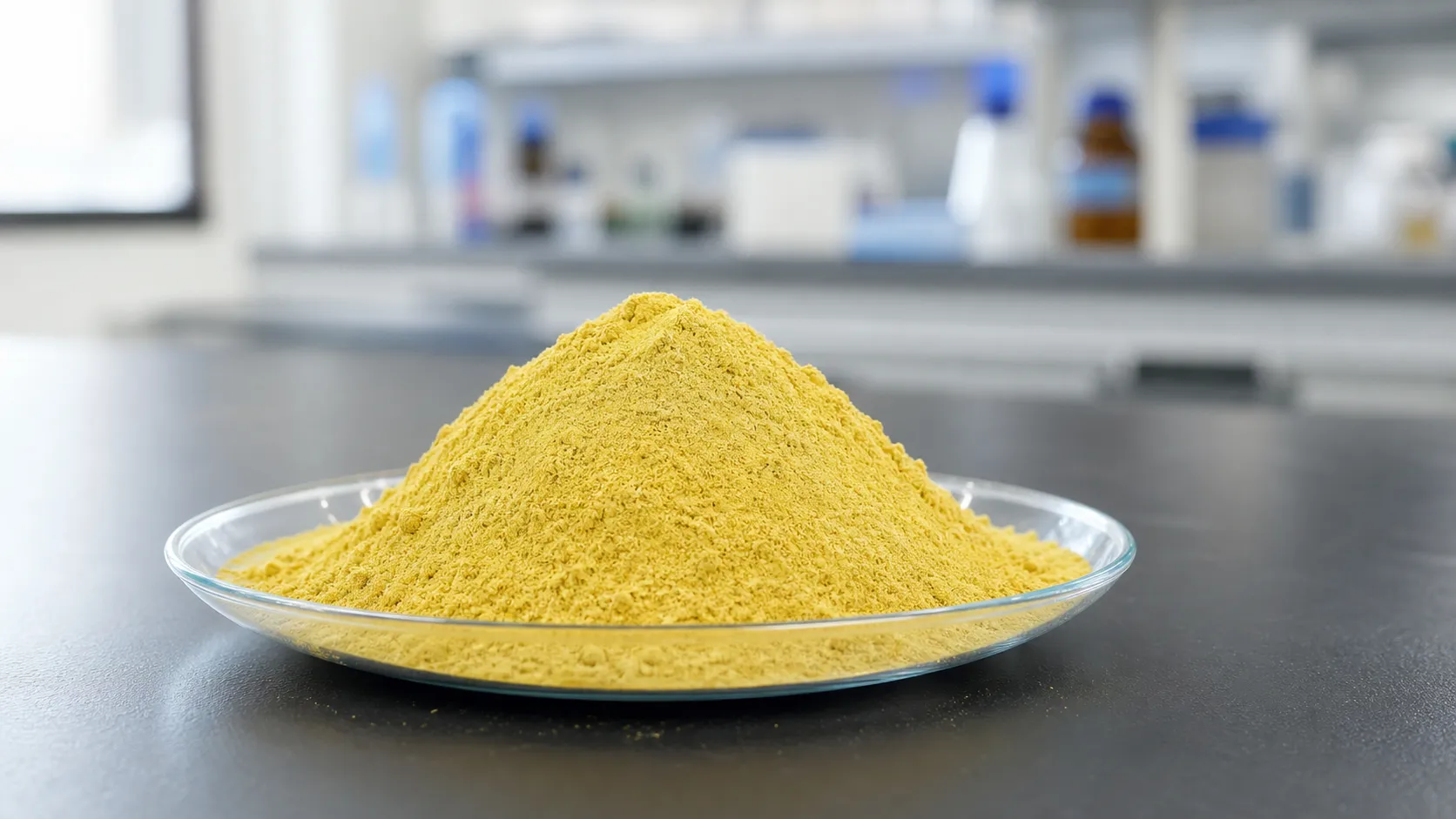
Available in both PCE liquid 50% solid content and convenient polycarboxylate superplasticizer powder (or flake form), our products serve as essential raw materials for ready-mix, precast, and specialized dry-mix formulations worldwide.
Key Commercial Advantages
- High-Range Water Reduction: Achieve extreme water cuts without sacrificing early or ultimate compressive strength.
- Extended Slump Retention: Maintain fluid consistency over long haul distances without slump loss or segregation.
- Flexible Product Formats: Choose between bulk high-concentration liquid or cost-effective powder/flake formats to optimize freight costs.
- Enhanced Cement Adaptability: Exceptional compatibility with diverse cement types, fly ash, slag, and mineral admixtures.
- Eco-Friendly & Sustainable: Zero-formaldehyde, low-dosage efficiency that drastically cuts carbon footprints and overall mix costs.
Immediate Conversion Module
| Product Form | Active Solid Content | Primary Application | Key Advantage |
|---|---|---|---|
| PCE Liquid | 50% (±1%) | Ready-Mix Concrete & Central Batching | Instant dispersion, easy direct dosing |
| PCE Powder / Flake | 98% Min. | Dry-Mix Mortars & Global Export Shipping | Maximum freight savings, extended shelf life |
Ready to upgrade your concrete performance and lower your total job-site costs? Contact us today to request free technical samples and factory-direct commercial quotes.
Technical Specifications & Polycarboxylate Superplasticizers Product Grades
We supply Polycarboxylate Superplasticizers in both liquid and powder forms to fit your exact batching setup. Our custom molecular designs optimize water reduction, early strength, and long-distance slump retention.
Product Grade Categorization
- Water-Reducing Type (PCE Liquid 50% / PCE Powder): Designed for maximum water reduction up to 40%. It boosts compressive strength and cuts cement consumption significantly.
- Slump-Retention Type: Built for long-haul concrete transit and high-ambient-temperature pouring. It keeps workability high without delaying setting times.
- High-Early-Strength Type: Engineered for precast concrete applications. Accelerates early hydration so you can strip molds faster and speed up production cycles.
Standard Industrial Specification Matrix
The table below outlines our core polycarboxylate superplasticizers specifications:
| Parameter | Liquid Grade (PCE 50%) | Powder Grade (PCE Flake / Powder) | Test Method |
|---|---|---|---|
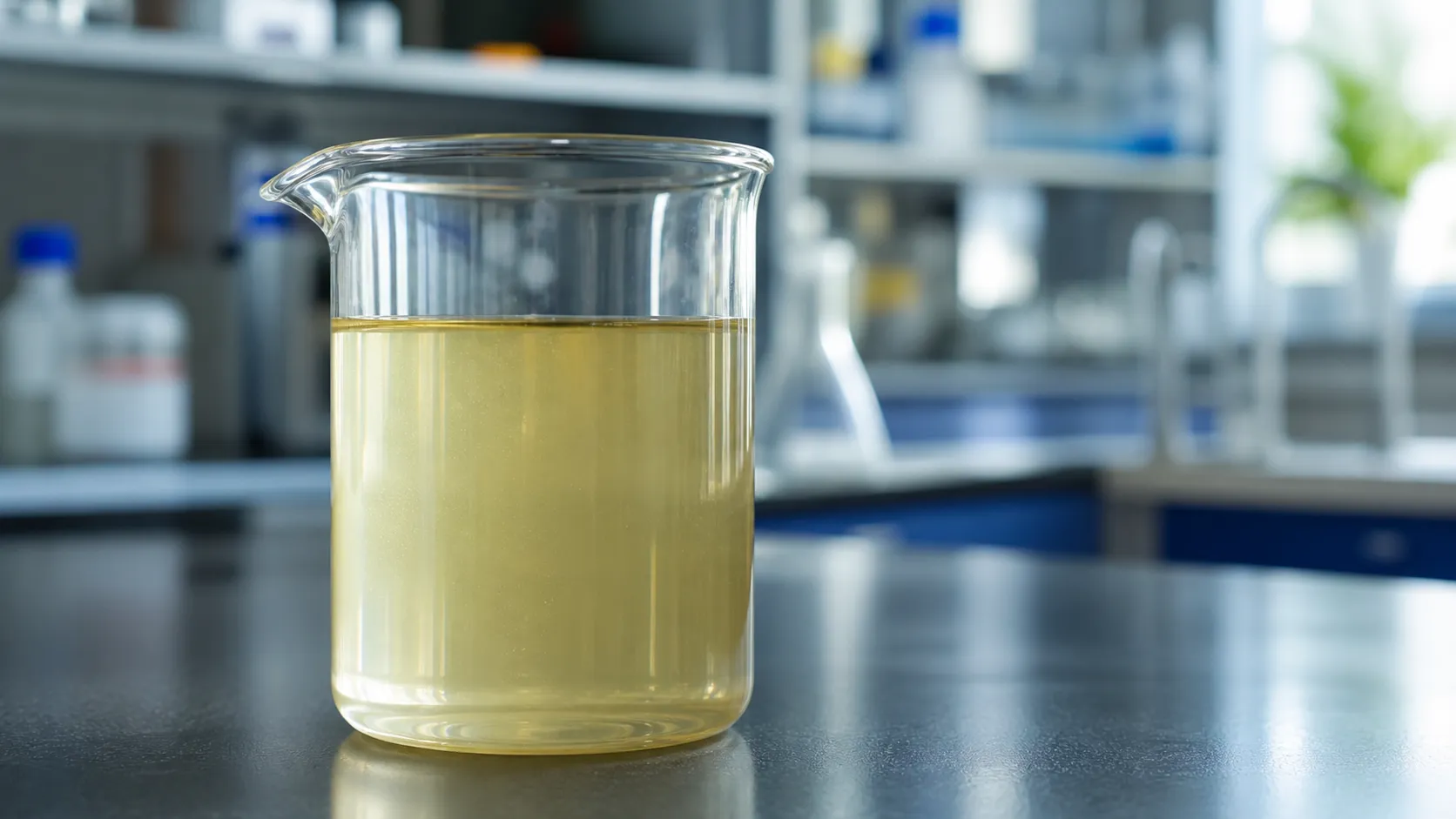
| Appearance | Colorless to pale yellow liquid | White to light yellow powder | Visual |
| Solid Content (%) | 50 ± 1.0 | $ge 98.0$ | GB/T 8077-2012 |
| pH Value (20°C) | $5.0 - 7.0$ | $6.0 - 8.0$ (5% solution) | ISO 4319 |
| Density (g/cm³) | $1.08 - 1.12$ | $0.50 - 0.60$ (Bulk Density) | ASTM C494 |
| Water Reduction Rate (%) | $ge 30$ | $ge 25$ | GB 8076-2008 |
| Cl⁻ Ion Content (%) | $le 0.02$ | $le 0.02$ | BS EN 480-10 |
| Alkali Content (% Na₂O eq) | $le 1.0$ | $le 1.0$ | ASTM C114 |
Working Mechanism: Steric Hindrance vs. Electrostatic Repulsion
When we look at Polycarboxylate Superplasticizers, their performance comes down to how they interact with cement particles on a molecular level. Traditional water reducers rely almost entirely on electrostatic repulsion, but our modern polycarboxylate ether (PCE) formulations take advantage of steric hindrance for far superior dispersion and slump retention.
Molecular Architecture
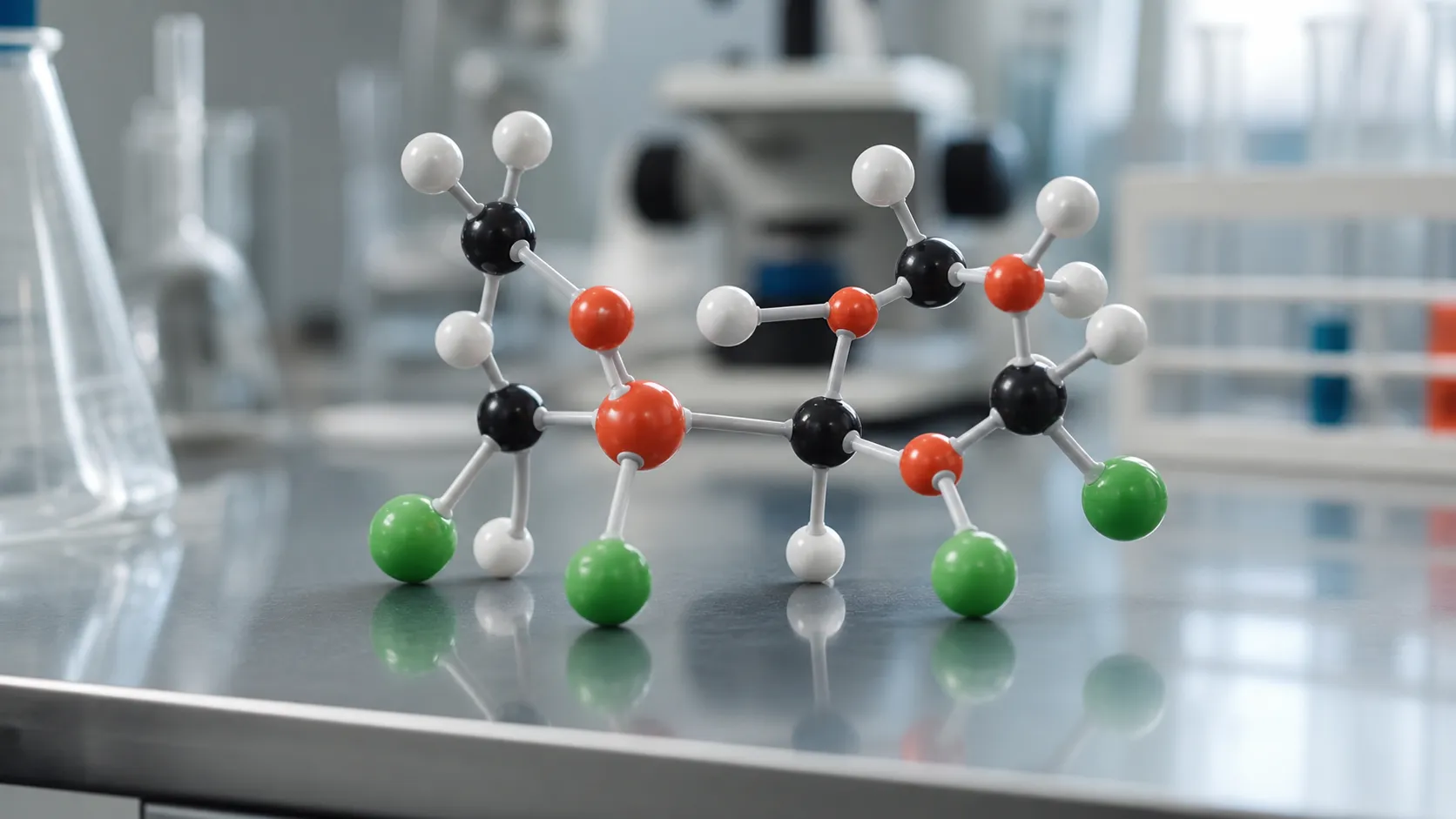
We design our Polycarboxylate Superplasticizers with a distinct comb-like polymer structure. This specialized architecture features a main backbone with appended polyether side chains:
- Hydrophilic Main Chain: Anchors firmly onto the surface of hydration-bound cement particles via charged carboxylate groups.
- Flexible Side Chains: Extend outward into the surrounding water phase, creating physical space between particles.
Mechanism Breakdown
Understanding how this concrete admixture chemical works helps explain why it outperforms legacy dispersants:
- Electrostatic Repulsion (Traditional Action): Legacy additives like naphthalene sulfonate impart a negative charge to cement particles. The particles repel each other, but this charge dissipates rapidly, leading to quick slump loss.
- Steric Hindrance (PCE Action): The long polyether side chains of the comb-like polymer physically block cement grains from clumping together. This spatial barrier remains active far longer than electrostatic charges alone.
- Combined Dispersing Effect: The synergy of initial electrostatic repulsion and sustained steric hindrance allows for extreme water reduction (often exceeding 30%) while maintaining excellent flowability.
Target Applications & Performance Impact
Different projects need different flow properties. We design our polycarboxylate superplasticizers to meet precise requirements across all major concrete and dry-mix applications, giving you maximum strength, workability, and cost efficiency.
Ready-Mix Concrete (RMC)
Long transit times and hot summer days can ruin fresh concrete before it even reaches the job site. Our polycarboxylate superplasticizer liquid keeps batch mixes highly fluid without adding extra water.
- Slump Retention: Keeps concrete workable for up to 2 to 3 hours without rapid slump loss.
- Water Reduction: Achieves 25% to 40% water reduction, significantly boosting final compressive strength.
- Pumping Efficiency: Reduces friction inside pump lines, preventing blockages over long distances and high rises.
Precast & Prestressed Concrete
Speed is everything in precast yards. You need high early strength to strip forms quickly and keep production lines moving.
- Rapid Strength Gain: Accelerates hydration so elements reach 70%+ design strength within 12 to 18 hours.
- Energy Savings: Eliminates or drastically shortens steam curing cycles, cutting energy costs.
- Flawless Finish: Enhances surface appearance by reducing air voids, bug holes, and surface defects.
Self-Consolidating Concrete (SCC) & Ultra-High-Performance Concrete (UHPC)
Dense rebar cages and complex formwork require self-leveling concrete that flows effortlessly without segregating.
- High Liquefaction: Creates self-leveling mixes that flow freely under their own weight.
- Segregation Resistance: Holds aggregates and paste together evenly, preventing bleeding and aggregate settling.
- Ultra-Low Water-Binder Ratio: Allows water-to-cement ratios to drop below 0.20 for high-density UHPC formulations.
Dry-Mix Mortars & Gypsum Formulations
For bagged products and dry-mix plant blending, we supply high-purity polycarboxylate superplasticizer powder and flake forms.
| Application | Key Performance Benefit |
|---|---|
| Self-Leveling Underlayments (SLU) | Delivers smooth, flat surfaces with fast setting times and zero cracking. |
| Tile Adhesives & Grouts | Improves wettability, open time, and bond strength on tough substrates. |
| Gypsum & Plasterboards | Cuts water demand in gypsum slurries, speeding up kiln drying times. |
Comparative Analysis: PCE vs. Traditional Superplasticizers
When you look at modern concrete formulation, switching from traditional admixtures to Polycarboxylate Superplasticizers isn't just an upgrade—it's a complete shift in performance. We designed our polycarboxylate ether (PCE) range to overcome the strict limitations of legacy products like Naphthalene Sulfonate Formaldehyde (SNF) and Melamine Sulfonate Formaldehyde (SMF).
Older generation admixtures rely solely on electrostatic repulsion, which causes rapid slump loss and limits your water reduction capabilities. Our third-generation comb-like polymers utilize steric hindrance. This structural advantage gives you vastly superior slump retention, higher early strength, and much lower dosage requirements.
Detailed Comparative Matrix
Here is how our polycarboxylate superplasticizer powder and liquid formulations stack up against traditional options:
| Performance Metric | Polycarboxylate Ether (PCE) | Naphthalene Formaldehyde (SNF) | Melamine Formaldehyde (SMF) |
|---|---|---|---|
| Water Reduction Rate | High-Range Water Reducer (30% – 45%) | Mid-Range (15% – 25%) | Mid-Range (15% – 22%) |
| Primary Mechanism | Steric Hindrance + Electrostatic Repulsion | Electrostatic Repulsion Only | Electrostatic Repulsion Only |
| Dosage Requirement | Low (0.15% – 0.5% solids by cement weight) | Medium (0.5% – 1.2%) | High (0.8% – 1.5%) |
| Slump Retention | Exceptional (Up to 2+ hours without segregation) | Poor (Rapid slump loss in 30–45 mins) | Poor (Requires immediate placement) |
| Compressive Strength Impact | High early strength and higher ultimate strength | Moderate early strength growth | Good early strength, average late strength |
| Environmental Impact | Eco-friendly, formaldehyde-free, low carbon | Contains traces of free formaldehyde | High chemical footprint |
| Formulation Flexibility | Highly customizable molecular architecture | Fixed chemical behavior | Fixed chemical behavior |
Key Takeaway: Upgrading to PCE liquid 50% solid content or PCE flake form reduces cement consumption, drastically lowers transportation costs via reduced water usage, and delivers durable, high-strength concrete across demanding applications.
Dosage Guidelines, Blending & Compatibility Protocols
Getting the most out of Polycarboxylate Superplasticizers comes down to precise dosing and proper blending sequence. Because PCE is a highly efficient third-generation superplasticizer, even small adjustments in your mix design can significantly impact slump retention and workability.
Recommended Dosage
We engineer our polycarboxylate ether formulations to work effectively across a wide range of concrete mixes. Here are the baseline guidelines for our liquid and powder products:
- Standard Dosage Range: 0.2% to 1.0% by weight of total cementitious materials (cement, fly ash, slag).
- High-Range Water Reduction: 0.5% to 0.8% yields up to 30–40% water reduction without causing segregation.
- PCE Powder Form: 0.15% to 0.5% by weight of dry binder, making it ideal for dry-mix mortars and tile adhesives.
Key Rule: Always run trial mixes with your local raw materials to pinpoint the exact dosage for your targeted slump and setting time.
Compatibility Notes
To maintain optimal performance and avoid flash setting or air entrapment, keep these blending protocols in mind:
- Addition Timing: Add the polycarboxylate superplasticizer with the mixing water or directly after the water is introduced into the mixer. Avoid pouring it onto dry aggregates or cement alone.
- Traditional Admixtures: Do not pre-mix PCE liquid directly with old-school naphthalene-based water reducers (PNS) or lignosulfonates. Doing so causes precipitation and kills performance.
- Air-Entraining Agents: PCE is compatible with most air-entraining additives, set retarders, and defoamers. However, we recommend adding each chemical separately to the batch.
- Alternative Binders: Works seamlessly with Portland cement, silica fume, GGBS, and fly ash formulations.
Quality Assurance, Packaging & Global Supply Chain
We deliver top-tier Polycarboxylate Superplasticizers to jobsites and chemical blending plants worldwide. Our global supply network ensures consistent quality, rapid shipping, and secure packaging for every order.
Greenlano Quality Control Guarantee
We test every batch of Polycarboxylate Ether (PCE) to ensure uniform performance across all applications.
- Purity & Consistency: Solid content and pH levels are verified using strict ISO quality standards.
- Performance Testing: We test concrete slump retention and water reduction rates before dispatch.
- Traceability: Every batch receives a unique tracking code for full quality transparency.
Export Packaging Options
We offer custom packaging for both PCE Liquid 50% Solid Content and Polycarboxylate Superplasticizer Powder to minimize transit costs and maximize storage efficiency.
| Product Form | Packaging Type | Net Weight per Unit | Container Load (20' FCL) |
|---|---|---|---|
| PCE Liquid (50%) | IBC Tank | 1,100 kg | 22,000 kg (20 Tanks) |
| PCE Liquid (50%) | Flexitank | 22,000 kg | 22,000 kg (1 Flexitank) |
| PCE Powder / Flake | Woven Bag with PE Liner | 25 kg | 18,000 kg (Palletized) |
| PCE Powder | Jumbo Bag | 650 kg | 15,600 kg (Palletized) |
Storage & Shelf Life
Proper storage keeps your concrete admixture chemical stable and fully effective over long periods.
- Liquid Storage: Keep liquid PCE between 5°C and 35°C (41°F - 95°F). Protect from direct sunlight and freezing temperatures.
- Powder Storage: Store dry powder in a cool, ventilated area. Keep bags sealed to avoid moisture absorption and caking.
- Shelf Life: Liquid forms remain stable for 12 months; PCE powder retains full performance for 24 months under sealed conditions.
Commercial Sourcing & Frequently Asked Questions (FAQ)
At Greenlano, we streamline global chemical procurement for high-performance concrete admixtures. Here are direct answers to our clients' most critical commercial and technical questions regarding Polycarboxylate Superplasticizers.
Can Greenlano synthesize custom molecular structures for high-temperature slump retention?
Yes. We engineer tailored Polycarboxylate Ether (PCE) molecular structures to withstand extreme ambient temperatures and long-haul transportation.
- Side-Chain Modifications: We adjust side-chain length and density to control early hydration and prevent quick slump loss in hot climates.
- Targeted Performance: Formulated specifically to maintain workability for over 2 to 3 hours at temperatures above 40°C without delaying initial setting times.
What is the freight advantage of PCE Powder vs. Liquid?
Switching from PCE Liquid 50% Solid Content to Polycarboxylate Superplasticizer Powder delivers massive supply chain efficiency:
- Freight Cost Reduction: Shipping liquid means paying to transport 50% water. Powder form cuts total shipping weight and volume by half per effective unit of active chemical.
- Extended Shelf Life: Powder offers superior chemical stability, eliminating crystallization issues during cold-weather transit or long-term storage.
- Easy On-Site Dilution: Readily re-dissolves in water at destination plants for flexible blending.
How quickly can Greenlano provide samples and commercial quotes?
We prioritize fast execution for global batching plants and admixture manufacturers:
| Service Stage | Turnaround Time |
|---|---|
| Commercial Quotes | Within 12 to 24 hours after receiving specification requirements |
| Sample Dispatch | Free lab-testing samples prepared and shipped within 48 hours via express courier |
| Technical Support | Direct mix-design optimization guidance within 24 hours |