Formula details
Product Details
Overview
High-Purity Organotin Compounds: Factory-Direct Industrial Catalysts & Polymer Additives
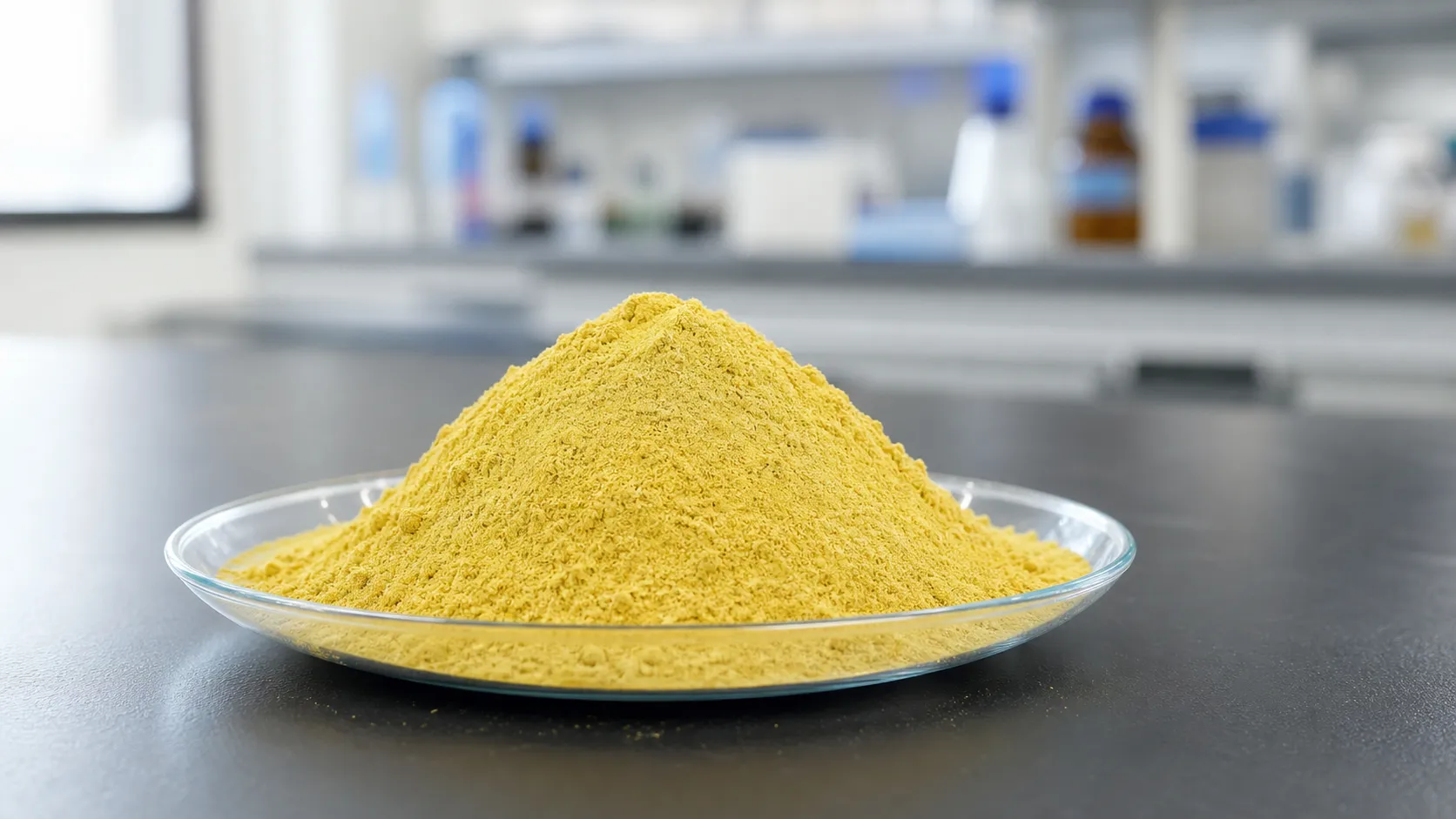
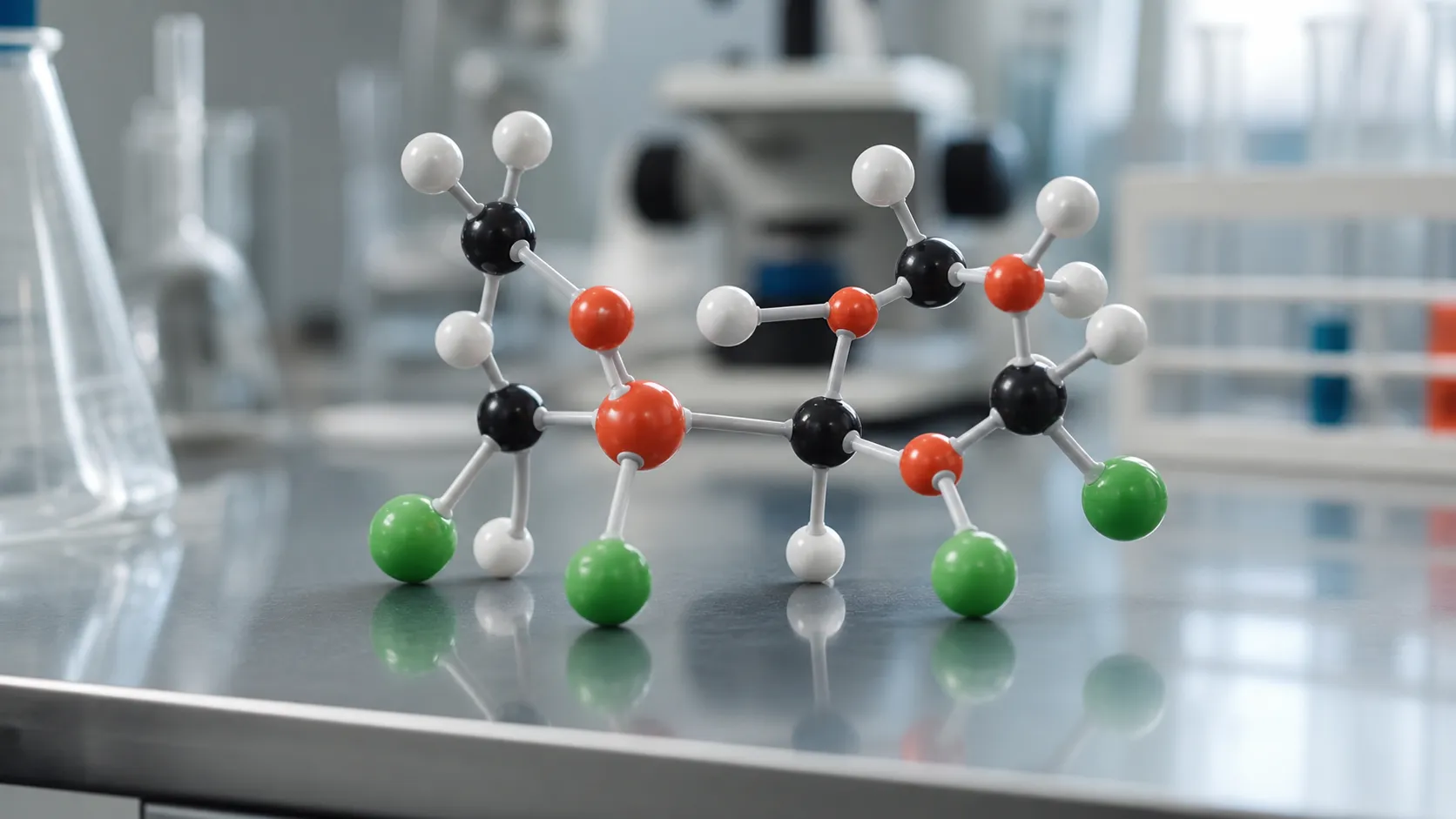
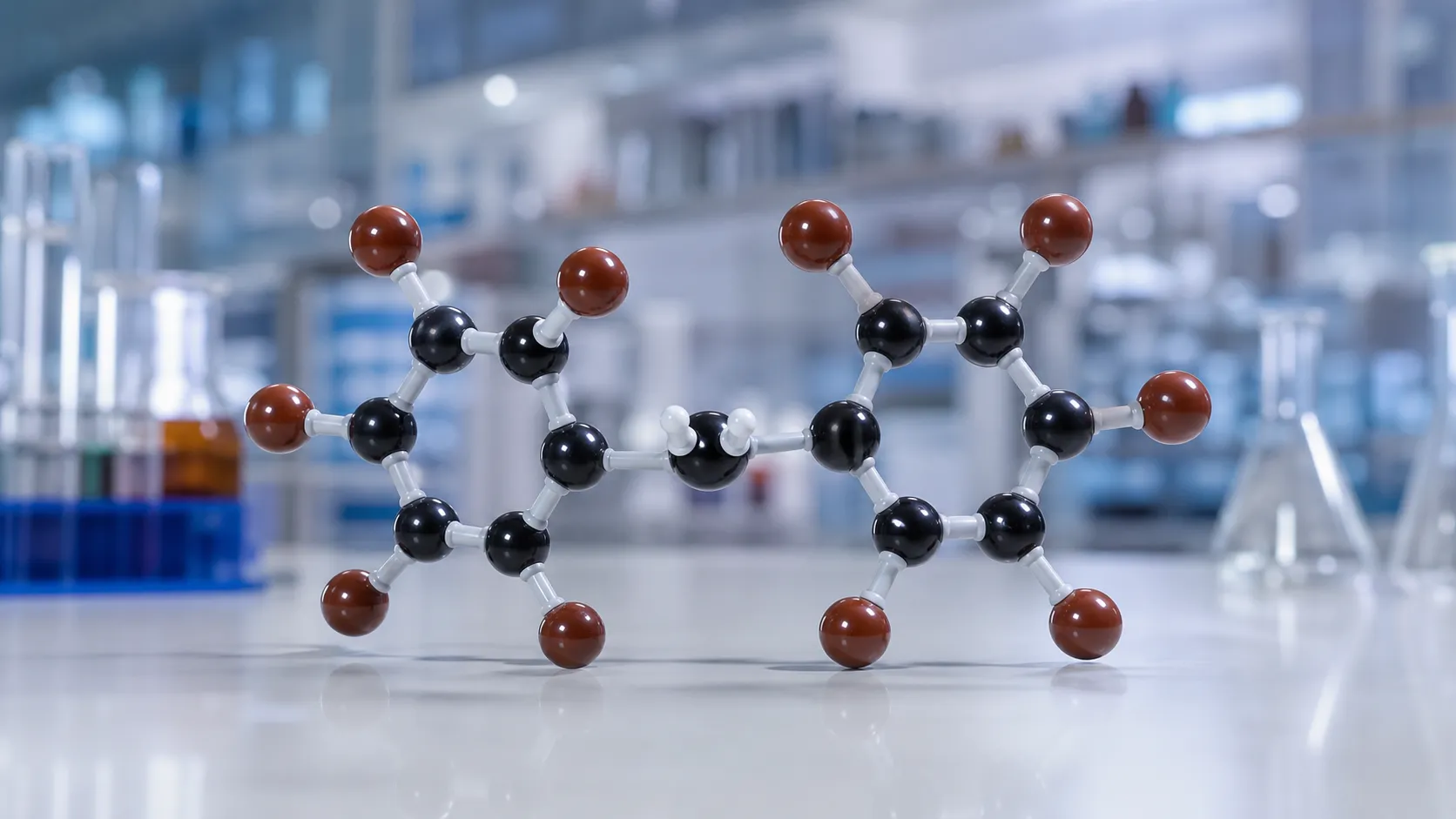
Organotin compounds (stannanes) are high-efficiency chemical additives defined by a direct tin-carbon (Sn-C) bond. We manufacture high-purity organotin compounds engineered to accelerate reaction kinetics, prevent thermal degradation, and optimize industrial processing. By sourcing direct from our factory, you eliminate middleman markups, guarantee batch-to-batch consistency, and secure reliable supply chains for your global operations.
What Are Organotin Compounds and How Do They Work?
Organometallic tin reagents function as targeted Lewis acid catalysts and stabilization agents. Their unique chemical structure allows them to lower activation energy in organic synthesis and cross-linking reactions, while effectively scavenging acid byproducts in polymer manufacturing.
| Compound Class | Core Chemical Action | Primary Application |
|---|---|---|
| Organotin Carboxylates | Accelerate hydroxyl-isocyanate reaction kinetics | Polyurethane foaming & coatings |
| Organotin Mercaptides | Scavenge HCl; replace labile chlorine atoms | PVC thermal stabilization |
| Tetraorganotin Intermediates | Serve as Stille reaction synthons | Fine chemical & pharma synthesis |
Why Pick Greenlano as Your Direct Organotin Supplier?
Finding reliable organometallic suppliers requires balancing pure chemical grades with competitive manufacturing costs. Here is why global manufacturers partner directly with us:
- Factory-Direct Pricing: We eliminate distributor markups to give you transparent, scalable commercial pricing.
- High Pure-Grade Output: Our strict distillation processes ensure maximum Sn content (%) and low impurity levels.
- Agile Global Logistics: We manage international shipping logistics to deliver bulk orders safely and on time.
- Custom Synthesis Capability: We tailor purity specs, tin concentrations, and solvent blends to match your exact process.
What Core Advantages Do Our Organometallic Catalysts Offer?
Our organotin products deliver measurable process efficiency across polymer production and chemical synthesis:
- Rapid Reaction Speeds: Dramatically reduces cycle times in polyurethane gelation and silicone moisture-curing.
- Superior Thermal Protection: Inhibits PVC thermal degradation during high-temperature extrusion and molding.
- High Yield Selectivity: Drives clean cross-coupling and transesterification reactions with minimal byproduct formation.
- Low Effective Dosage: High catalytic activity means lower loading rates, cutting total raw material costs.
How We Guarantee Compliance and Technical Documentation
Navigating global environmental and occupational safety standards requires complete transparency. We ensure full regulatory alignment for every shipment:
- REACH & RoHS Compliance: Full documentation provided to support European and international export compliance.
- Batch-Specific COA: Every lot is tested for exact metal content (Sn %), visual clarity, and specific gravity.
- Complete Technical Dossiers: Standard supply includes Safety Data Sheets (SDS), Technical Data Sheets (TDS), and ISO certifications.
Technical Specifications & Grade Classification
We manufacture high-purity organotin compounds to meet exact performance criteria across chemical, polymer, and manufacturing applications. Controlling parameters like tin content analysis (Sn %), purity level, and thermal behavior ensures your batch-to-batch consistency never drops.
What Product Grades Do We Offer?
We supply four standard product grades tailored to specific industrial uses:
| Grade | Purity | Main Applications | Key Compounds |
|---|---|---|---|
| Catalyst Grade | ≥ 99.0% | Polyurethane foams, silicone sealants, esterification | Dibutyltin dilaurate (DBTDL), CAS 77-58-7 |
| Stabilizer Grade | ≥ 98.0% | PVC extrusion, heat degradation protection | Organotin mercaptides, organotin carboxylates |
| Synthesis Grade | ≥ 98.5% | Fine chemical synthesis, pharmaceutical intermediates | Monobutyltin trichloride (MBTC), Stille reaction synthons |
| Technical Grade | ≥ 95.0% | Industrial coatings, general catalysis | Tributyltin derivatives, tetraorganotin |
How Do Physical and Chemical Properties Impact Your Process?
The structure of stannanes directly drives their reactivity, liquid viscosity, and processing behavior:
- Reactivity Control: Alkyl tin ratios (mono-, di-, or tri-substituted) determine reaction rates in catalysis and stabilization.
- Viscosity & Handling: Liquid organotins blend easily into resin matrices without requiring heavy solvent additions.
- Metal Content Precision: Accurate tin content analysis (Sn %) guarantees precise stoichiometric dosing, preventing costly raw material waste.
What Are the Thermal and Solubility Parameters?
Our organometallic tin reagents are built to remain stable under high-temperature processing conditions while maintaining clean solubility profile options:
- Thermal Stability: Operates cleanly up to 200°C–230°C before thermal decomposition occurs, protecting resins during extrusion.
- Solubility: High solubility in polar and non-polar organic solvents (toluene, alcohol, esters, polyols); insoluble in water.
- REACH-Compliant Stannane Additives: Fully documented safety and stability parameters for seamless international regulatory clearance.
Key Industrial Applications & Performance Benefits
We design our organotin compounds to meet strict industrial standards across high-performance polymer manufacturing and chemical synthesis. Here is how our stannane chemistries deliver direct value to your production lines.
How Do Organotins Prevent PVC Thermal Degradation?
During high-temperature processing, PVC risk severe discoloration and structural failure due to dehydrochlorination. Our organotin heat stabilizers—specifically organotin mercaptides and organotin carboxylates—intercept liberated HCl instantly.
- HCl Scavenging: Neutralizes free hydrochloric acid before it degrades the polymer backbone.
- Clarity Retention: Preserves glass-like transparency in rigid PVC sheets, pipes, and clear packaging films.
- Thermal Endurance: Prevents yellowing during high-shear extrusion and injection molding.
Why Are Organotins Crucial Polyurethane Catalysts?
In polyurethane (PU) manufacturing, timing is everything. A high-efficiency polyurethane organotin catalyst like dibutyltin dilaurate (DBTDL) provides precise control over the gelling reaction between polyols and isocyanates.
| Polymer Application | Key Catalyst / Additive | Core Performance Advantage |
|---|---|---|
| Rigid & Flexible Foams | Organotin Carboxylates | Balanced blow/gel reaction, uniform cell structure |
| Coatings & Elastomers | Dibutyltin dilaurate (DBTDL) | Fast tack-free times, high tensile strength |
| PVC Extrusion | Organotin Mercaptides | High thermal stability, low dosage requirements |
How Do They Improve Silicone Curing and Transesterification?
For RTV (Room-Temperature Vulcanizing) silicones and polyester synthesis, our organometallic tin reagents drive rapid, clean crosslinking without unwanted side reactions.
- Silicone Moisture Curing: Accelerates moisture-cure condensation in sealants, adhesives, and encapsulation compounds.
- Transesterification: Serves as a high-selectivity Lewis acid catalyst in polyester and resin manufacturing, minimizing color formation.
- Energy Efficiency: Lowers required reaction temperatures, cutting utility costs per batch.
Where Are They Used in Fine Chemical Synthesis?
Beyond polymers, high-purity organotins serve as vital intermediates in modern organic synthesis.
- Stille Reaction Synthons: Tetraorganotin and tributyltin derivatives enable precise carbon-carbon bond formation in pharmaceutical manufacturing.
- Specialty Intermediates: Monobutyltin trichloride (MBTC) acts as an essential precursor for glass coatings and specialty chemical synthesis.
- Consistent Yields: High tin content analysis (Sn %) guarantees predictable stoichiometry in critical lab and industrial reactions.
Quality Assurance, Regulatory Compliance & Safety Standards
How Do We Test Every Batch for Purity and Metal Content?
We maintain strict quality control protocols across our manufacturing lines to ensure every batch of organotin compounds meets exact industrial specifications. Every shipment undergoes rigorous testing before leaving our facility to guarantee performance consistency.
- Tin Content Analysis (Sn %): We verify the exact metal percentage using advanced titration and spectroscopic methods to ensure optimal catalytic activity.
- Purity Verification: High-performance liquid chromatography and gas chromatography ensure minimal impurities in specialized stannanes and organometallic tin reagents.
- Batch Traceability: Every container of dibutyltin dilaurate (DBTDL), monobutyltin trichloride (MBTC), or organotin carboxylates ships with a detailed certificate of analysis (COA).
| Quality Parameter | Testing Method | Target Specification |
|---|---|---|
| Tin Content (Sn %) | Titrimetric Assay | +/- 0.5% of theoretical value |
| Total Purity | GC/HPLC | greater than or equal to 98.5% |
| Moisture Content | Karl Fischer | less than 0.1% |
Are Greenlano Organotins REACH and RoHS Compliant?
Navigating global environmental frameworks can slow down production, which is why we handle compliance documentation directly. Our portfolio—including REACH-compliant stannane additives and specialized organotin heat stabilizers—satisfies stringent international standards.
- REACH Registration: Fully registered for European markets, ensuring smooth customs clearance and zero regulatory friction for your import operations.
- RoHS Directive Alignment: Formulated to meet safety directives, keeping your final polymer products compliant for use in electronics and consumer goods.
- Full Documentation Support: Comprehensive safety data sheets (SDS) and regulatory declarations are accessible for every commercial grade.
What EHS and Occupational Safety Protocols Should You Follow?
Safe handling is vital when working with industrial-grade organometallics. While our polyurethane organotin catalyst and tributyltin derivatives drive high-speed reactions, proper workplace safety measures protect your operational team.
- Personal Protective Equipment (PPE): Always wear chemical-resistant nitrile gloves, safety goggles, and appropriate respiratory protection when handling concentrated liquids.
- Engineering Controls: Utilize localized exhaust ventilation in processing plants to prevent vapor accumulation during continuous manufacturing.
- Spill Response Management: Contain accidental releases using inert absorbent materials like dry sand or specialized pads, then dispose of waste in accordance with local environmental laws.
Packaging, Handling & Global Logistics
What Commercial Packaging Options Are Available?
We deliver high-purity organotin compounds in heavy-duty, moisture-sealed containers designed to protect sensitive chemical bonds during transit. Whether you need standard drum packaging or large-scale bulk containers for industrial polyurethane catalyst or PVC processing lines, we provide standard UN-rated packaging:
| Packaging Type | Capacity / Net Weight | Recommended Applications |
|---|---|---|
| UN Steel Drums | 200 kg / 220 kg | Standard industrial shipments, DBTDL & organotin mercaptides |
| HDPE Drums | 25 kg / 200 kg | Corrosive liquid stannanes & organotin carboxylates |
| IBC Tote Containers | 1,000 kg | High-volume polymer additive & PVC thermal degradation inhibitor orders |
| ISO Tank Containers | 20,000+ kg | Global bulk direct supply |
How Should You Store Organotin Compounds to Prevent Degradation?
Organotin reagents, particularly organotin carboxylates and monobutyltin trichloride (MBTC) derivatives, react with ambient air and water vapor. Proper storage keeps your chemical inventory stable:
- Temperature Control: Store containers in a cool, dry area between 15°C and 25°C (59°F–77°F) away from direct sunlight.
- Moisture Protection: Keep drums tightly sealed. Water exposure triggers hydrolysis, lowering active tin content analysis (Sn %) and forming unwanted precipitates.
- Nitrogen Blanketing: For opened or partially used drums, purge the headspace with dry nitrogen to stop oxidation.
- Segregation: Store away from strong acids, oxidizing agents, and food products in a dedicated, ventilated chemical space.
How Fast Can Greenlano Ship Your Bulk Order Globally?
We operate direct factory dispatch centers to maintain a reliable global supply chain:
- Dispatch Timelines: Standard catalog grades ship within 3 to 5 business days. Custom formulations ship in 7 to 10 days.
- Global Logistics Networks: We manage full export documentation, including SDS, REACH certificates, and dangerous goods (DG) transport compliance.
- Shipping Modes: Express air freight for urgent lab-scale samples; ocean container freight (FCL/LCL) and ISO tanks for major industrial sites worldwide.
Sourcing from Greenlano: Strategic B2B Advantages
How Does Direct Factory Pricing Lower Your Production Costs?
By sourcing your organotin compounds directly from our manufacturing facilities, you eliminate middleman markups and streamline procurement. We pass these operational savings straight to your bottom line, giving you competitive pricing on high-purity stannanes and specialized organotin carboxylates.
- No intermediary markups: Buy directly from the synthesis source.
- Volume-based discounts: Scalable pricing tiers designed for bulk industrial buyers.
- Predictable cost structure: Transparent long-term supply contracts protect against market volatility.
Can Greenlano Provide Custom Formulations and Purity Levels?
Yes, we tailor our chemical output to match your specific production parameters. Whether your process requires precise tin content analysis (Sn %), adjusted active concentrations, or specialized blends like dibutyltin dilaurate (DBTDL) and monobutyltin trichloride (MBTC), our technical team formulates to match your target criteria.
| Customization Option | Capabilities & Specifications |
|---|---|
| Purity Options | Standard industrial grades up to high-purity fine chemical grades |
| Targeted Solvents | Custom diluents for immediate integration into polyurethane or PVC systems |
| Packaging Sizes | Drums, IBC totes, or specialized containers built for your facility's setup |
How Do We Guarantee Supply Chain Security?
We maintain strict operational standards so your production runs without disruption. Through raw material buffer stocks, dual-sourcing logistics, and real-time shipment tracking, we deliver reliable supply continuity globally.
- Buffer inventory: Warehoused stock in key global hubs ensures short lead times.
- End-to-end traceability: Full documentation and batch tracking from raw material to final shipment.
- Regulatory readiness: Every batch complies with strict international standards, ensuring smooth customs clearance and fully REACH-compliant stannane additives.
Frequently Asked Questions About Organotin Compounds
What is the primary function of organotin compounds in polymers?
In polymer manufacturing, we use organotin compounds primarily as heat stabilizers and high-efficiency catalysts. They prevent thermal degradation in PVC by stripping unstable chlorine atoms and stopping autocatalytic chain reactions during hot processing. In polyurethane (PU) and silicone systems, stannane additives like dibutyltin dilaurate (DBTDL) accelerate cross-linking and polyaddition, giving you precise control over gel times, cure speeds, and mechanical properties.
Are organotin heat stabilizers REACH compliant?
Yes. Our organotin heat stabilizers and tin carboxylates strictly adhere to EU REACH regulations and Annex XVII restrictions. We carefully balance product purity and chemical composition to ensure our industrial supply meets global compliance standards. We provide full SVHC (Substances of Very High Concern) tracking and updated safety data sheets (SDS) with every commercial batch to keep your supply chain secure and fully compliant.
How do I select the right organotin catalyst for my PU formulation?
Selecting the proper organotin catalyst depends on your system's exact reactivity profile and processing conditions:
- Rigid Foams & CASE Applications: Choose dibutyltin dilaurate (DBTDL) for strong, consistent gelling control.
- Flexible Spray Foams & Fast Cures: Opt for higher-reactivity organotin carboxylates to achieve fast tack-free times.
- Low-VOC & Sensitive Coatings: Select targeted organotin mercaptides or specialty monobutyltin derivatives to minimize volatile emissions.
We also offer custom tin content analysis (Sn %) to help you dial in the exact metal concentration your formulation requires.
What is the typical shelf life of an organotin compound?
Stored in original, unopened factory drums under cool, dry, and ventilated conditions (5°C to 30°C), our organotin compounds maintain a shelf life of 12 to 24 months. Because organometallic tin reagents are sensitive to moisture and air exposure, keeping containers tightly sealed prevents hydrolysis, phase separation, or loss of catalytic activity over time.
Request for Quote & Technical Support Zone
Requesting a Custom Sample or Freight Quote
We keep our sourcing process straightforward so you can evaluate our organotin compounds and secure volume pricing without delay. Whether you need specific organometallic tin reagents, custom metal purity levels, or tailored packaging formats, our technical team processes every request directly from our factory floor.
To get a precise quote or order samples, follow three simple steps:
- Specify Technical Parameters: Provide your required compound, purity grade, target tin content percentage (Sn %), or CAS number (such as CAS 77-58-7 for dibutyltin dilaurate).
- Choose Packaging & Quantities: Select from sample-scale jars, steel drums, or bulk IBC totes based on your trial or production scale.
- Indicate Shipping Terms: Share your target delivery location and preferred shipping terms (FCA, FOB, CIF, or DDP) for a full logistics calculation.
| Inquiry Type | Required Information | Processing Time |
|---|---|---|
| Lab-Scale Sample | Compound type, intended application, delivery address | Within 24 hours |
| Bulk Freight Quote | Target volume, packaging choice, destination port | 24–48 hours |
| Custom Formulation | Target Sn %, viscosity, specific stannane derivative specs | 48 hours |
Rapid Delivery of Lab-Scale Samples
Testing our organotin heat stabilizers and polyurethane organotin catalysts in your facility shouldn't bottleneck your research and development timeline. We maintain dedicated inventory reserves specifically allocated for lab evaluation and quality testing.
- Fast Dispatch: Standard lab samples of our stannane additives and catalysts ship within 24 to 48 hours of request validation.
- Global Express Transit: We utilize direct international air freight, delivering testing samples to most global destinations within 3 to 5 business days.
- Full Regulatory Dossier Included: Every sample shipment comes complete with a batch-specific Certificate of Analysis (CoA), SDS, and technical data sheets to verify purity before you run your trials.