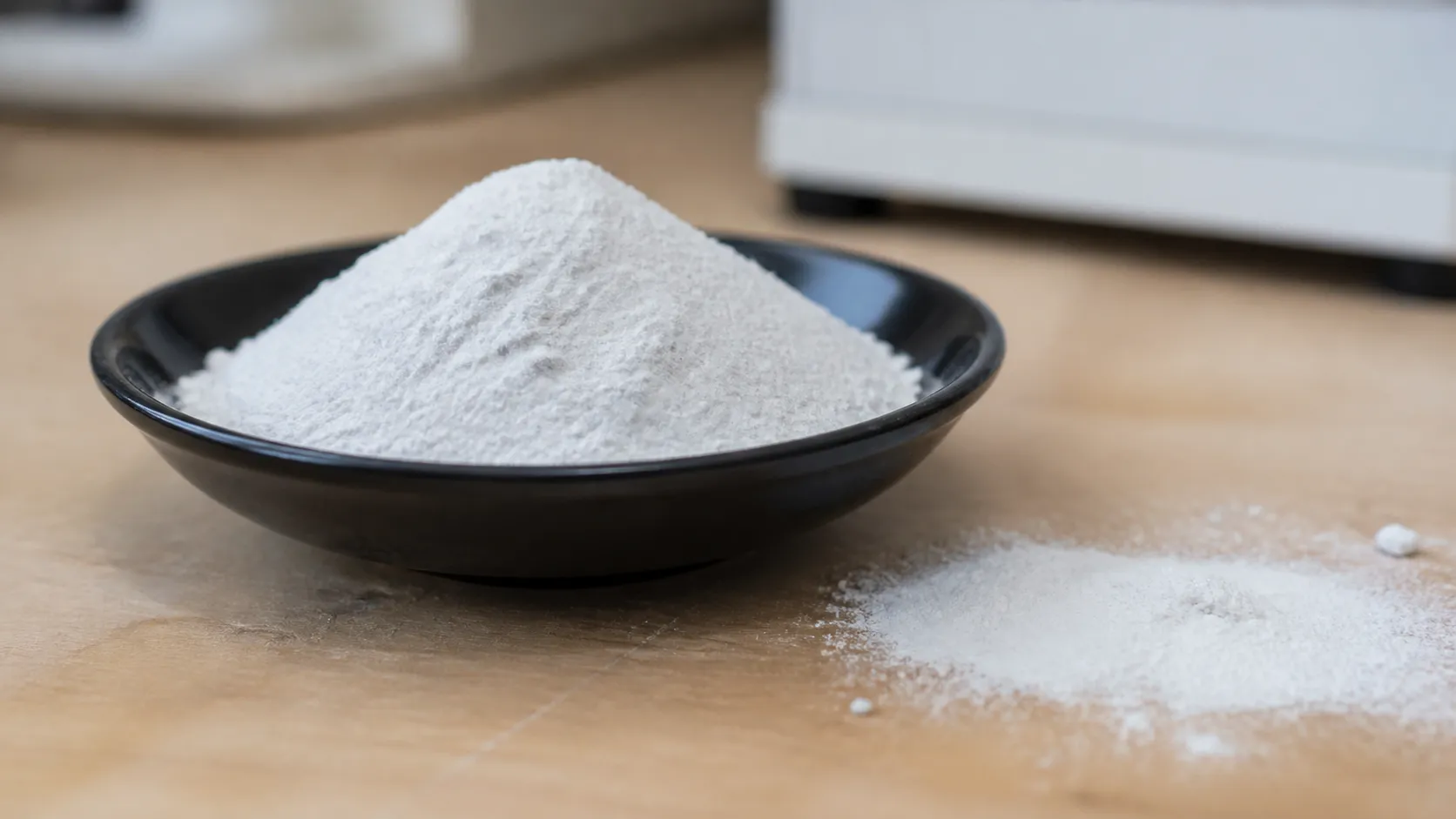
Formula details
Product Details
Overview
High-Performance Sodium Aluminate Overview and Core Advantages
We synthesize high-performance Sodium Aluminate to solve critical operational challenges faced by industrial water treatment engineers, paper mills, and construction specialists. By replacing standard acidic coagulants and low-efficiency additives with our high-purity alkaline chemical, facilities achieve precise process control, lower chemical consumption, and protect critical equipment.
Definition and High-Purity Synthesis Process
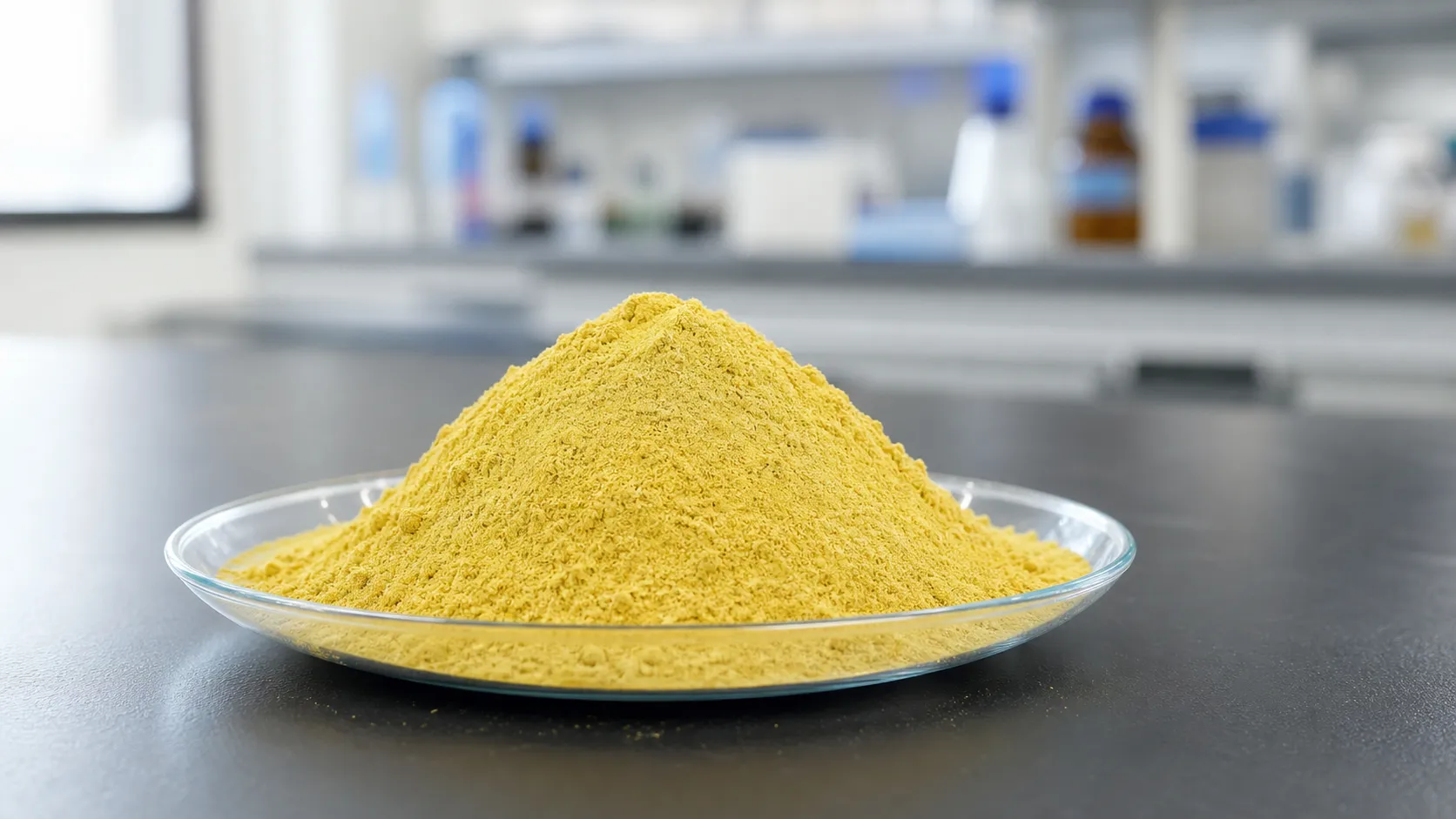
Sodium Aluminate (sodium metaaluminate) is an essential inorganic chemical manufactured by digesting high-purity aluminum hydroxide within quality-controlled sodium hydroxide (caustic soda). We utilize a high-temperature thermal reaction process that yields an exceptionally clear, highly soluble compound available in both stable liquid solutions and granular powders.
- Precision Synthesis: Digestion of refined Al(OH)3 in caustic soda under strict molar ratio controls.
- High Stability: Formulated to resist crystallization and precipitate formation during storage.
- Maximum Purity: Minimal insoluble residual matter ensures smooth inline pump dosing without clogging feed lines.
Core Industrial Advantages
Our premium sodium aluminate provides distinct mechanical and chemical advantages over traditional acidic salts:
- Alkalinity Supplementation Without System pH Drops: Acidic coagulants like aluminum sulfate (alum) or polyaluminum chloride (PAC) deplete system alkalinity and force expensive lime or caustic soda dosing. Our alkaline compound delivers active alumina (Al2O3) while supplying sodium oxide (Na2O) alkalinity, maintaining a stable system pH naturally.
- Low Heavy-Metal Iron Content: Engineered with strictly controlled iron levels to prevent water discoloration, turbidity spikes, and staining in sensitive municipal water clarification and high-grade pulp and paper production.
- Rapid Cold-Weather Hydration: Functions as a fast-acting concrete setting accelerator. It speeds up hydration kinetics in shotcrete and specialized building formulations, enabling high early compressive strength development even in freezing ambient conditions.
- High Active Alumina Content: Concentrated active alumina yields higher reaction efficiency per volume. This lowers required product dosages, significantly reducing chemical consumption, bulk freight costs, and storage footprint.
Sodium Aluminate Technical Specifications & Benchmarks
We maintain precise chemical standards and strict manufacturing process controls for every lot of Sodium Aluminate we produce. Below are the key chemical identification parameters, grade comparisons, and physical benchmarks.
Product Identification
- Chemical Formula: NaAlO2 / Na2Al2O4
- Chemical Names: Sodium metaaluminate, Sodium aluminum oxide
- CAS Numbers: 1302-42-7 (Solid), 11138-49-1 (Liquid solution)
- HS Code: 2841.10.00
- Hazard Class: UN Class 8 Corrosive (UN 2812 Solid / UN 1819 Liquid)
Grade Specifications: Solid vs. Liquid Sodium Aluminate
| Parameter / Benchmark | Solid Powder / Granular Grade | Liquid Sodium Aluminate (38%–45%) |
|---|---|---|
| Alumina Content (Al2O3) | 50% – 56% min | 19% – 25% min |
| Sodium Oxide (Na2O) | 38% – 44% | 18% – 22% |
| Molar Ratio (Na2O/Al2O3) | 1.05 – 1.25 | 1.15 – 1.35 |
| Physical Appearance | White to off-white free-flowing powder | Clear to pale yellow viscous liquid |
| pH Standard | 12.0 – 13.5 (1% solution) | 13.0 – 14.0 (direct) |
| Density / Specific Gravity | Bulk Density: 0.85 – 1.10 g/cm³ | Specific Gravity: 1.45 – 1.58 (20°C) |
| Water Insolubles | ≤ 0.1% max | ≤ 0.05% max |
| Iron Content (Fe2O3) | ≤ 0.005% max | ≤ 0.003% max |
Key Molar Stoichiometry & Physical Benchmarks
- High Active Alumina (Al2O3): Delivers maximum reactivity for water clarification, paper sizing, and rapid concrete setting while reducing raw transport costs.
- Controlled Na2O/Al2O3 Stoichiometry: Precise sodium-to-aluminum molar ratios preserve long-term liquid stability and prevent premature precipitation or crystallization in storage tanks.
- Ultra-Low Heavy Metals: Minimal iron content ensures clear liquid formulas and eliminates product discoloration issues in white paper and synthetic zeolite manufacturing.
- Strong Alkalinity Reserve: High inherent pH (12.0+) supplies needed alkalinity without dropping system pH during critical neutralization steps.
Key Industrial Applications and Usage Guidelines
We supply high-purity Sodium Aluminate designed to meet the exact demands of heavy industry and municipal infrastructure. Our product delivers consistent chemical reactive performance across four core industrial sectors.
Wastewater Treatment and Clarification
Our sodium metaaluminate serves as an advanced phosphorus removal coagulant and water clarification agent for municipal and industrial treatment plants:
Phosphorus Precipitation: Precipitates orthophosphates directly out of solution to meet strict environmental discharge limits.
Alkalinity Control: Provides high-potency alkalinity, eliminating the need for extra caustic soda feeds in low-pH water.
Silica Removal: Removes dissolved silica and suspended solids efficiently, protecting downstream equipment and membranes.
Construction and Shotcrete Acceleration
In structural building materials, our product functions as an essential concrete setting accelerator:
Fast-Setting Concrete: Drastically reduces initial set times for high-speed concrete placement and shotcrete tunneling.
Cold-Weather Hydration: Drives rapid early-strength development during cold-weather pours.
Efflorescence Control: Binds free lime within the concrete matrix, preventing unsightly surface efflorescence and salt leaching.
Paper and Pulp Manufacturing
We help paper mills optimize wet-end chemistry and extend equipment lifespan:
Paper Sizing Additive: Serves as a vital sizing agent to stabilize rosin sizing under neutral or alkaline papermaking conditions.
pH Neutralization: Neutralizes excess acidic alum, protecting machinery from acid-driven corrosion.
Retention Enhancement: Increases fine fiber and filler retention while improving drainage rates on high-speed paper machines.
Synthetic Zeolite and Catalyst Synthesis
As a soluble aluminum source, our liquid and solid grades act as a premium synthetic zeolite precursor:
Molecular Sieves: Provides high-solubility aluminum needed to synthesize 3A, 4A, 5A, and 13X zeolites.
Catalyst Production: Delivers consistent silica-to-alumina ratios with ultra-low iron levels for FCC catalysts and industrial adsorbents.
Quality Management and Pre-Shipment Inspection
We know product consistency is crucial for your plant operations and chemical processing. Every lot of our sodium aluminate undergoes strict batch testing to verify active alumina content ($Al_2O_3$) and sodium oxide ratios before leaving our facility.
- ISO Quality Standards: Manufactured under certified quality management systems to guarantee batch-to-batch uniformity.
- Lot-Specific Certificate of Analysis (COA): Every shipment includes a detailed Certificate of Analysis (COA) confirming exact chemical composition, purity thresholds, and physical properties.
- Third-Party Inspections: We routinely work with recognized global testing agencies including SGS, Intertek, and Bureau Veritas to conduct pre-shipment inspections and sampling at port.
Safety Standards for Class 8 Corrosive Handling
Because both solid and liquid sodium aluminate carry a Class 8 corrosive hazard rating due to high alkalinity, proper handling protocols protect your site workers and equipment.
- Required PPE: Operators must wear chemical-resistant splash goggles, face shields, nitrile or neoprene gloves, and protective aprons during transfer.
- Dust Control: Handle solid powder in well-ventilated spaces or with dust-extraction equipment to avoid respiratory irritation.
- First-Aid Readiness: Keep dedicated eyewash stations and safety showers fully functional and accessible within immediate reach of handling zones.
Storage Standards for Liquid and Powder Containers
Correct storage conditions keep sodium aluminate stable and prevent clumping or precipitation before application.
- Hygroscopic Powder Storage: Keep solid product sealed in its original moisture-proof polypropylene bags or super sacks. Store in a cool, dry warehouse elevated off concrete floors.
- Bulk Liquid Storage: Store liquid solutions in rubber-lined steel, FRP, or high-density polyethylene (HDPE) tanks. Maintain ambient storage temperatures above 15°C (59°F) to prevent liquid crystallization during cold seasons.
Sodium Aluminate Packaging and Global Logistics
We deliver Sodium Aluminate in heavy-duty, moisture-resistant packaging built for safe transit across sea, rail, and road. Whether your facility uses dry feed systems or direct liquid dosing, we provide packaging options tailored to your operational scale.
Solid Powder Packaging Options
Our solid Sodium Aluminate is double-sealed to prevent air exposure and moisture absorption:
- 25 kg Polypropylene (PP) Bags: Includes a thick polyethylene (PE) inner liner for secure manual handling and small batch mixing.
- 1000 kg Super Sacks (FIBC): Heavy-duty woven bulk bags with bottom discharge spouts, designed for automated unloading into hoppers and silos.
Liquid Sodium Aluminate Delivery Options
We supply liquid sodium aluminate in ready-to-use containers designed for fast, leak-free connection to your chemical feed lines:
- 250 kg Standard Drums: Sealed steel or high-density polyethylene (HDPE) drums for tight storage footprints.
- 1250 kg IBC Totes: Heavy-duty intermediate bulk containers fitted with standard valve fittings for direct pump connections.
- Bulk Tank Trucks: Dedicated road tankers for uninterrupted feed directly into high-capacity plant storage tanks.
Packaging Specifications Summary
| Product Form | Packaging Type | Net Weight | Key Logistics Advantage |
|---|---|---|---|
| Solid Powder | PP Bags with PE Inner Liner | 25 kg | Easy manual stacking and precise batching |
| Solid Powder | FIBC Super Sack | 1,000 kg | Ideal for high-volume dry-feed hoppers |
| Liquid Solution | Sealed Drums | 250 kg | Compact storage for small facilities |
| Liquid Solution | IBC Tote Container | 1,250 kg | Quick valve connection, minimal handling |
| Liquid Solution | Bulk Tank Truck | Custom Bulk | Optimized unit cost for continuous consumption |
Export Shipping Compliance and SDS Documentation
As a Class 8 corrosive substance, every Sodium Aluminate export shipment undergoes strict compliance checks before dispatch:
- Complete SDS Documentation: Standardized Safety Data Sheets (SDS) provided with full chemical analysis and emergency response guidelines.
- Strict Class 8 Compliance: Certified hazardous goods packaging, clear UN labeling, and compliant bill of lading documentation.
- Multimodal Logistics: Streamlined ocean freight, air freight, and overland shipping support, ensuring smooth customs clearance at global ports.
Frequently Asked Questions (FAQs) About Sodium Aluminate
We regularly answer technical and operational questions from plant managers, civil engineers, and chemical procurement specialists. Here are direct answers to the most common inquiries regarding Sodium Aluminate applications, performance, and handling.
How does sodium aluminate remove phosphorus in wastewater treatment?
When added to wastewater, Sodium Aluminate acts as a dual-action phosphorus removal coagulant:
- Chemical Precipitation: It reacts with dissolved orthophosphates to form insoluble aluminum phosphate (AlPO4) precipitates that settle rapidly out of suspension.
- Coagulation & Flocculation: It forms heavy aluminum hydroxide flocs that trap colloidal organic matter and fine particulate phosphorus.
- pH Stabilization: It maintains ideal precipitation conditions without consuming system alkalinity or requiring extra caustic additions.
What are the practical differences between solid powder and liquid sodium aluminate?
We supply both forms to match your facility's dosing infrastructure and logistics preferences.
| Feature | Solid Sodium Aluminate (Powder/Granular) | Liquid Sodium Aluminate (38%-45% Solution) |
|---|---|---|
| Active Al2O3 Content | High (~50% to 56%) | Medium (~19% to 25% Al2O3 equivalent) |
| CAS Number | CAS 1302-42-7 / CAS 11138-49-1 | Liquid sodium aluminate 38% blend |
| Handling & Dosing | Requires dissolution tanks and mechanical mixers | Ready to pump; direct metering into chemical feed lines |
| Shipping & Storage | Lower freight cost per active ton; requires dry storage | Higher freight weight; requires bulk liquid storage tanks |
| Best Used For | Long-distance export, concrete setting, custom dry mixes | Automated municipal wastewater plants, immediate batching |
Why is sodium aluminate preferred over acidic salts in low-alkalinity water?
Standard coagulants like alum (aluminum sulfate) or ferric chloride consume system alkalinity and cause pH levels to drop. In low-alkalinity water, this forces plant operators to buy and feed secondary alkaline chemicals like lime or caustic soda.
Sodium Aluminate functions as a high-efficiency alkalinity control agent. It delivers active aluminum ions for coagulation while releasing sodium oxide (Na2O) equivalents into the system. This raises and stabilizes pH naturally, protecting biological treatment steps and eliminating secondary alkali costs.
What protective equipment is required for handling Class 8 corrosive sodium aluminate?
Both solid and liquid forms carry a Corrosive solid Class 8 (or Class 8 corrosive liquid) hazard rating due to high pH and strong alkaline properties. We recommend the following Personal Protective Equipment (PPE) for safe handling:
- Eye & Face Protection: Chemical splash goggles paired with a full-face shield.
- Skin Protection: Alkali-resistant nitrile, neoprene, or PVC gloves, rubber boots, and heavy-duty chemical aprons.
- Respiratory Protection: NIOSH-approved dust respirators when transferring or dissolving dry powder.
- Facility Safety: Emergency eyewash stations and safety showers situated near unloading and dosing areas.