Formula details
Product Details
Overview
What is DOP Plasticizer and How Does It Work?
Achieving the perfect balance between rigidity, melt viscosity, and elastic response in polymer compounding starts with selecting the right additive. We supply high-purity DOP plasticizer to help global manufacturers optimize melt flow, improve impact resistance, and lower processing temperatures without sacrificing physical performance.
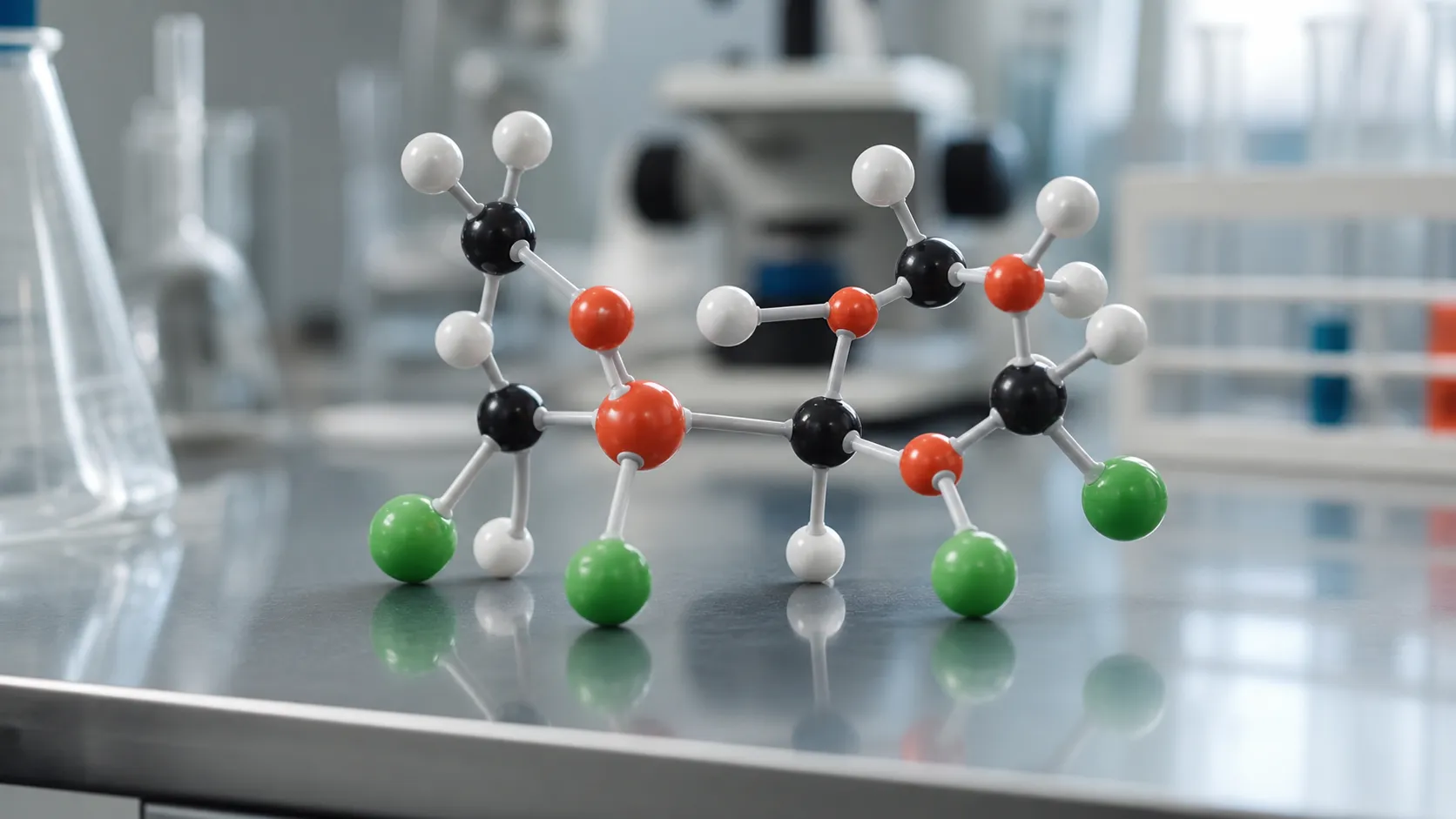
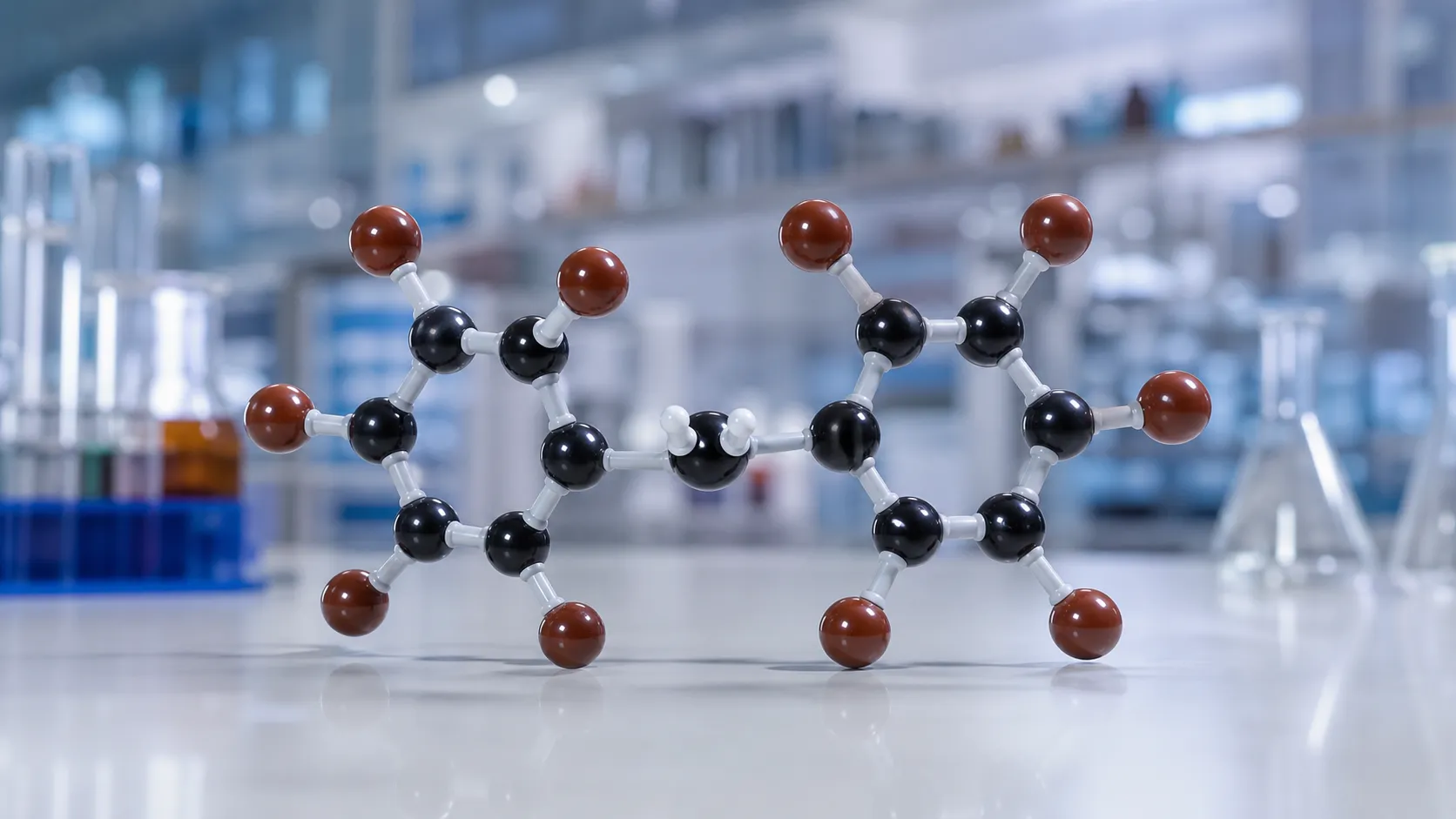
Definition and Molecular Structure of Dioctyl Phthalate
Dioctyl Phthalate (DOP)—chemically identical to DEHP plasticizer—is a general-purpose phthalate ester and the industry benchmark for primary PVC modification. Its branched ester structure allows it to mix seamlessly into vinyl matrixes as a high-efficiency polymer processing additive.
- Chemical Name: Bis(2-ethylhexyl) phthalate
- Chemical Family: Phthalic acid diesters
- Molecular Formula: C24H38O4
- Molecular Weight: 390.56 g/mol
- Physical Form: Clear, colorless, oily liquid with low odor
Interaction with PVC Polymer Chains
Unplasticized PVC resin is naturally rigid and brittle due to dense polar interactions along its vinyl backbone. When we blend DOP into the formulation, it alters the matrix through a distinct physical mechanism:
- Matrix Penetration: Under heat and shear, DOP molecules diffuse into the resin particles.
- Polar Bond Disruption: The polar ester groups in DOP bind to the chlorine sites on the PVC polymer chains.
- Free Volume Increase: The non-polar 2-ethylhexyl hydrocarbon tails push adjacent polymer chains apart.
- Enhanced Mobility: Lowered intermolecular friction allows chains to slide past one another smoothly.
This process delivers high plasticizing efficiency, converting rigid PVC into soft, elastic compounds suited for flexible extrusions and moldings.
Key Chemical Specifications and Liquid Properties
Our bulk PVC plasticizer output meets stringent physical and chemical standards to ensure consistent thermal stability, low volatility, and predictable viscosity during compounding.
| Property / Specification | Standard Commercial Range | Test Method / Reference |
|---|---|---|
| Ester Content (Purity) | 99.5% min | Gas Chromatography |
| Color Value | 30 max | Pt-Co / APHA Scale |
| Density (20°C) | 0.982 – 0.988 g/cm³ | ASTM D4052 |
| Kinematic Viscosity (20°C) | 56 – 60 mPa·s | ASTM D445 |
| Flash Point (Open Cup) | 200°C min | ASTM D92 |
| Acid Value | 0.07 mg KOH/g max | ASTM D1045 |
| Volatile Mass Loss (125°C / 3h) | 0.2% max | ASTM D2288 |
Major Industrial Applications of DOP Plasticizer
We see DOP plasticizer driving productivity across a massive range of manufacturing sectors. As a reliable PVC plasticizer, it provides the perfect balance of flexibility, workability, and cost efficiency in heavy-duty polymer processing.
Flexible PVC Pipes, Tubing, and Hoses
In flexible PVC formulation, DOP softens the rigid resin matrix to deliver smooth extrusion and long-lasting durability.
Industrial hoses: Maintains structural integrity without cracking under fluid pressure.
Flexible tubing: Delivers a smooth surface finish and uniform wall thickness.
Clear suction pipes: Preserves clarity while ensuring high flexibility.
PVC Cable Insulation Compounds
Electrical manufacturers rely heavily on DOP for high-performance PVC cable insulation and jacketing products.
Dielectric strength: Delivers high electrical resistance for low-to-medium voltage wiring.
Processing stability: Prevents thermal degradation during high-speed wire extrusion.
Cable flexibility: Keeps building wires and automotive harnesses supple over long periods.
Synthetic Leather and Vinyl Sheeting
Clients in the textile and building materials sectors use DOP to achieve superior drape, texture, and durability.
Synthetic leather manufacturing: Creates soft, durable artificial leather for upholstery, automotive interiors, and footwear.
Vinyl flooring plasticizer: Adds impact absorption, flexibility, and wear resistance to vinyl tiles and sheet flooring.
Waterproof tarpaulins: Ensures flexibility and tear resistance for outdoor coated fabrics.
Adhesives, Sealants, and Industrial Inks
Beyond standard resin processing, DOP functions as an effective viscosity reducer and modifier in non-PVC applications.
Construction sealants: Improves joint movement capability and prevents shrinkage cracking.
Industrial inks and coatings: Optimizes pigment dispersion, viscosity control, and film formation.
Specialty adhesives: Enhances tackiness and bond strength across various substrates.
Technical Benefits of DOP Plasticizer in PVC Processing
When running flexible PVC production lines, I rely on additives that deliver predictable softening power without compromising physical durability. DOP plasticizer remains our standard polymer processing additive because it balances easy processing with long-term product performance.
High Plasticizing Efficiency and Structural Flexibility
- Rapid Resin Fusion: DOP dissolves smoothly into PVC resin during dry blending, drastically reducing compound melt viscosity.
- High Plasticizing Efficiency: Reaches desired softness at lower dosage levels, reducing overall raw material costs.
- Superior Flexibility: Delivers high tensile strength, excellent elongation at break, and elastic recovery to flexible PVC products.
Low Volatility and Thermal Stability in Extrusion
- Minimal Thermal Loss: As a low volatility plasticizer, DOP resists boiling off during high-temperature extrusion and calendering.
- Cleaner Processing: Reduces indoor fuming on the factory floor while maintaining consistent product weight and wall thickness.
- Thermal Protection: Prevents resin scorching, color shifts, and polymer chain degradation during heat-intensive processing cycles.
Cold Flexibility and Weather Resistance
- Sub-Zero Bend Performance: Retains cold flexibility down to freezing temperatures, preventing cracking in outdoor vinyl applications.
- Extraction Resistance: Holds tight within the polymer matrix to resist water washout and migration under harsh weather exposure.
| Key Technical Metric | Performance Advantage | Production Impact |
|---|---|---|
| Plasticizing Efficiency | Fast softening at lower phr | Faster line speeds and reduced power draw |
| Thermal Volatility | Low weight loss under heat | Stable wall thickness and minimal plant fuming |
| Cold Flexibility | Excellent cold bend performance | Prevents winter cracking in hoses and sheeting |
| Weathering Stability | High resistance to UV and water | Extends service lifespan of outdoor vinyl |
DOP Plasticizer vs DOTP and Alternative Plasticizers
Comparing DOP with DOTP for Eco-Compliance
When I help clients choose the right PVC plasticizer, eco-compliance is usually the main decision driver. Dioctyl Phthalate (DOP)—also known as DEHP plasticizer—remains the global standard for processing efficiency and cost. However, evolving global environmental standards like REACH and RoHS have driven adoption of alternative formulations.
- DOP Plasticizer: Offers unmatched cost-performance balance and rapid fusion speeds, making it ideal for standard industrial flexible PVC products.
- Dioctyl Terephthalate (DOTP): A terephthalate isomer that acts as a non-phthalate alternative. It meets strict eco-compliance rules while preserving key mechanical properties in your flexible PVC formulation.
DOP vs DINP and DIDP Performance Comparison
Higher molecular weight phthalates like DINP and DIDP trade a bit of efficiency for lower volatility. Here is how they compare against our standard DOP in processing performance:
| Specification / Feature | DOP Plasticizer | DINP | DIDP |
|---|---|---|---|
| Molecular Weight | ~390 g/mol | ~418 g/mol | ~446 g/mol |
| Plasticizing Efficiency | High (Baseline standard) | Moderate (Requires ~5% more) | Lower (Requires ~10% more) |
| Processing Volatility | Moderate | Low | Very Low (Low volatility plasticizer) |
| Extraction Resistance | Standard | Good | High |
| Primary Advantage | Fast processing & low cost | Extended service life | High thermal resistance |
Selecting the Best Plasticizer for Your PVC Formulation
Picking the right polymer processing additive requires balancing production speed, target market regulations, and product lifespan.
- Go with DOP Plasticizer if: You need high output speeds, fast gelation, and optimal cost efficiency for standard commercial goods.
- Opt for DOTP if: Your global buyers demand eco-compliant, non-phthalate products without major processing redesigns.
- Select DINP or DIDP if: Your end application demands superior heat resistance, low volatility, and long-term durability under harsh environments.
Processing Guidelines and Recommended Dosing Ratios
Getting the most out of your flexible PVC formulation depends heavily on correct liquid additive ratios and precise processing temperatures. We designed these production recommendations to help you maximize plasticizing efficiency while keeping compound processing smooth and cost-effective.
Standard Dosing PHR for Flexible vs Semi-Rigid PVC
The amount of DOP plasticizer you add directly dictates the final hardness, tensile strength, and flexibility of your product. Calculate your plasticizer dosing phr (parts per hundred resin) using these proven manufacturing benchmarks:
| Application | DOP Dosing Range (phr) | Key Compound Characteristics |
|---|---|---|
| Semi-Rigid PVC | 15 – 30 phr | High impact strength with minor flex (extrusions, semi-flexible profiles) |
| Flexible PVC | 35 – 55 phr | Balanced elasticity and durability (PVC cable insulation, hoses, tubing) |
| High-Flexibility PVC | 60 – 80+ phr | Superior softness and stretch (synthetic leather manufacturing, clear sheeting) |
Optimal Mixing Temperatures and Blending Tips
To achieve a dry, free-flowing powder blend without sticky clumps, follow our tested batching process:
- Preheat Resin: Heat your PVC resin to 75°C – 80°C in a high-speed mixer before adding any liquid components.
- Gradual Addition: Inject Dioctyl Phthalate slowly across the batch so the resin pores absorb the liquid uniformly.
- Peak Absorption: Continue mixing until the temperature reaches 100°C – 110°C. The DEHP plasticizer will fully absorb, leaving a dry, easy-flowing powder.
- Cooling Stage: Discharge the hot mix into a cooling mixer and drop the batch temperature below 50°C before sending it to storage or extrusion lines.
Safe Storage, Handling, and Shelf Life Best Practices
Proper storage protects the purity and performance of your low volatility plasticizer inventory:
- Approved Containers: Store bulk liquid in stainless steel, carbon steel tanks, or tightly sealed HDPE drums.
- Temperature & Moisture Control: Keep storage areas ventilated between 15°C and 30°C. Seal dry air or nitrogen caps over bulk tanks to block atmospheric moisture.
- Shelf Life: Unopened batches of DOP remain stable and fully compliant for up to 24 months from production.
Frequently Asked Questions About DOP Plasticizer
DOP Plasticizer Safety in Food and Medical Products
I am often asked if DOP plasticizer can be used in food packaging or medical devices. The short answer is no. Due to global regulatory restrictions on phthalate ester migration into sensitive media, Dioctyl Phthalate is prohibited in food-contact materials, toys, and medical tubing. For these sensitive items, I always direct client formulations toward non-phthalate alternatives like DOTP, DINCH, or citrate-based additives.
How DOP Impacts Outdoor Vinyl Durability
DOP plasticizer provides excellent initial flexibility and soft hand-feel in flexible PVC formulation, but long-term outdoor performance requires specific management:
- UV & Heat Migration: Direct sunlight and elevated temperatures cause DOP to slowly migrate to the surface and evaporate.
- Embrittlement: As the PVC plasticizer depletes over time, the outdoor vinyl loses elasticity and can crack.
- Pro Tip: To extend outdoor product lifespan, I recommend blending DOP with UV absorbers, or substituting a portion with lower-volatility plasticizers like DINP or DIDP.
What is the Difference Between DOP and DEHP?
There is frequent confusion in polymer processing additive sourcing regarding DOP versus DEHP. They are actually the exact same chemical compound.
| Property / Feature | Dioctyl Phthalate (DOP) | Di(2-ethylhexyl) Phthalate (DEHP) |
|---|---|---|
| Nomenclature | Trade/Common Commercial Name | Precise IUPAC Chemical Name |
| CAS Number | 117-81-7 | 117-81-7 |
| Chemical Formula | C24H38O4 | C24H38O4 |
| Plasticizing Efficiency | Identical | Identical |
Summary: The terms are completely interchangeable in the chemical marketplace, though regulatory documents almost exclusively use "DEHP."
Safety Precautions for Bulk DOP Storage and Handling
When managing bulk liquid shipments of DEHP plasticizer in factory settings, I advise following these core safety practices:
- Personal Protection: Wear splash-proof safety goggles, nitrile or neoprene gloves, and protective aprons during transfer.
- Ventilation: Maintain adequate local exhaust ventilation in mixing areas to prevent vapor accumulation.
- Storage Facilities: Store bulk DOP in closed carbon steel, stainless steel, or HDPE tanks in a dry, cool area away from open flames.
- Spill Protocol: Contain minor spills using inert absorbents like sand or clay. Do not flush bulk chemical residues into public drainage systems.