Formula details
Product Details
Overview
Antioxidant 168 Product Technical Identity & Properties
Are you facing melt-index instability, yellowing, or thermal oxidation during demanding polymer extrusion runs? Raw material procurement managers and compounding engineers require guaranteed active purity and reliable hydrolytic protection to prevent severe batch-to-batch variation. We manufacture and supply industry-leading Antioxidant 168 to deliver optimal melt protection and seamless drop-in performance across global supply chains.
Chemical Identification
- IUPAC Name: Tris(2,4-di-tert-butylphenyl) phosphite
- CAS Registry Number: 31570-04-4
- EINECS Number: 250-709-6
- Molecular Formula: C42H63O3P
- Molecular Weight: 646.92 g/mol
- Direct Market Equivalents: Irgafos 168 equivalent, Alkanox 240 alternative, Songnox 1680 substitute
Technical Specification Matrix
Our strict quality control processes ensure every batch of our secondary organophosphite antioxidant meets precise specification parameters before direct factory dispatch:
| Quality Parameter | Technical Standard |
|---|---|
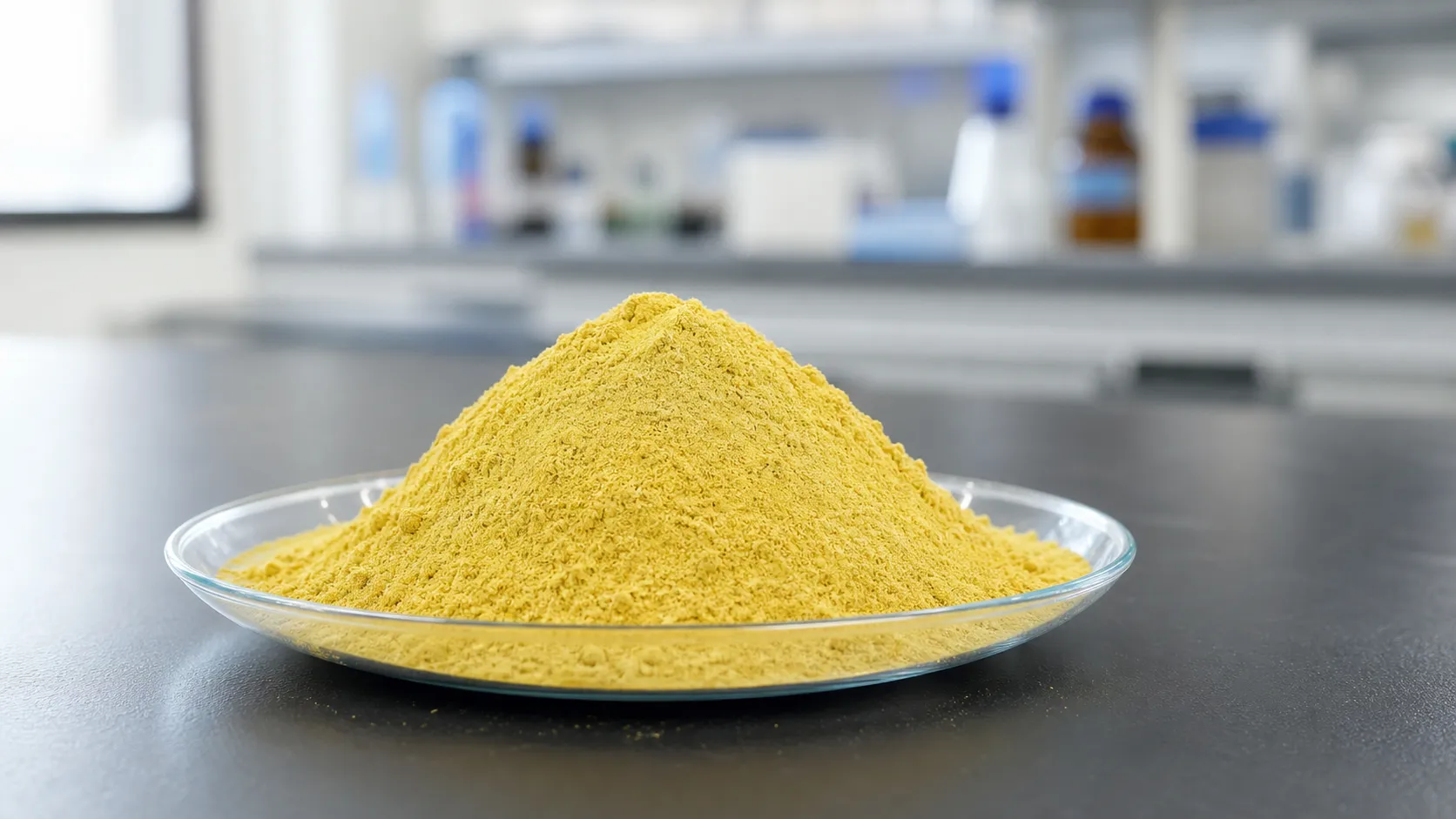
| Appearance | White powder / Granules |
| Active Content / Assay | ≥ 99.0% |
| Melting Range | 183.0°C – 187.0°C |
| Free 2,4-di-tert-butylphenol | ≤ 0.20% |
| Volatiles / Moisture | ≤ 0.30% |
| Transmittance (425 nm) | ≥ 98.0% |
| Transmittance (500 nm) | ≥ 98.0% |
| Bulk Density | 0.48 – 0.53 g/cm³ |
Solubility Parameters (g/100 g Solvent at 20°C)
Knowing exact solubility profiles is critical for liquid carrier dispersion, compounding, and masterbatch processing:
- Toluene: 30%
- Chloroform: 36%
- Dichloromethane: 36%
- Ethyl Acetate: 4%
- Water: Insoluble (< 0.01%)
How Antioxidant 168 Stabilizes Polymers During High-Heat Processing
High thermal stress during compounding and extrusion generates reactive hydroperoxides (ROOH) in polymer melts. Left unmanaged, these species drive severe structural degradation—causing chain scission in polypropylene (PP) and cross-linking in polyethylene (PE). As a high-performance secondary organophosphite antioxidant, Antioxidant 168 directly targets and neutralizes these peroxides before they destroy the polymer matrix.
Hydroperoxide Decomposition Dynamics
Antioxidant 168 functions as an efficient hydroperoxide decomposer. During high-temperature processing, its trivalent phosphorus atom actively scavenges reactive hydroperoxides (ROOH), converting them into non-radical, inactive alcohols (ROH). In doing so, the phosphite safely converts itself into an inert, non-reactive phosphate.
- Targeted Reaction: Converts active ROOH radicals into stable ROH alcohols.
- Radical Suppression: Stops thermo-oxidative degradation cycles at the root.
- Process Cleanliness: Leaves zero reactive residue inside the resin melt.
Superior Hydrolytic Stability
Standard phosphites frequently hydrolyze when exposed to ambient moisture, producing acidic byproducts that corrode processing equipment and form fish-eye gels in finished films. We engineer our hydrolytically stable phosphite with bulky 2,4-di-tert-butylphenyl groups surrounding the phosphorus core. This steric hindrance shields the molecule from moisture attack.
- No Premature Hydrolysis: Maintains chemical integrity during humid storage and melt processing.
- Machinery Protection: Eliminates acidic buildup, preventing corrosion on extruder screws, barrels, and dies.
- Gel Prevention: Stops localized acid-catalyzed resin degradation and micro-gel formation.
Melt Flow Index (MFI) & Molecular Weight Control
Maintaining strict viscosity tolerances across multiple extrusion passes is non-negotiable for compounding success. Antioxidant 168 acts as an essential polyolefin melt index stabilizer:
- In Polypropylene (PP): Suppresses beta-scission, preventing sudden MFI spikes and loss of mechanical strength.
- In Polyethylene (PE): Inhibits macro-radical cross-linking, eliminating viscosity drops and gelation during film blowing.
Color Preservation & Anti-Yellowing
Thermal oxidation causes immediate polymer discoloration, driving up the Yellowness Index (YI). Serving as an effective polymer anti-yellowing additive, Antioxidant 168 quenches chromophore-forming oxidation intermediates during high-heat processing, preserving initial brightness and optical clarity in clear or pigmented polymers.
Performance Protection Matrix
| Polymer Processing Defect | Root Cause | Antioxidant 168 Protection Mechanism | Target Result |
|---|---|---|---|
| MFI Degradation | Chain scission (PP) / Cross-linking (PE) | Decomposes hydroperoxides before radical formation | Consistent Melt Flow Index across multiple heat passes |
| Yellowing & Discoloration | Thermal-oxidative chromophores | Neutralizes thermo-oxidative color precursors | Low Yellowness Index (YI) and high optical clarity |
| Film Gels & Fish-Eyes | Phosphite hydrolysis and local resin burn | Steric hindrance blocks moisture degradation | Gel-free, smooth surface in blown film and sheet extrusion |
| Equipment Corrosion | Acidic stabilizer breakdown byproducts | High water resistance prevents phosphoric acid formation | Extended service life for compounding machinery |
Synergistic Blending Systems & Dosage Guidelines
The Synergistic 1:2 Rule
Using Antioxidant 168 alone provides solid melt processing protection, but pairing it with a primary hindered phenolic antioxidant (such as Antioxidant 1010 or Antioxidant 1076) unlocks maximum thermo-oxidative stability.
While primary antioxidants trap alkyl and peroxyl radicals to deliver long-term thermal aging resistance, Antioxidant 168 acts as a secondary hydroperoxide decomposer during high-shear compounding.
- The Golden Ratio: We recommend a benchmark ratio of 1 part primary antioxidant to 2 parts Antioxidant 168 (1:2 ratio).
- Processing Stability: Neutralizes hydroperoxides instantaneously to stop melt flow index (MFI) spikes during extrusion.
- Long-Term Color Preservation: Prevents thermal discoloration, maintaining a low yellowness index throughout severe heat histories.
Recommended Dosage Rates Table
To achieve optimal stability without risking additive blooming or plate-out, we recommend adjusting Antioxidant 168 loading based on resin chemistry and process intensity:
| Resin / Application System | Recommended Dosage (%) | Primary Technical Benefit |
|---|---|---|
| Polypropylene (PP) | 0.05% – 0.20% | Prevents polymer chain scission and viscosity drops |
| Polyethylene (PE) | 0.05% – 0.15% | Prevents cross-linking and gel formation in blown film |
| Polycarbonate (PC) | 0.10% – 0.30% | Maintains optical clarity and prevents yellowing |
| Polyamide (PA) | 0.10% – 0.25% | Controls thermo-oxidative degradation in high-heat compounding |
| Hot-Melt Adhesives & Elastomers | 0.20% – 0.50% | Viscosity stabilization and pot-life extension |
| Powder & Coil Coatings | 0.50% – 1.00% | Anti-yellowing protection during high-temperature curing |
Formulation Tip: For recycled resins, regrind compounds, or mineral-filled polyolefins (such as talc or glass-reinforced PP), shift the Antioxidant 168 addition rate toward the upper threshold to counteract increased shear degradation and active mineral surface impurities.
Polymer Compatibility & Application Scope of Antioxidant 168
We supply Antioxidant 168 to deliver broad compatibility and exceptional low volatility across commodity plastics, engineering polymers, and specialty formulations. As a secondary organophosphite processing stabilizer, it decomposes hydroperoxides generated during high-shear compounding and high-temperature molding.
Polyolefins (PP, PE, EVA)
Polyolefins face severe molecular degradation during thermal processing. Antioxidant 168 shields polyolefin melts against chain scission and gelation.
- Polypropylene (PP): Prevents melt flow index (MFI) degradation and chain scission during the extrusion of BOPP films, injection-molded parts, and fiber spining.
- Polyethylene (HDPE, LLDPE, LDPE): Suppresses cross-linking, viscosity buildup, and gel formation (fish-eyes) in blown films, geomembranes, and pipe extrusion.
- Ethylene-Vinyl Acetate (EVA): Maintains thermal stability during compounding and solar cell encapsulant film processing.
Engineering Thermoplastics (PC, PA, PET, PBT)
High-temperature engineering resins require secondary stabilizers capable of enduring melt temperatures exceeding 280°C without outgassing or turning dark.
- Polycarbonate (PC): Preserves optical transparency, prevents yellowing, and protects original molecular weight during molding.
- Polyamides (PA 6, PA 66): Retains melt viscosity and prevents thermo-oxidative discoloration in glass-filled structural compounds.
- Polyesters (PET, PBT): Maintains physical strength and surface finish in high-heat electronics and automotive parts.
Styrenics & Elastomers (HIPS, ABS, SBS, SEBS)
Unsaturated polymer backbones in styrenics and block copolymers are highly susceptible to oxidation and gelation.
- HIPS & ABS: Prevents core thermal yellowing, protecting original base color and surface gloss.
- Elastomers (SBS, SEBS): Inhibits oxidative cross-linking and maintains melt flow consistency during hot-melt compounding.
Adhesives, Sealants & Coatings
- Hot-Melt Adhesives: Stabilizes melt viscosity and pot life at elevated application temperatures while preventing surface skinning.
- Powder & Coil Coatings: Acts as an effective anti-yellowing additive during high-temperature oven curing cycles.
Quality Assurance & Global Regulatory Compliance
Off-spec additives cause severe melt instability and costly downtime. We eliminate batch-to-batch variation for Antioxidant 168 through strict pre-shipment lab verification, giving compounding engineers full confidence in every run.
100% Batch Quality Control
We test every single lot in our laboratory to ensure our secondary organophosphite antioxidant meets tight quality tolerances before dispatch.
| Quality Metric | Test Method | Target Specification |
|---|---|---|
| Active Assay / Purity | HPLC | ≥ 99.0% |
| Melting Range | Capillary Method | 183.0°C – 187.0°C |
| Color Transmittance (425 nm) | Spectrophotometry | ≥ 98.0% |
| Color Transmittance (500 nm) | Spectrophotometry | ≥ 98.0% |
| Free 2,4-di-tert-butylphenol | GC | ≤ 0.20% |
| Volatiles / Moisture | Gravimetric | ≤ 0.30% |
Regulatory Compliance Framework
Meeting international environmental and safety standards is straightforward when sourcing Antioxidant 168 (CAS 31570-04-4) from us. We maintain active compliance for global distribution:
- FDA 21 CFR Clearance: Certified as a safe FDA food contact plastic antioxidant under 21 CFR 178.2010 for indirect food contact packaging.
- EU REACH Registered: Fully registered for bulk import and unrestricted supply throughout Europe.
- RoHS & REACH SVHC Free: Contains zero heavy metals, polybrominated biphenyls, or Substances of Very High Concern.
Documentation & Compliance Access
We support your raw material audits with complete technical documentation ready for download with every order:
- Technical Data Sheet (TDS): Comprehensive processing guides, physical metrics, and recommended dosages.
- Safety Data Sheet (SDS / MSDS): Updated, GHS-aligned safety, storage, and handling protocols.
- Certificate of Analysis (COA): Batch-specific lab test results issued directly with every shipment.
Antioxidant 168 Packaging, Storage & Global Logistics
We supply Antioxidant 168 in optimized physical forms and protective packaging designed to maintain strict chemical purity and prevent moisture absorption during long-distance transit. Whether your compounding plant utilizes automated pneumatic systems or manual addition, we deliver flexible packaging formats to match your production line requirements.
Available Forms & Packaging Specifications
| Specification | Free-Flowing Powder (PW) | Low-Dust Granules (FF) |
|---|---|---|
| Physical Form | White free-flowing powder | Compact, low-dust free-flowing granules |
| Feeding Compatibility | Standard powder dosing equipment | Automatic loss-in-weight compounding feeders |
| Primary Packaging | 25 kg composite kraft paper bag with PE inner liner | 25 kg composite kraft paper bag with PE inner liner |
| Bulk Packaging | 500 kg / 1,000 kg bulk super-sacks (FIBC) | 500 kg / 1,000 kg bulk super-sacks (FIBC) |
| Palletization | Stretch-wrapped, shrink-hooded wood pallets | Stretch-wrapped, shrink-hooded wood pallets |
Storage Guidelines & Shelf Life
As a secondary organophosphite stabilizer, Antioxidant 168 requires proper handling to preserve its hydrolytic stability prior to compounding.
- Warehouse Conditions: Keep stored in a cool, dry, and well-ventilated area away from direct heat sources, strong radiation, and excessive humidity.
- Moisture Protection: Always keep packages sealed. Exposure to open atmospheric moisture can induce slow hydrolysis into 2,4-di-tert-butylphenol.
- Shelf Life Guarantee: 12 to 24 months from the date of manufacture when stored unopened in original factory packaging at temperatures below 30°C.
Global Supply Chain & Shipping Capabilities
We manage direct factory dispatch to simplify raw material procurement and guarantee delivery schedules.
- Standard Loading Capacity: 10 MT per 20' FCL (palletized with 25 kg bags) or up to 12 MT unpalletized to optimize ocean freight efficiency.
- Direct Factory Dispatch: Every batch ships directly from our factory warehouse with complete traceability and sealed moisture barriers.
- Buffer Management: We offer localized buffer stock programs and emergency consignment inventory to safeguard long-term compounding clients against global shipping disruptions.
Direct Factory Procurement & Bulk RFQ Inquiry
Why Source Antioxidant 168 from Greenlano
We supply Antioxidant 168 directly from our chemical production facilities to global polymer compounders, masterbatch manufacturers, and resin producers. Eliminating third-party brokers allows us to deliver consistent material quality, verified batch purity, and direct manufacturer pricing.
- Direct Factory Supply: Uninterrupted batch manufacturing with stable bulk supply capabilities for global containerized shipments.
- 24-Hour Response SLA: Our commercial and technical support teams process inquiries, pricing requests, and technical documentation (TDS, SDS, COA) within 24 hours.
- Tailored Physical Forms & Pre-Blends: We provide standard powder (PW), low-dust free-flowing granules (FF), and custom binary pre-blends (such as Antioxidant B215 system formulations).
Fast Quote Inquiry Checklist
To streamline your Request for Quote (RFQ) process and receive an accurate bulk price calculation, submit the following requirements with your inquiry:
| Inquiry Parameter | Standard Field Selection |
|---|---|
| Target Application | Polyolefins (PP/PE), Engineering Plastics (PC/PA), Styrenics, Adhesives, or Coatings |
| Physical Form | Powder (PW) or Low-Dust Granules (FF) |
| Quantity Required | Metric Tons (MT) for spot orders or annual supply contracts |
| Packaging Preference | 25 kg composite kraft paper bags or 500 kg / 1,000 kg bulk super-sacks |
| Logistics & Incoterms | FOB, CFR, CIF, or DDP (including destination port or facility zip code) |
Frequently Asked Questions About Antioxidant 168
Primary Antioxidant 1010 vs Secondary Antioxidant 168
Primary phenolic antioxidants like Antioxidant 1010 act as free-radical scavengers to provide long-term thermal stability during the finished product's service life. Antioxidant 168 is a secondary organophosphite antioxidant that functions as a hydroperoxide decomposer during high-temperature melt processing. We recommend pairing them in a 1:2 ratio (such as in Antioxidant B215) for complete thermal-oxidative protection.
| Specification Feature | Antioxidant 1010 (Primary) | Antioxidant 168 (Secondary) |
|---|---|---|
| Chemical Class | Sterically hindered phenol | Secondary organophosphite |
| Primary Function | Long-term thermal aging protection | Processing & melt-flow stabilization |
| Action Mechanism | Scavenges alkyl peroxyl radicals (ROO•) | Decomposes hydroperoxides (ROOH) |
| CAS Registry Number | 6683-19-8 | 31570-04-4 |
FDA Food Contact Compliance
Yes. Our Antioxidant 168 (Tris(2,4-di-tert-butylphenyl) phosphite) fully complies with FDA 21 CFR 178.2010 regulations for indirect food contact. It is approved for use in polyolefins, engineering thermoplastics, and hot-melt adhesives intended for food packaging up to maximum specified dosage limits. It is also fully EU REACH registered and RoHS / REACH SVHC free.
Polyolefin Melt Index (MFI) Protection
During high-shear extrusion, polymers generate active hydroperoxides (ROOH) that drive melt degradation. Antioxidant 168 rapidly converts these hydroperoxides into inert alcohols (ROH) while oxidizing itself into a stable phosphate. This prevents:
Chain Scission in Polypropylene (PP): Prevents sharp MFI increases, loss of mechanical strength, and polymer embrittlement.
Cross-Linking in Polyethylene (PE): Prevents MFI drops, melt-fracture gel formation, and surface defects in blown films.
Direct Drop-In Market Equivalents
Our high-purity Antioxidant 168 (CAS 31570-04-4) serves as a direct, seamless drop-in replacement for top international brand grades without requiring masterbatch re-formulation:
- Irgafos 168 equivalent (BASF)
- Songnox 1680 substitute (Songwon)
- Alkanox 240 alternative (SABIC / Dover Chemical)
- Everfos 168 replacement (Everlight Chemical)
Storage Guidelines for Maximum Hydrolytic Stability
As a hydrolytically stable phosphite processing stabilizer, Antioxidant 168 features bulky sterically hindered phenol groups to resist moisture. However, prolonged exposure to atmospheric humidity can cause hydrolysis into free 2,4-di-tert-butylphenol. Follow these storage parameters to guarantee a 24-month shelf life:
- Environment: Store in a cool, dry, well-ventilated warehouse below 30°C.
- Packaging Seal: Keep original PE-lined composite kraft paper bags or bulk super-sacks tightly sealed until immediate production use.
- Open Containers: Reseal partially used bags immediately to prevent ambient moisture absorption.
Related Sources
- https://www.baoxuchem.com/wp-content/uploads/2019/09/%E6%9D%BE%E5%8E%9F%E6%8A%97%E6%B0%A7%E5%89%82Songnox-1680%E4%BA%A7%E5%93%81%E6%8A%80%E6%9C%AF%E8%B5%84%E6%96%99%E5%AE%9
- https://www.baoxuchem.com/wp-content/uploads/2019/09/%E6%9D%BE%E5%8E%9F%E6%8A%97%E6%B0%A7%E5%89%82Songnox-1680%E4%BA%A7%E5%93%81%E6%8A%80%E6%9C%AF%E8%B5%84%E6%96%99%E5%AE%9D%E6%97%AD%E5%8C%96%E5%B7%A5.pdf
- https://hpvchemicals.oecd.org/UI/handler.axd?id=cfda1bb7-ec51-4010-bc84-2