Formula details
Product Details
Overview
Are you struggling to maintain melt flow stability and prevent yellowing during high-temperature thermoplastic processing? Polymer degradation during extrusion or injection molding can ruin your resin quality, leading to costly batch failures.
We supply Antioxidant 168, a premium organophosphite processing stabilizer engineered to protect polymers against thermal oxidation. It reacts with hydroperoxides formed during processing, preserving molecular weight and physical properties.
Product Overview & Core Chemical Identity
Antioxidant 168 is a secondary hydrolytically stable phosphite antioxidant. It works as an effective hydroperoxide decomposer during thermoplastic melt-processing operations.
- Chemical Name: Tris(2,4-di-tert-butylphenyl) phosphite
- CAS Number: 31570-04-4
- Molecular Formula: C42H63O3P
- Molecular Weight: 646.92 g/mol
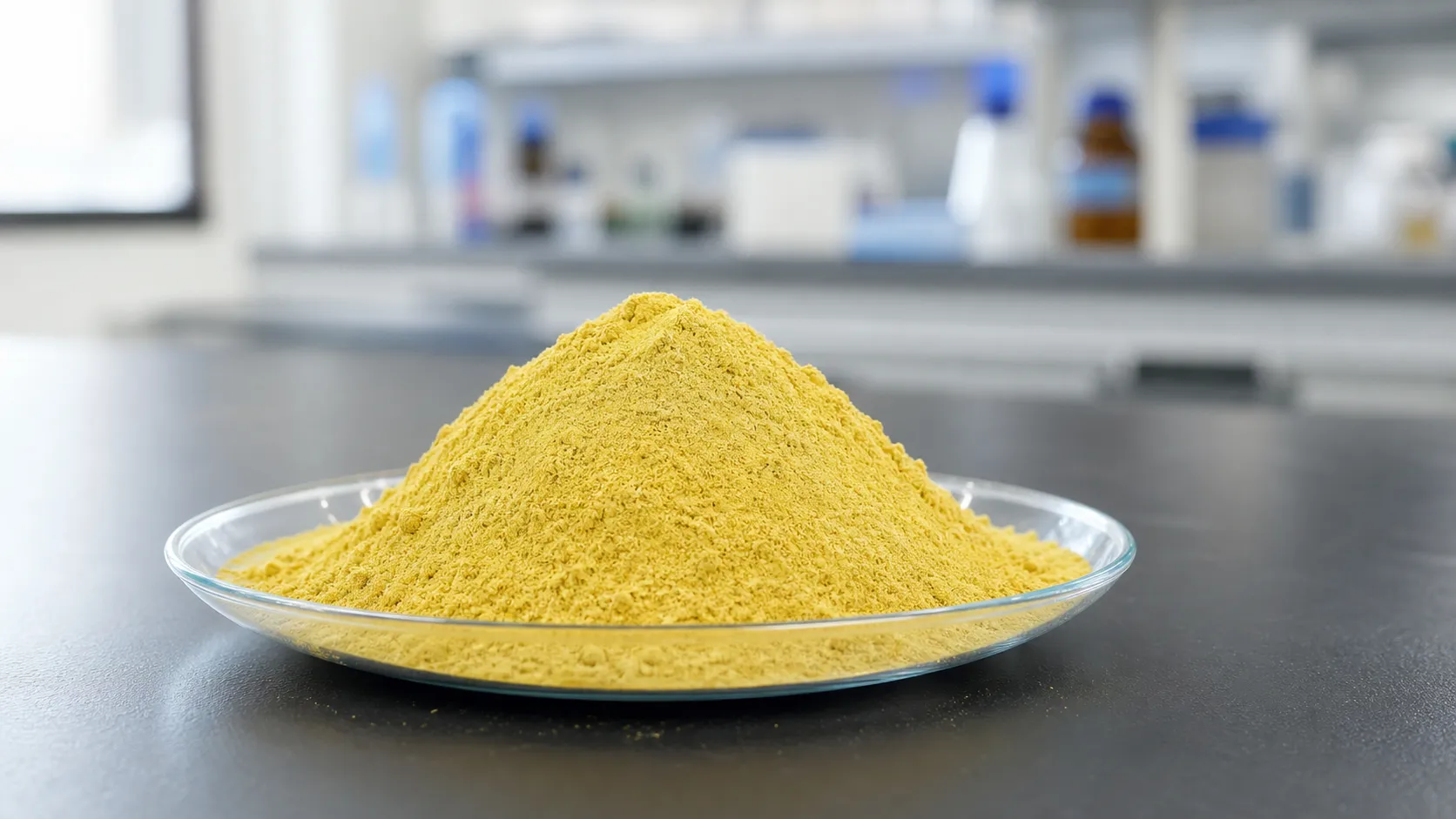
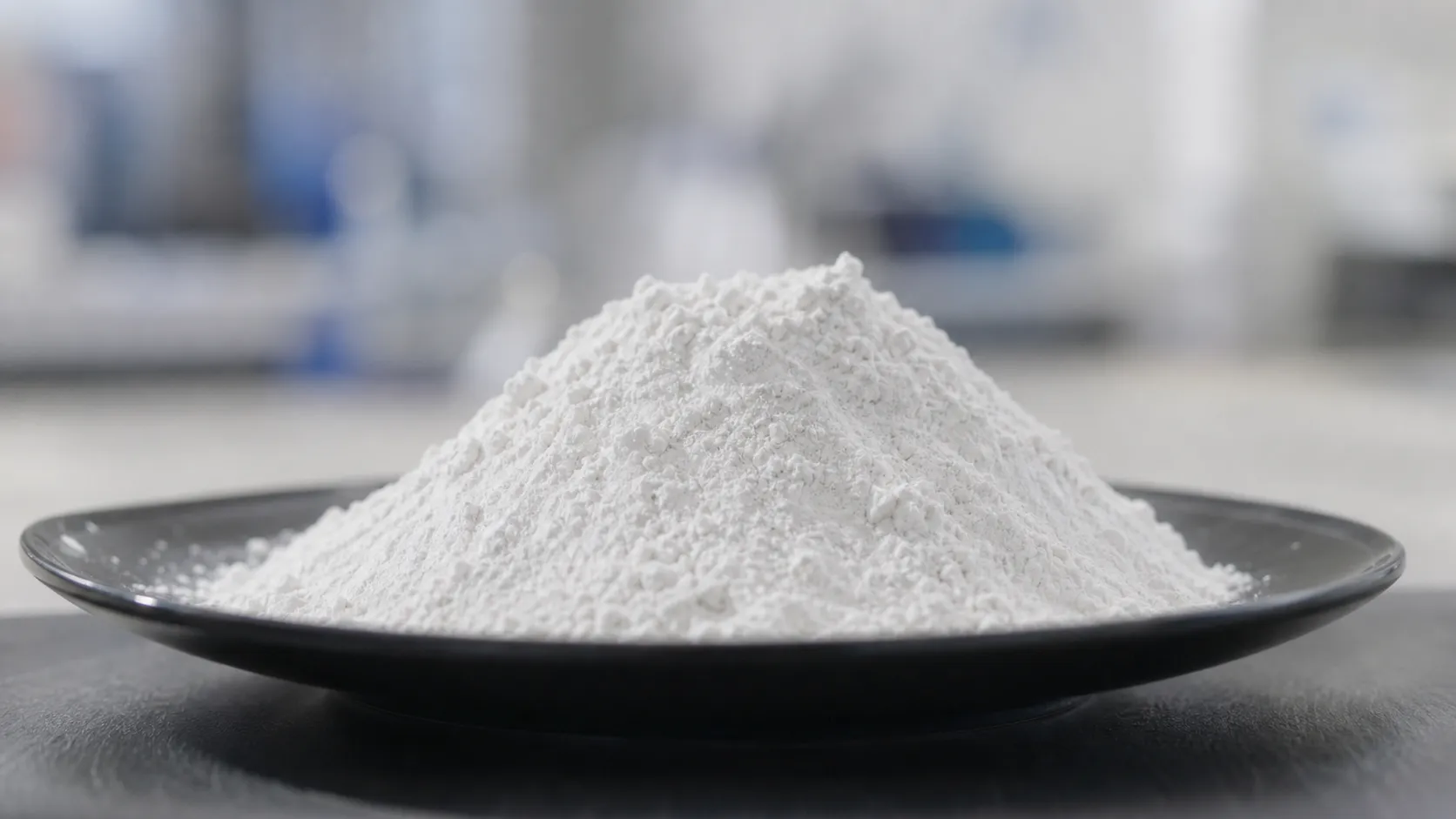
- Appearance: Free-flowing white powder or granular form
It offers low volatility, high resistance to hydrolysis, and exceptional thermal stability, making it an industry standard for polyolefins and engineering plastics.
Equivalent Market Trade Names
We provide direct technical equivalents to major global brand additives, delivering identical performance, quality, and regulatory compliance at competitive sourcing costs:
- Irgafos 168 (BASF)
- Alkanox 240 (SI Group)
- Songnox 1680 (Songwon)
- Doverphos S-480 (Dover Chemical)
Chemical & Structural Identifier Summary Table
| Property / Identifier | Value / Specification |
|---|---|
| Main Active Ingredient | Tris(2,4-di-tert-butylphenyl) phosphite |
| CAS 31570-04-4 | Primary Registered Number |
| EINECS / ELINCS No. | 250-709-6 |
| Melting Point Range | 183.0°C – 187.0°C |
| Active Content Assay | ≥ 99.0% |
| Volatile Matter | ≤ 0.3% |
| Clarity of Solution (10g/100ml Toluene) | Clear solution (Transmittance ≥ 98%) |
| Main Function | Secondary Antioxidant / Hydroperoxide Decomposer |
Greenlano® Technical Specifications & Quality Control Standard
We enforce strict quality control standards for our Greenlano® Antioxidant 168 to ensure consistent performance during high-temperature thermoplastic melt-processing stabilization. Every batch aligns with the exact requirements of global polymer compounding facilities.
Technical Data Sheet (TDS) Specifications
Our Antioxidant 168 Technical Data Sheet (TDS / MSDS) outlines the precise chemical and physical boundaries that define our premium grade organophosphite processing stabilizer.
| Parameter | Specification Standard |
|---|---|
| Appearance | White powder or granular |
| Chemical Name | Tris(2,4-di-tert-butylphenyl) phosphite |
| CAS Number | CAS 31570-04-4 |
| Assay (GC) | ≥ 99.0% |
| Volatiles | ≤ 0.3% |
| Acid Value (mg KOH/g) | ≤ 0.3 |
| Free 2,4-di-tert-butylphenol | ≤ 0.2% |
| Melting Point | 181°C - 184°C |
| Transmittance (425 nm) | ≥ 96.0% |
| Transmittance (500 nm) | ≥ 98.0% |
Solubility Profile (20°C g/100g Solvent)
Understanding the solubility profile of this secondary antioxidant hydroperoxide decomposer is essential for proper polyolefin additive mixing and masterbatch production. The data below shows the solubility of Antioxidant 168 across common industrial solvents at 20°C:
- Chloroform: 36.0 g
- Methylene Chloride: 34.0 g
- Toluene: 30.0 g
- Hexane: 11.0 g
- Ethyl Acetate: 4.0 g
- Acetone: 1.0 g
- Water: < 0.01 g
- Alcohol: < 0.1 g
Mechanism of Action & Synergistic Performance
Polymer degradation happens fast during high-temperature processing. When heat and shear stress break down polymer chains, free radicals form and react with oxygen to create hydroperoxides. Left unchecked, these hydroperoxides cause chain scission, cross-linking, discoloration, and loss of mechanical strength.
We supply Antioxidant 168 to stop this degradation cycle before it ruins your polymer melt.
Secondary Phosphite Hydroperoxide Decomposition
As an organophosphite processing stabilizer, Antioxidant 168 functions as a secondary antioxidant. It targets hydroperoxides ($ROOH$) generated during melt-processing and converts them into stable, non-radical alcohols while oxidizing itself into a harmless phosphate.
- Prevents Polymer Chain Degradation: Reduces melt flow index (MFI) changes during extrusion and injection molding.
- Protects Color Integrity: Prevents yellowing caused by thermal oxidation during processing.
- Low Volatility: Stays inside the polymer matrix even at elevated processing temperatures above 300°C.
| Reaction Stage | Role of Antioxidant 168 | Result |
|---|---|---|
| Hydroperoxide Formation | Reacts directly with active $ROOH$ species | Prevents radical propagation |
| Reduction Phase | Transforms hydroperoxides into inert alcohols | Halts polymer chain scission |
| Decomposition Output | Converts to stable triaryl phosphate | Maintains melt stability |
The 1:2 Synergistic Combination (Primary + Secondary Antioxidants)
Using a secondary antioxidant alone isn't enough for long-term thermal stability. Combining Antioxidant 168 with a primary hindered phenolic antioxidant (like Antioxidant 1010) creates a powerful synergistic system.
We typically recommend a 1:2 ratio (Primary AO to Secondary AO) for maximum stabilization during both processing and final product end-use.
- Primary Antioxidants (e.g., AO 1010): Scavenge free radicals ($R•, ROO•$) to provide long-term thermal stability.
- Secondary Antioxidant (AO 168): Decomposes hydroperoxides ($ROOH$) during melt processing to protect the primary antioxidant from premature consumption.
- The Synergistic Effect: The dual-action system delivers better color retention, higher melt stability, and extended product service life than either additive used in isolation.
Industrial Applications & Substrates for Antioxidant 168
We see firsthand how crucial polymer stability is during high-temperature manufacturing. As an industry-leading Organophosphite Processing Stabilizer, our Greenlano® Antioxidant 168 provides exceptional Thermoplastic Melt-Processing Stabilization across a massive variety of commercial resins. If your polymer melt faces extreme shear and heat, this additive prevents degradation right at the compounding stage.
Polyolefin Compounding (PE & PP)
Polyolefins are highly sensitive to thermal degradation during extrusion and injection molding. Greenlano® Antioxidant 168 acts as a high-performance Polyolefin Additive (PE / PP / ABS) to protect the structural integrity of the polymer matrix.
- Polypropylene (PP): Prevents severe macro-radical chain scission, which otherwise causes a runaway melt flow index (MFI) and brittle final parts.
- Polyethylene (HDPE, LLDPE): Suppresses unwanted polymer cross-linking, eliminating gels, fish-eyes, and rough surfaces in blown films and pipe extrusions.
- Benefits: Guarantees excellent plastics thermal color retention, keeping your recycled or virgin resins from yellowing.
Engineering Plastics & Styrenic Polymers
High-heat engineering resins demand an additive with low volatility and high thermal stability. We supply this stabilizer to maintain physical properties in demanding polymer networks.
- Styrenics (ABS, PS, HIPS): Guards against thermal yellowing and impact strength loss during high-shear compounding.
- Engineering Resins: Extends the processing window for Polycarbonate (PC), Polyesters (PET/PBT), and Polyamides (PA), ensuring the polymer does not lose molecular weight when hitting peak processing temperatures.
Coatings, Adhesives & Elastomers
Beyond rigid plastics, our chemical processing stabilizer protects flexible and liquid substrates that undergo thermal cycling or long-term heat exposure.
- Hot-Melt Adhesives (HMAs): Prevents viscosity drops, skinning, and charring in the tank during prolonged heating.
- Elastomers (BR, SBR, SBS, SIS): Inhibits thermal cross-linking and cracking during compounding and vulcanization.
- Polyurethane & Coatings: Maintains clear color profiles and structural flexibility in high-bake industrial coatings.
Recommended Dosage Matrix & Processing Guidelines
Finding the right loading level for Antioxidant 168 keeps your polymer properties intact and prevents yellowing or degradation during high-heat processing. The precise addition rate depends on your base resin, processing temperatures, and final application requirements.
Application Dosage Matrix
Below are our recommended loading levels for typical resin systems and end-use products:
| Polymer / Application | Recommended Dosage (wt%) | Key Performance Objective |
|---|---|---|
| Polyethylene (LDPE, LLDPE, HDPE) | 0.05% – 0.15% | Controls melt flow index (MFI) drift during extrusion and blown film production. |
| Polypropylene (PP Resins & Compounds) | 0.10% – 0.25% | Prevents chain scission and maintains viscosity during high-temperature molding. |
| Engineering Plastics (PC, PA, PET) | 0.05% – 0.20% | Protects molecular weight and heat stability during compounding and molding. |
| Styrenic Polymers (ABS, HIPS, PS) | 0.10% – 0.30% | Retains original color and prevents thermal degradation during sheet extrusion. |
| Recycled Plastics (PCR / PIR Blends) | 0.15% – 0.40% | Re-stabilizes degraded polymer chains during re-pelletization. |
Note: For demanding high-heat processing above 280°C, target the upper end of the dosage range to ensure complete melt stabilization.
Key Processing Guidelines for Optimal Blending
To get the best protection out of Antioxidant 168, follow these operational guidelines during compounding:
- Use a 1:2 Synergistic Blend: Pair 1 part primary hindered phenolic stabilizer (such as Antioxidant 1010) with 2 parts secondary phosphite stabilizer (Antioxidant 168). This combination gives you both long-term thermal stability and instant melt protection.
- Ensure Even Dispersion: Add the powder or low-dust granule form directly into the high-speed mixer with your base resin to ensure homogeneous distribution before extrusion.
- Feed Line Temperature: Maintain feed line temperature controls. Antioxidant 168 melts between 183°C and 187°C, allowing it to dissolve smoothly into the polymer melt matrix without forming unmelted specks.
- Masterbatch Preparation: When using a concentrated masterbatch, maintain a 5% to 15% loading level in the carrier resin, ensuring thorough dispersion for downstream let-down.
Regulatory Compliance, Safety & Environmental Properties
Navigating global chemical regulations can be a headache, but we make compliance straightforward for your polymer formulations. Antioxidant 168 (CAS 31570-04-4) meets strict global environment, health, and safety standards, ensuring your products easily clear regulatory hurdles worldwide.
Regulatory Certifications
We ensure our Greenlano® Antioxidant 168 meets top global compliance guidelines so you can export your compounds anywhere with confidence:
- FDA Food Contact Approval: Complies with 21 CFR 178.2010 for indirect food contact, making it safe for food packaging applications.
- EU REACH Registered: Fully compliant with EU REACH requirements for safe import and distribution across European markets.
- Global Inventory Listed: Listed on TSCA (USA), DSL (Canada), ENCS (Japan), IECSC (China), and KECL (South Korea).
- RoHS & REACH SVHC Compliant: Free of heavy metals, phthalates, and substances of very high concern.
EHS, Handling & Storage
As an organophosphite processing stabilizer, handling Antioxidant 168 requires basic standard industrial hygiene practices to maintain maximum purity and efficacy:
- Hydrolytic Care: Store in a cool, dry, and well-ventilated area. Keep packaging tightly sealed to prevent moisture absorption and hydrolysis.
- Dust Control: Use standard local exhaust ventilation during transfer to minimize airborne dust generation and electrostatic build-up.
- Personal Protection: Wear standard PPE, including protective gloves, safety glasses with side shields, and a dust mask during bulk handling.
- Recommended Shelf Life: 24 months from the date of manufacture when stored in unopened, original packaging away from direct heat and moisture.
Greenlano® Supply Chain & Global Procurement Advantages
We manage a bulletproof global supply chain to ensure your production lines never experience downtime. As your direct bulk chemical polymer additive supplier, we maintain deep safety stocks and strategic warehousing to buffer against market volatility and shipping bottlenecks, delivering Antioxidant 168 exactly when and where you need it.
Packaging Options
We provide standardized, moisture-resistant packaging engineered to preserve the hydrolytic stability of our processing stabilizer during long-distance transit and extended storage.
| Packaging Type | Net Weight | Construction / Features | Best Used For |
|---|---|---|---|
| Heavy-Duty Bags | 25 kg (55.1 lbs) | Multi-wall paper with PE inner liner | Standard compounding & batch operations |
| FIBC Bulk Bags (Super Sacks) | 500 kg / 1,000 kg | UV-stabilized woven PP with anti-static liner | High-volume continuous polyolefin extrusion |
| Custom Palletization | Per request | ISPM-15 compliant pallets with heavy stretch-wrap | Strict international sea freight requirements |
Greenlano Chemical Sourcing Commitments
We do not just ship products; we guarantee performance and compliance. Every shipment of our Tris(2,4-di-tert-butylphenyl) phosphite meets rigorous global quality baselines.
- Strict Batch Consistency: Every lot undergoes strict quality control testing to guarantee high purity and minimal volatile content before leaving our facility.
- Full Regulatory Transparencies: We provide complete documentation, including up-to-date Technical Data Sheets (TDS), safety data sheets, and compliance certificates for food-contact applications.
- On-Demand Technical Support: Our engineering team helps you optimize your synergistic antioxidant blend ratios directly within your specific manufacturing setup.
FAQ: Antioxidant 168
What is the difference between Antioxidant 168 and Antioxidant 1010?
We get this question all the time. While both are essential polymer additives, they play completely different roles in protecting your plastics. Antioxidant 168 is an organophosphite processing stabilizer (secondary antioxidant) that works fast to protect the polymer melt during high-heat extrusion and molding. Antioxidant 1010 is a hindered phenolic antioxidant (primary antioxidant) that provides long-term thermal stability to the finished product during its actual lifespan.
| Feature | Antioxidant 168 | Antioxidant 1010 |
|---|---|---|
| Antioxidant Type | Secondary Antioxidant | Primary Antioxidant |
| Primary Role | Thermoplastic melt-processing stabilization | Long-term thermal aging protection |
| Mechanism | Hydroperoxide decomposer | Free radical scavenger |
| Best Used For | Preventing yellowing and viscosity changes during processing | Preventing cracking and brittle failure over time |
Is Greenlano® Antioxidant 168 hydrolytically stable?
Yes. Older generations of phosphite stabilizers used to degrade quickly when exposed to moisture, leading to clogged filters and white powder buildup. We manufacture Greenlano® Antioxidant 168 (CAS 31570-04-4) with high chemical purity to ensure excellent hydrolytic stability. It resists moisture absorption during storage and compounding, keeping your production lines running smoothly without unexpected downtime.
Can Greenlano® Antioxidant 168 be used in food packaging?
Absolutely. Our Greenlano® Antioxidant 168 meets strict international regulatory standards, including FDA indirect food contact approval (21 CFR 178.2010). It is completely safe and widely used in food-grade polyolefin packaging (PE, PP), food containers, and stretch films across the global market.
What is the shelf life and proper storage condition for Antioxidant 168?
When stored correctly, our Tris(2,4-di-tert-butylphenyl) phosphite powder or granules have a shelf life of 24 months from the date of manufacture.
To keep the material in peak condition, follow these quick storage rules:
Store in the original, unopened packaging.
Keep containers in a cool, dry, and well-ventilated warehouse.
Avoid direct sunlight, extreme heat, and high humidity levels.
Pallets should be kept off the ground to prevent moisture migration from floor surfaces.