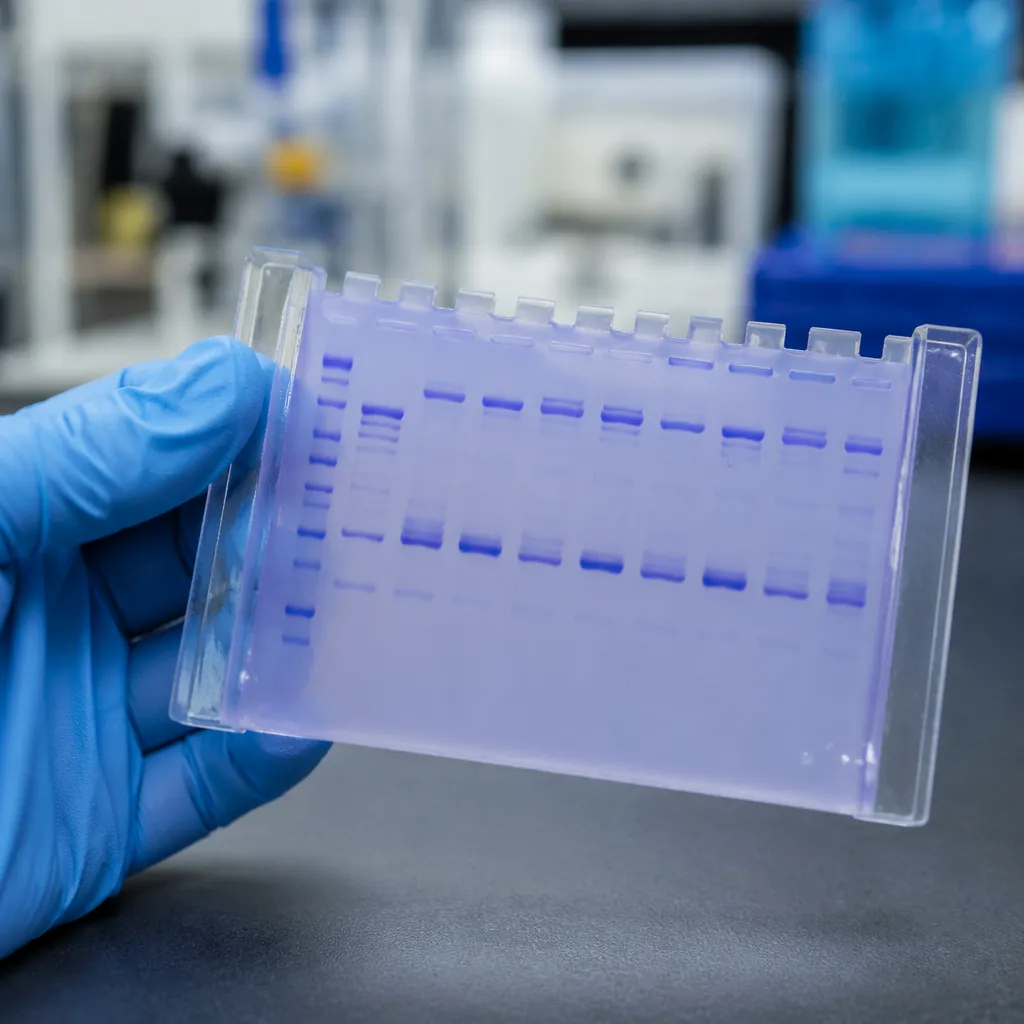
Formula details
Product Details
Overview
Are inconsistent polymer performance, rising middleman markups, and delayed batch verification stalling your industrial output? We know that fluctuating chemical specs and unannounced supply disruptions create immediate operational bottlenecks. At Greenlano, we solve these supply chain anxieties by delivering direct-factory quality you can rely on every single day.
Polyacrylamide Overview & Core Specifications
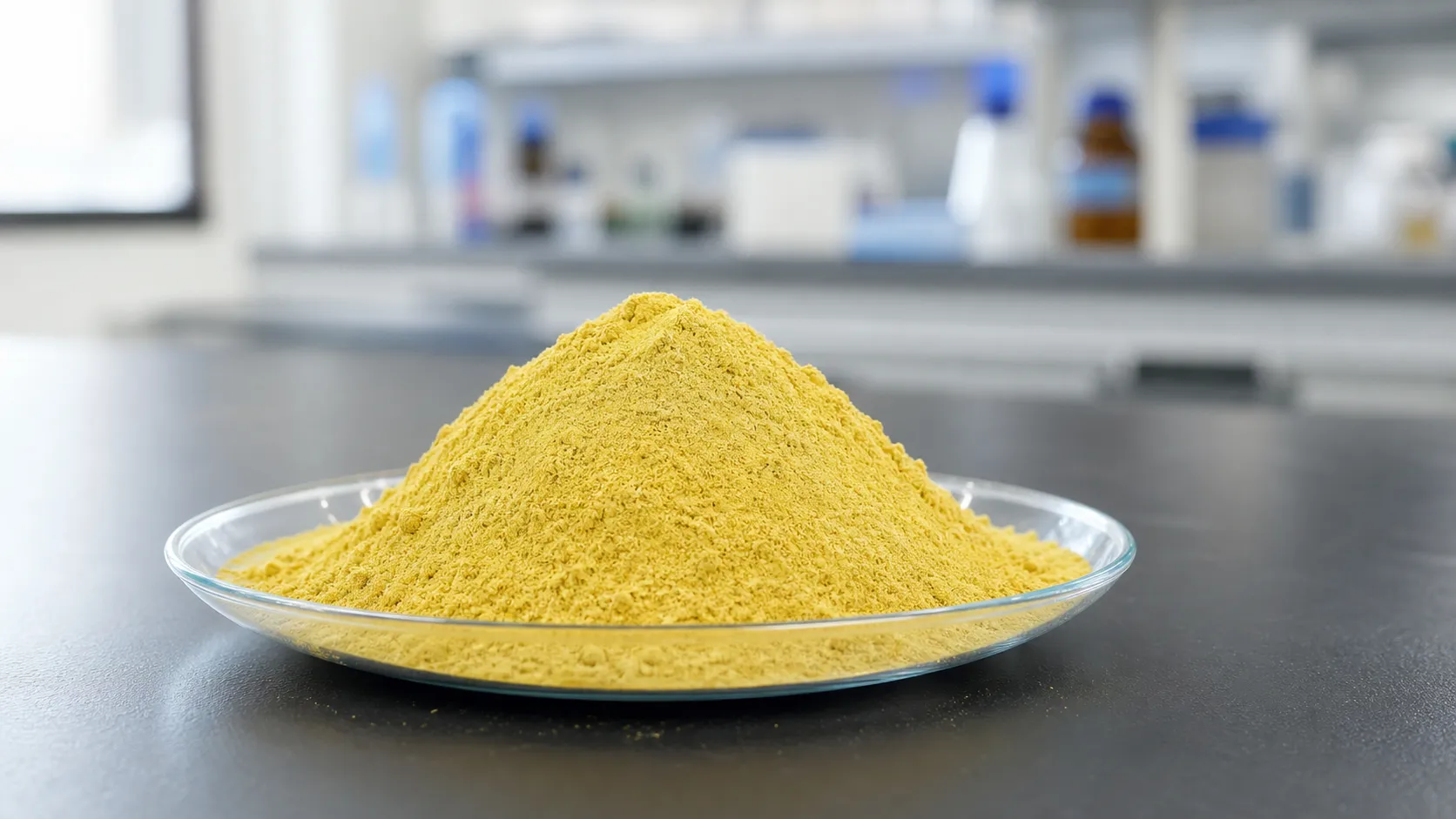
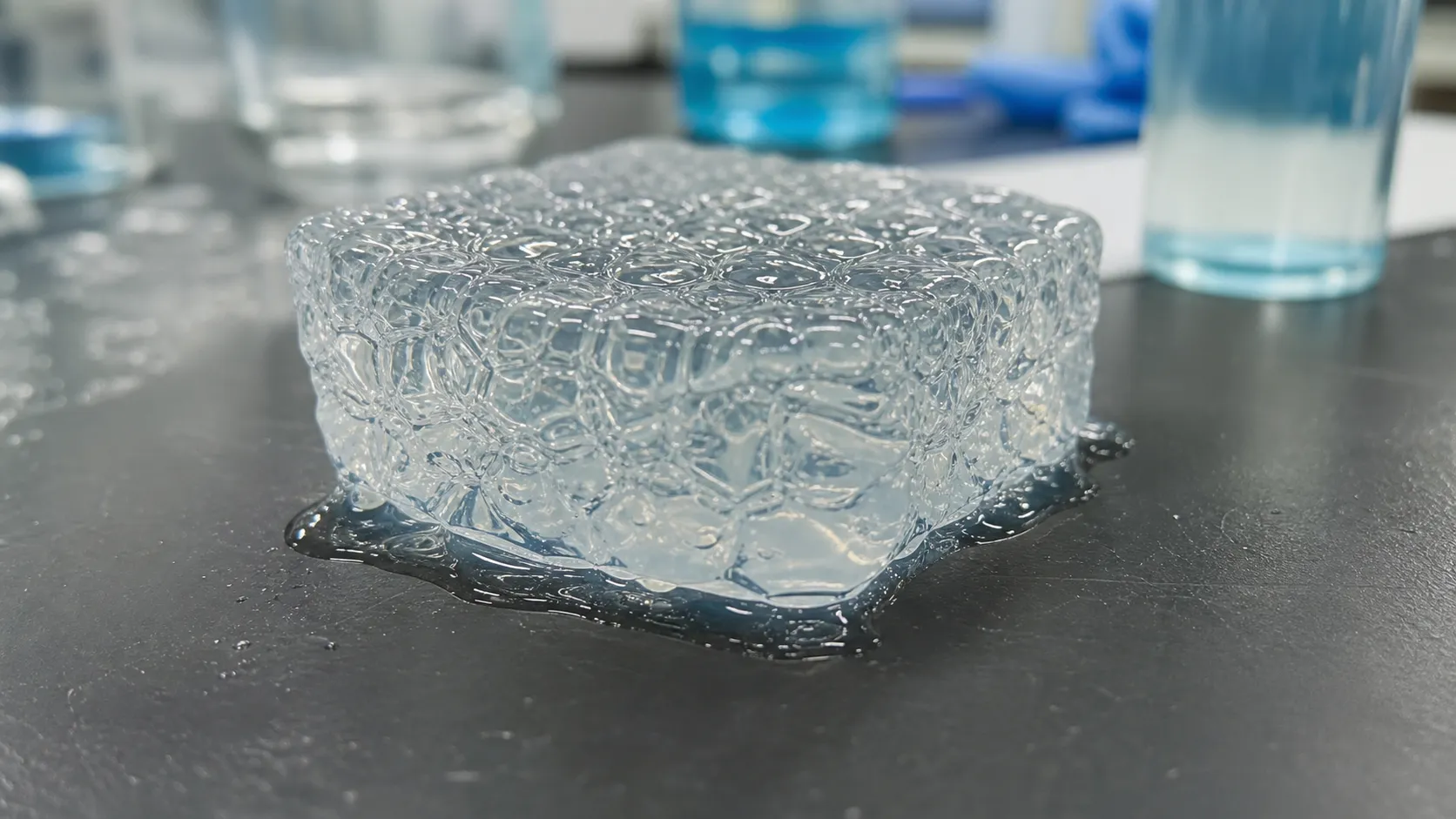
Polyacrylamide (PAM) is a high-performance, water-soluble polymer specifically engineered for industrial flocculation, fluid rheology modification, and rapid solid-liquid separation.
- Accelerates particle aggregation by building high-density flocs that settle rapidly out of complex industrial slurry streams.
- Modifies solution viscosity to deliver precise friction reduction and flow control in high-shear systems.
- Optimizes dewatering efficiency to significantly reduce mechanical energy costs and overall cake moisture levels.
The Greenlano Direct-Factory Advantage
We eliminate traditional agent networks to protect both your operational stability and your bottom line:
- Eliminate distribution markups by securing direct factory pricing that maximizes your operational procurement budget.
- Ensure 100% batch consistency through automated polymer synthesis and rigorous quality verification protocols on every shipment.
- Secure transparent documentation with full lot traceability, real-time dispatch updates, and pre-shipment laboratory validation.
Polyacrylamide Quick Reference Identifier
| Parameter | Product Specification |
|---|---|
| Chemical Name | Polyacrylamide (PAM) |
| CAS Registry Number | CAS 9003-05-8 |
| Molecular Formula | (C3H5NO)n |
| Available Physical Forms | Free-Flowing Granular Powder, High-Solid Emulsion |
| Standard Documentation | Batch COA, Global MSDS/SDS, Comprehensive TDS |
Polyacrylamide Technical Parameters & Product Grade Matrix
We engineer our Greenlano Polyacrylamide variants to match specific particle charge profiles, optimizing dosage efficiency and lowering overall operating costs.
Polyacrylamide Grade Comparison Matrix
| Product Variant | Charge Type | Molecular Weight (Million) | Charge Density / Hydrolysis | Solid Content | Core Industrial Applications |
|---|---|---|---|---|---|
| Greenlano APAM | Anionic | 10 – 25 | 10% – 40% Hydrolysis | ≥ 88% | Mineral processing, industrial wastewater, EOR |
| Greenlano CPAM | Cationic | 8 – 15 | 5% – 80% Ionicity | ≥ 88% | Municipal sewage, sludge dewatering, paper mills |
| Greenlano NPAM | Non-Ionic | 8 – 12 | ≤ 5% Hydrolysis | ≥ 88% | Acidic wastewater, textile sizing, soil conservation |
Particle Charge Matching & Specifications
- Greenlano APAM (Anionic Polyacrylamide): Delivers high molecular weight polymer bridging for negatively charged inorganic suspensions in mineral processing, industrial wastewater, and enhanced oil recovery (EOR).
- Greenlano CPAM (Cationic Polyacrylamide): Neutralizes organic solids effectively for high-speed municipal sewage sludge dewatering polymer applications and paper mill effluent clarification.
- Greenlano NPAM (Non-Ionic Polyacrylamide): Provides superior chemical stability in low-pH environments, making it ideal for highly acidic wastewater treatment, textile warp sizing, and soil stabilization.
Polyacrylamide Applications and Operational Mechanisms
Industrial and Municipal Wastewater Treatment
We supply high-purity Polyacrylamide to optimize wastewater flocculation across municipal and industrial treatment plants.
Charge neutralization destabilizes suspended colloidal solids instantly to clarify raw influent streams.
Polymer bridging kinetics form large, dense flocs that resist high-shear forces in mechanical mixing tanks.
Efficient sludge dewatering maximizes cake dryness in belt-filter presses and decanter centrifuges.
Enhanced Oil Recovery and Drilling Fluids
In oilfield operations, our polymer formulations optimize fluid hydraulics under demanding downhole temperatures and pressures.
Viscosity modification provides superior mobility control to boost oil recovery rates in complex reservoirs.
Effective friction reduction minimizes pumping pressure loss during high-volume hydraulic fracturing treatments.
Shale stabilization prevents wellbore collapse by coating reactive clay structures during deep drilling operations.
Pulp and Paper Manufacturing
We engineer high-molecular-weight polyacrylamide retention aids to refine papermaking efficiency and sheet quality.
Fiber retention performance locks fine cellulose fibers and fillers directly onto the forming web.
Drainage acceleration speeds up web formation, allowing faster machine line speeds and lower thermal energy use.
Mining and Mineral Processing
Our tailing treatment chemicals drive rapid solid-liquid separation across coal washing, gold, and alumina refineries.
Tailing thickening acceleration compacts heavy mineral slurries quickly to clear overflow process water.
Enhanced filtration efficiency boosts cake dewatering rates, enabling fast water reuse in closed-loop systems.
Polyacrylamide Quality Assurance & Compliance
Rigorous Quality Control Standards
We eliminate supply chain risk through strict quality control protocols at every stage of production. Every shipment of our Polyacrylamide chemical comes with comprehensive verification to guarantee operational reliability in your plant.
- Batch-specific verification: We test every lot in our factory laboratory before dispatch, offering optional third-party inspection by SGS or Bureau Veritas.
- Strict monomer purity: We limit residual acrylamide monomer content to ≤ 0.05%, meeting stringent global environmental and workplace safety thresholds.
- ISO 9001 management: We execute all manufacturing processes under certified quality management systems to maintain 100% batch-to-batch stability.
- Global regulatory compliance: We hold REACH pre-registrations and adhere to international compliance frameworks, ensuring hassle-free import clearing for global enterprise buyers.
| Safety & Regulatory Metric | Compliance Standard | Testing & Verification |
|---|---|---|
| Residual Monomer Limit | ≤ 0.05% (500 ppm max) | HPLC / Gas Chromatography |
| Quality System Standard | ISO 9001 Guidelines | Annual Audits & Continuous Monitoring |
| Global REACH Compliance | Pre-Registered | Full Regulatory Documentation |
| Dispatch Documentation | COA, MSDS, and TDS Included | Lab Verification per Batch |
Packaging, Storage & Global B2B Logistics for Polyacrylamide
We deliver high-purity Polyacrylamide products using heavy-duty, moisture-sealed packaging systems engineered to prevent degradation during international ocean freight and extended storage.
Standard Packaging Options
| Packaging Type | Specifications | Target Application |
|---|---|---|
| 25kg Valve Bags | Multi-wall craft paper with PE inner liner | Ideal for manual dosing, small-batch makeup, and localized plant handling |
| FIBC Super Sacks | 750kg / 1000kg UV-stabilized woven PP bags | Built for automated dissolution systems, continuous feeding, and high-volume operations |
Handling & Storage Protocols
Maintaining polymer integrity requires proper site storage to preserve active content and ensure maximum dissolution efficiency over time.
- Moisture Protection: Store Polyacrylamide powder in dry, well-ventilated facilities because humidity exposure causes rapid clumping and product loss.
- Temperature Control: Keep warehouse temperatures below 35°C (95°F) to prevent thermal cross-linking and maintain structural polymer stability.
- Shelf Life Optimization: Sealed factory packaging retains full flocculation activity for up to 24 months under standard warehouse conditions.
- Pallet Management: Stack bags on elevated pallets with intact shrink-wrapping to prevent ground moisture absorption during storage.
Global Export & Supply Chain Reliability
Our factory-direct distribution pipeline eliminates third-party delays while offering full regulatory support for seamless cross-border customs clearance.
- Direct Port Shipping: We dispatch full container loads directly from our production site to major global ports, cutting transit lead times.
- Custom OEM Labeling: We supply tailored bag markings, private labeling, batch tracking, and localized MSDS documentation for regional market compliance.
- Verified On-Time Performance: Our logistics network maintains a 98.4% on-time delivery rate across more than 30 export destinations worldwide.
- Safe Transport Protocols: Every consignment includes comprehensive COA, MSDS, and non-hazardous transport documentation to avoid regulatory holds at destination ports.
Frequently Asked Questions About Polyacrylamide
Selecting Anionic Polyacrylamide vs Cationic Polyacrylamide
Determining the correct charge prevents chemical waste and restores process performance.
- Test substrate charge: Use zeta potential testing to identify particle charge before dosing.
- Anionic polyacrylamide (APAM): Binds positively charged inorganic solids in mining, metallurgy, and raw water.
- Cationic polyacrylamide (CPAM): Neutralizes negatively charged organic matter in municipal sewage and paper mill effluent.
Polyacrylamide Dissolution Time and Temperature Settings
Proper dissolution ensures maximum polymer activation and prevents fish-eye formation.
- Optimal dissolution time: Stir powder for 45 to 60 minutes under low shear (200–400 RPM).
- Ideal water temperature: Keep activation water between 20°C and 40°C for fast dissolution.
- Avoid thermal breakdown: Temperatures above 60°C degrade high molecular weight chains rapidly.
Customizing Molecular Weight and Charge Density
We adjust polymer structures to match your unique industrial substrate requirements.
- Tailored specifications: We customize molecular weight (5–25 Million) and ionicity (5%–80%) per batch.
- Sample evaluation: Our lab tests your site samples to optimize exact formulation ratios.
Bulk Shipping Terms and Order Lead Times
Direct factory supply ensures predictable delivery for water treatment chemicals bulk procurement.
| Parameter | Specification |
|---|---|
| Minimum Order Quantity (MOQ) | 1 Metric Ton (25kg moisture-proof bags or FIBC sacks) |
| Standard Production Lead Time | 7 to 10 business days for customized batches |
| Ocean Freight Delivery | 15 to 35 days based on destination port |
| Shipping Documentation | COA, MSDS, and TDS issued prior to vessel departure |