Formula details
Product Details
Overview
Polymeric Aluminum Chloride Product Overview & Identification
Chemical Data & Identification
Polymeric Aluminum Chloride (PAC) is a high-performance inorganic polymer coagulant engineered for rapid solid-liquid separation in potable water, municipal sewage, and industrial wastewater processing.
- Chemical Name: Polymeric Aluminum Chloride / Polyaluminium Chloride
- CAS Registry Number: 1327-41-9
- Chemical Formula: [Al2(OH)nCl6-n]m (1 ≤ n ≤ 5, m ≤ 10)
- HS Code: 2827.32.00 / 3824.99.99
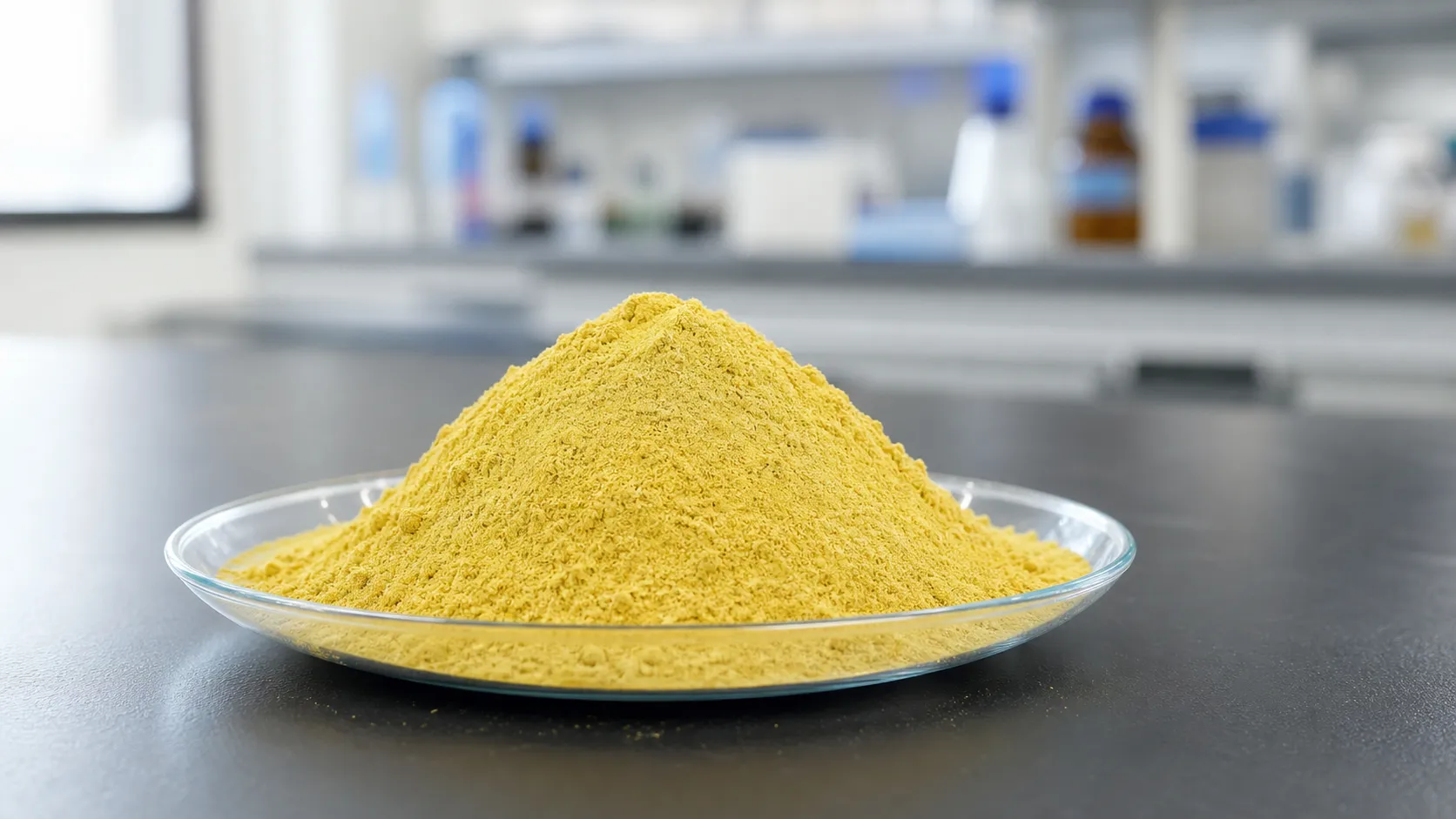
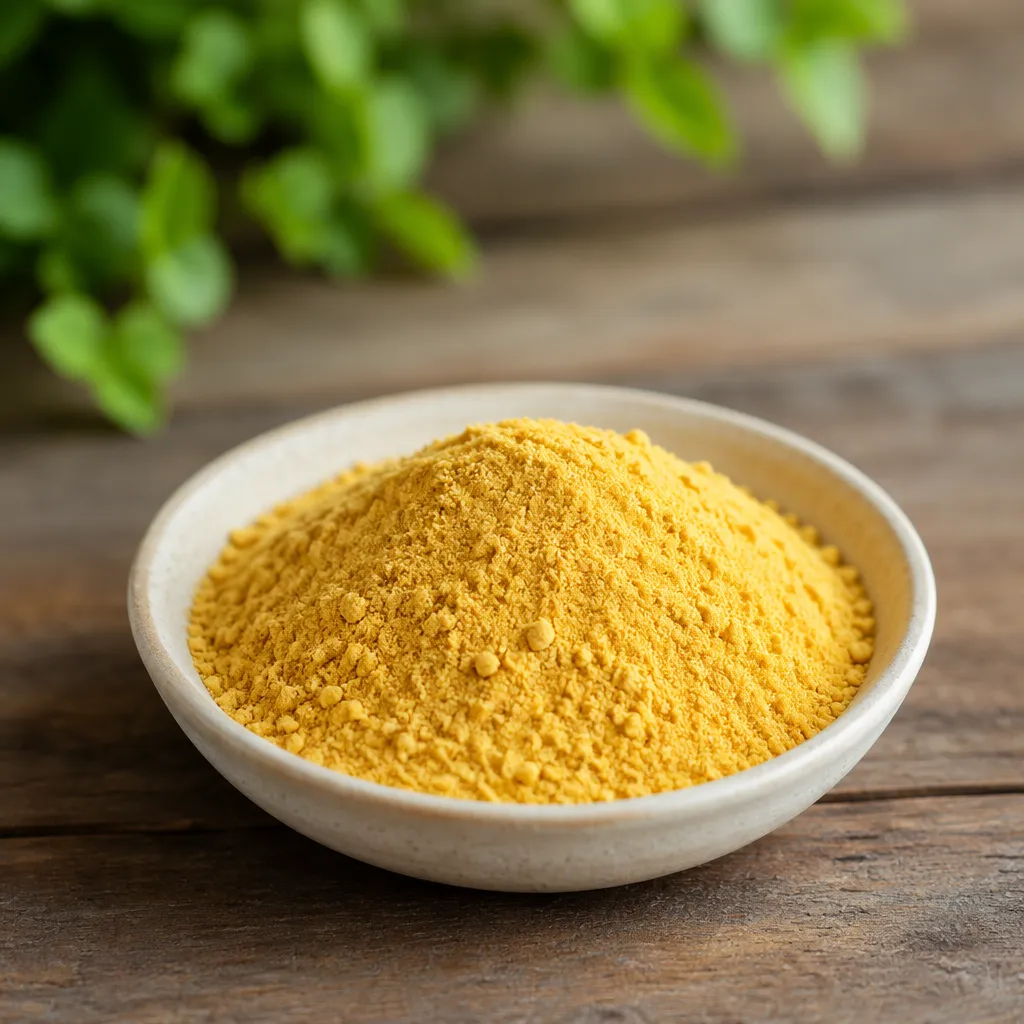
- Physical Forms: Spray-dried fine powder (White, Light Yellow, Standard Yellow, Dark Brown) and concentrated liquid solutions.
Pre-Hydrolyzed Inorganic Macromolecular Coagulant
Polymeric Aluminum Chloride is manufactured as a pre-hydrolyzed macromolecular complex containing pre-formed multinuclear hydroxyl aluminum ions. Because hydrolysis is already partially completed during synthesis, PAC reacts faster, consumes less alkalinity, and performs consistently across a wider range of raw water conditions than conventional monomeric coagulants.
Coagulation Mechanism
Our Polymeric Aluminum Chloride drives rapid clarification through three coordinated mechanisms:
- Charge Neutralization: High positive cationic charges instantly neutralize negatively charged suspended solids, organic matter, and colloidal particles.
- Polymer Bridging: Macromolecular polymeric structures adsorb onto multiple particles, drawing them together into stable aggregates.
- Rapid Floc Formation: Micro-flocs rapidly agglomerate into large, dense, heavy flocs that settle swiftly, minimizing retention time in clarifiers.
Direct Factory Supply & High-Purity Advantage
Through our direct factory supply, we deliver high-purity Polymeric Aluminum Chloride designed for global compliance and optimized chemical consumption. By utilizing advanced spray-drying technology, we ensure high active alumina (Al2O3) content, low insoluble residues, ultra-low heavy metal concentrations, and consistent batch-to-batch quality directly from our manufacturing facilities.
Polymeric Aluminum Chloride Product Grades & Specifications
We supply three distinct grades of Polymeric Aluminum Chloride (PAC) tailored to exact water quality standards, operational parameters, and budget requirements.
Grade 1: High-Purity White PAC Powder (Drinking Water & Specialty)
- Primary Applications: High-standard municipal drinking water, cosmetics, pharmaceuticals, food processing, and precision paper sizing.
- Key Traits: Produced using spray-drying technology, this grade features ultra-low iron content, near-zero residue, and maximum solubility. Ideal for application requiring high water clarity without secondary contamination.
Grade 2: Yellow Standard PAC Powder (Potable Water & Municipal Sewage)
- Primary Applications: Municipal drinking water plants, urban sewage treatment, and reservoir clarification.
- Key Traits: Features a high active Al2O3 concentration and optimized basicity for rapid floc formation. Delivers maximum cost-efficiency for high-volume municipal treatment.
Grade 3: Dark Yellow / Brown Industrial PAC (Industrial Effluent & Sludge Dewatering)
- Primary Applications: Industrial wastewater clarification (textiles, paper & pulp, mining, oily effluent) and sludge dewatering operations.
- Key Traits: Formulated for high-turbidity, high-COD industrial water. Generates heavy, dense flocs that accelerate settling and reduce overall chemical sludge volume.
Technical Parameter Specification Matrix
| Parameter | Grade 1 (White Spray-Dried) | Grade 2 (Yellow Potable) | Grade 3 (Dark Yellow Industrial) |
|---|---|---|---|
| Active Alumina (Al2O3) | ≥ 30% | ≥ 29% - 30% | ≥ 28% |
| Basicity Degree | 40% – 60% | 50% – 85% | 50% – 90% |
| Water Insolubles | ≤ 0.1% | ≤ 0.3% | ≤ 1.5% |
| pH Value (1% solution) | 3.5 – 5.0 | 3.5 – 5.0 | 3.5 – 5.0 |
| Iron (Fe) | ≤ 0.01% | ≤ 0.3% | ≤ 2.5% |
| Arsenic (As) | ≤ 0.0002% | ≤ 0.0002% | N/A |
| Lead (Pb) | ≤ 0.001% | ≤ 0.001% | N/A |
Every batch undergoes rigorous quality testing to ensure full parameter compliance, consistent dosing performance, and complete regulatory alignment before dispatch.
Operational Advantages: Polymeric Aluminum Chloride vs. Aluminum Sulfate
Switching from traditional alum to our polymeric aluminum chloride (PAC) delivers immediate cost savings and operational gains for water treatment facilities. As a pre-hydrolyzed aluminum sulfate alternative, our high-purity PAC coagulant outperforms standard inorganic salts across every key performance metric.
- 30%–50% Lower Dosage Requirement: High charge density and rapid polymer bridging allow our PAC to form dense flocs faster, cutting total chemical consumption by up to half compared to traditional alum.
- Broader Operational pH Range (pH 5.0–9.0): Our PAC maintains strong coagulation across a wide pH spectrum without consuming raw water alkalinity, drastically reducing the need for pH-adjusting chemicals like lime or caustic soda.
- Superior Cold Water Performance (<5°C): Standard aluminum sulfate hydrolyzes slowly in cold water, leading to pin-floc formation and residual aluminum carryover. Our pre-hydrolyzed PAC retains high reactivity and fast settling speeds even in freezing winter temperatures.
- Reduced Chemical Sludge Volume: PAC yields compact, high-density flocs that dewater quickly. This significantly reduces total wet sludge volume, cutting downstream dewatering and disposal costs.
- Lower Corrosion & Less Equipment Wear: With a higher basicity and lower free acidity than raw alum, our PAC solutions are far less corrosive. This protects your dosing pumps, feed pipelines, and storage tanks from premature wear and maintenance downtime.
Key Industrial Applications of Polymeric Aluminum Chloride
We supply high-efficiency Polymeric Aluminum Chloride (PAC) tailored for diverse water treatment needs and specialized industrial processes. Our direct factory supply provides consistent chemical stability and superior performance across wide-ranging pH and temperature conditions.
Municipal Drinking Water Purification
Our high-purity Polymeric Aluminum Chloride delivers fast water clarification & turbidity removal for municipal water treatment plants.
- Rapid Turbidity Removal: Quickly aggregates fine suspended particles, clay, and organic contaminants in surface water, rivers, and reservoirs.
- Low Residual Aluminum: Forms tight, dense flocs that settle rapidly, keeping residual aluminum levels well below strict drinking water standards.
- Cold-Water Performance: Maintains high coagulation efficiency in low-temperature seasonal waters without requiring alkaline additives.
Industrial Wastewater Clarification
Our industrial-grade PAC serves as a reliable effluent decolorization chemical and coagulant for complex industrial wastewater streams.
- Textile & Dyeing Wastewater: Neutralizes charged dye molecules, delivering rapid color removal and COD reduction.
- Paper & Pulp Effluent: Clarifies process water, aids fiber recovery, and speeds up sludge dewatering & coagulation.
- Mining & Mineral Processing: Accelerates solid-liquid separation in mine tailing ponds and slurry wastewater treatment.
- Oily Wastewater Treatment: Breaks oil-in-water emulsions efficiently in petrochemical, refinery, and metal-machining effluent systems.
Specialty Manufacturing Processes
Beyond water clarification, our specialized Polymeric Aluminum Chloride formulations serve key roles in industrial manufacturing:
- Paper Retention & Sizing: Acts as a binding agent and retention aid, improving paper strength, drainage, and pigment retention.
- Precision Investment Casting: Functions as a mold hardener and binder in high-precision casting processes.
- Cosmetics & Personal Care: High-purity formulations (such as aluminum chlorohydrate grades) act as key active antiperspirant ingredients and clarifying agents.
Application Guidelines, Dissolution & Jar Testing Protocol for Polymeric Aluminum Chloride
Getting the best performance out of Polymeric Aluminum Chloride (PAC) requires proper solution preparation and precise dosing control. Below are our recommended operational guidelines to ensure maximum flocculation efficiency, rapid water clarification, and cost-effective chemical consumption.
Polymeric Aluminum Chloride Solution Preparation & Dilution
To prevent uneven dispersion and maximize reactivity, solid Polymeric Aluminum Chloride powder must be dissolved in water before dosing into your system.
- Dissolution Ratio: Dilute solid PAC powder to a 5%–10% aqueous solution (by weight) prior to injection.
- Water Temperature: Use ambient water (10°C–30°C). Avoid water above 50°C to prevent active polymer hydrolysis degradation.
- Agitation: Mix continuously for 10 to 15 minutes until the powder is fully dissolved and clear.
- Storage Duration: Diluted liquid PAC solutions should be consumed within 24 to 48 hours to maintain peak coagulation strength.
Recommended Baseline Dosing Parameters
Actual dosing rates depend on raw water turbidity, pH, total suspended solids (TSS), and organic load. Use these initial guidelines from our technical team for field testing:
| Application / Water Type | Raw Water Turbidity (NTU) | Recommended PAC Dose (mg/L or ppm) |
|---|---|---|
| Municipal Drinking Water | < 100 NTU | 5 – 15 mg/L |
| High-Turbidity Surface Water | 100 – 1000 NTU | 15 – 50 mg/L |
| Industrial Wastewater Clarification | Moderate to High TSS | 30 – 100 mg/L |
| Textile & Dye Effluent Decolorization | High Color & COD | 50 – 200 mg/L |
| Sludge Dewatering Conditioning | Thickened Sludge | 100 – 300 mg/L |
Step-by-Step Jar Test Dosing Optimization
We advise conducting regular jar tests on-site to determine the exact dosage required for optimal turbidity removal and minimal sludge volume.
1. Stock Solution Preparation
- Dissolve 1.0 gram of dry Polymeric Aluminum Chloride into 100 mL of distilled water to create a 1% (10,000 mg/L) stock solution.
- Dosing reference: Adding 1.0 mL of this stock solution into 1.0 L of raw water equals a dose of 10 mg/L (10 ppm).
2. Flash Mixing (Rapid Coagulation)
- Fill six 1.0 L beakers with representative raw water samples.
- Add incremental PAC dosages to each beaker (e.g., 5, 10, 15, 20, 25, 30 mg/L).
- Stir rapidly at 120–150 rpm for 1 to 2 minutes to ensure instant charge neutralization and micro-floc formation.
3. Slow Mixing (Floc Culmination & Bridging)
- Reduce paddle speed to 30–40 rpm for 10 to 15 minutes.
- Observe the growth of dense, heavy flocs forming across the water column.
4. Settling Phase
- Stop stirring and allow the flocs to settle quiescently for 10 to 15 minutes.
- Monitor settling velocity and compaction of the sludge bed at the bottom.
5. Supernatant Evaluation
- Sample the treated water from 2 cm below the surface.
- Measure residual turbidity (NTU), pH, and color using standard laboratory meters.
- Select the lowest PAC dosage that achieves target clarity to optimize overall treatment costs.
Polymeric Aluminum Chloride Quality Control & Compliance
We enforce strict quality control standards across every stage of production to guarantee consistent coagulant performance in your water treatment operations.
100% Batch Verification & Quality Assurance
Every batch of our Polymeric Aluminum Chloride undergoes mandatory laboratory testing before dispatch. We verify exact chemical parameters to ensure product stability and performance:
- Active Alumina Content ($Al_2O_3$): Lab-verified between 28% and 30%+ to match grade requirements.
- Basicity Degree: Precision-controlled between 40% and 90% for rapid flocculation and minimal pH impact.
- Heavy Metal Contaminants: Strict screening for trace Lead (Pb), Arsenic (As), and Cadmium (Cd) to guarantee compliance with drinking water standards.
- Water Insolubles: Controlled below 0.3% to prevent dosing pump abrasion and pipe clogging.
Complete Regulatory Documentation
We streamline your import and compliance processes by providing comprehensive document packages with every shipment:
- Certificate of Analysis (COA): Batch-specific lab results provided with shipping documentation.
- Material Safety Data Sheet (MSDS/SDS): Fully compliant with GHS standards for safe handling and storage.
- Technical Data Sheet (TDS): Complete guidance on chemical properties, solubility, and application specs.
- Global Regulatory Standards: Fully compliant with REACH regulations for EU markets, as well as international municipal water standards.
Third-Party Inspection Support
To ensure complete transparency and quality assurance, we accommodate third-party pre-shipment inspections at our factory, including:
- SGS
- Intertek
- Bureau Veritas (BV)
We manage on-site sampling, container loading supervision, and seal verification directly with inspection teams prior to export.
Polymeric Aluminum Chloride Packaging, Storage & Global Logistics
We provide flexible packaging options, strict storage standards, and streamlined global shipping to ensure our Polymeric Aluminum Chloride (PAC) arrives in top condition and retains full chemical reactivity.
Packaging Configurations
We supply both solid powder and liquid PAC in standard export-ready containers designed for safe transit and easy plant integration:
| PAC State | Packaging Type | Unit Net Weight / Volume | Application Fit |
|---|---|---|---|
| Solid Powder | PP Woven Bag with Dual PE Inner Liners | 25 kg | Manual handling & small-to-medium batch makeup |
| Solid Powder | FIBC Bulk Jumbo Bags | 1,000 kg | Automated bulk feeding & high-volume plants |
| Liquid PAC | Heavy-Duty HDPE Drums | 200 L | Medium-scale liquid dosing equipment |
| Liquid PAC | Reinforced IBC Totes | 1,000 L / 1,200 kg | Automated liquid metering & large liquid storage |
Storage & Stability Precautions
Solid Polymeric Aluminum Chloride is hygroscopic and must be stored correctly to avoid caking and activity loss:
- Moisture Control: Keep bags sealed until dilution. Store on raised pallets in a cool, dry, well-ventilated warehouse away from direct weather exposure.
- Pallet Stacking: Limit pallet stacking height to 2 layers to prevent bag rupture and powder compaction.
- Shelf Life:
- Solid PAC Powder: 24 months in unopened, undamaged original packaging.
- Liquid PAC Solution: 6 months under cool, shaded storage conditions.
- Chemical Compatibility: Avoid storing near strong alkalis, oxidizing agents, or non-lined carbon steel surfaces.
Global Logistics & Shipping Capabilities
Our direct factory supply chain delivers reliable global export logistics:
- Export Preparation: Palletized cargo is wrapped with heavy-gauge stretch film and edge-protected for container sea freight.
- Container Loading: Standard 20-foot full container loads (20 ft FCL) carry up to 20–22 metric tons (palletized) or 25 metric tons (unpalletized).
- Regulatory Clearance: Every export batch includes complete shipping documentation—including COA, SDS/MSDS, TDS, and origin certifications—for swift customs clearance at destination ports.
Commercial Procurement & Request for Quotation (RFQ)
Strategic Procurement Advantages & Direct Factory Pricing
By sourcing Polymeric Aluminum Chloride directly from our manufacturing facilities, procurement managers and plant operators secure high-purity chemicals at direct-factory pricing. Eliminating intermediary markups gives your business full control over chemical specifications, lead times, and bulk volume discounts.
- Cost Optimization: Scalable volume pricing for bulk shipments in bags, jumbo totes, or liquid drums.
- Supply Chain Reliability: Guaranteed inventory buffers and steady production capacity to prevent plant downtime.
- Tailored Product Grades: Custom Al2O3 active content and basicity adjustments matched to your water treatment requirements.
- Certified Quality: Every shipment includes complete regulatory documentation, including batch-specific COA, MSDS, and TDS.
RFQ Submission Guidelines & Required Parameters
To receive an accurate price quote, sample pack, and technical documentation within 24 hours, provide the following parameters when submitting your inquiry:
| RFQ Parameter | Submission Options & Options |
|---|---|
| PAC Product Grade | White Powder (Drinking Water) / Yellow Standard (Potable/Sewage) / Dark Yellow (Industrial Effluent) |
| Active Active Al2O3 Content | 28% min, 30% min, or custom active alumina percentage |
| Basicity Degree (OH/Al) | Standard (40%–90%) or custom ratio |
| Order Tonnage | Total volume in Metric Tons (MT) and recurring schedule |
| Packaging Configuration | 25 kg PP bags, 1,000 kg jumbo bags, liquid IBC totes, or OEM labeling |
| Logistics Terms | Preferred Incoterms (FOB, CIF, CFR) and target destination port |
Polymeric Aluminum Chloride (PAC) Frequently Asked Questions (FAQs)
White vs. Yellow vs. Dark Yellow PAC Powder
The color and purity of Polymeric Aluminum Chloride depend on raw materials, manufacturing process, and target applications.
| PAC Grade & Color | Active Al2O3 Content | Basicity Degree | Primary Applications |
|---|---|---|---|
| Spray-Dried White PAC | 29% – 30% | 40% – 60% | Potable water, paper manufacturing, cosmetics, pharmaceutical processing |
| Yellow Standard PAC | 28% – 30% | 60% – 85% | Municipal drinking water treatment, urban sewage clarification |
| Dark Yellow / Brown PAC | 26% – 28% | 70% – 85% | Industrial wastewater treatment, sludge dewatering, textile effluent |
Polymeric Aluminum Chloride vs. Aluminum Sulfate
Switching from traditional alum to our Polymeric Aluminum Chloride provides immediate operational and cost savings:
- 30%–50% Lower Dosage: Higher active polymer charge density reduces overall chemical consumption.
- Wider pH Operating Window: Effective between pH 5.0 and 9.0 without requiring additional alkalinity modifiers.
- Superior Cold-Water Action: Rapidly forms heavy flocs in low-temperature water (below 5°C) where aluminum sulfate fails.
- Reduced Sludge & Corrosion: Generates lower sludge volume for easier dewatering and reduces wear on dosing pumps and piping.
Jar Test Dosing Optimization for PAC
To determine the precise dosing rate for your raw water source, follow our standard lab procedure:
- Prepare Stock Solution: Dissolve 1.0 g of solid PAC powder into 100 mL of distilled water to create a 1% (10,000 mg/L) stock solution.
- Execute Jar Test: Add 1 mL of stock solution per 1 L water sample (1 mL = 10 mg/L raw PAC dosage). Run rapid mixing at 150 RPM for 2 minutes, slow mixing at 40 RPM for 10 minutes, and let settle for 15 minutes.
- Calculate Optimal Dose:
$Required Dose (mg/L) = frac{Stock Concentration (mg/mL) × Dose Volume (mL)}{Sample Volume (L)}$
Note: Measure supernatant turbidity and pH after settling to identify the lowest dosage that achieves targeted clarity.
PAC Storage Conditions & Shelf Life
- Solid PAC Powder: Has a shelf life of 2 years when stored in original sealed 25 kg or jumbo bags. Keep in a dry, cool, well-ventilated warehouse away from moisture and direct sunlight.
- Liquid PAC Solution: Has a shelf life of 6 months. Store in corrosion-resistant polyethylene (PE), fiberglass (FRP), or rubber-lined steel tanks. Protect from freezing temperatures.