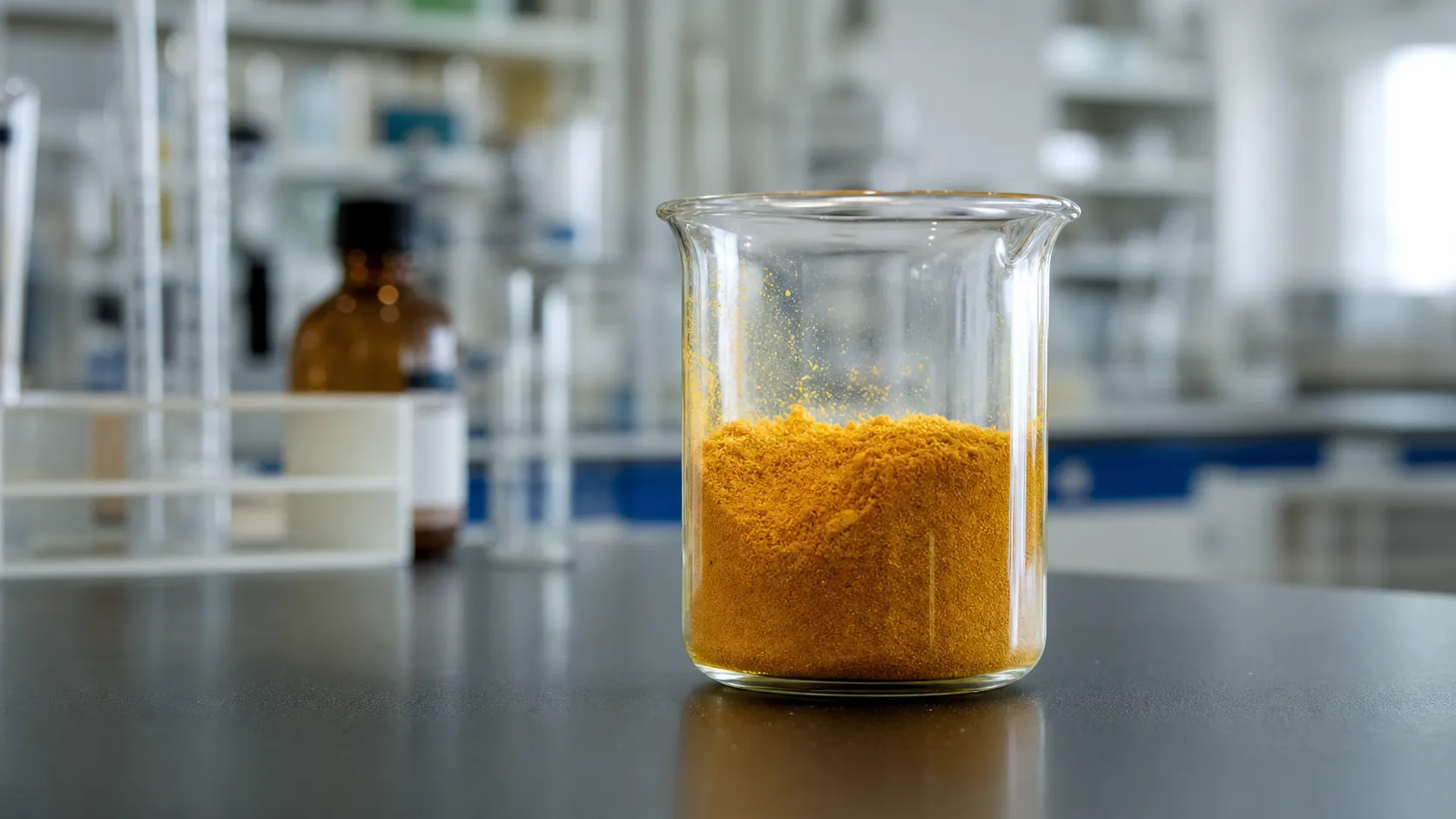
Formula details
Product Details
Overview
Polymeric Aluminum Ferric Chloride Overview
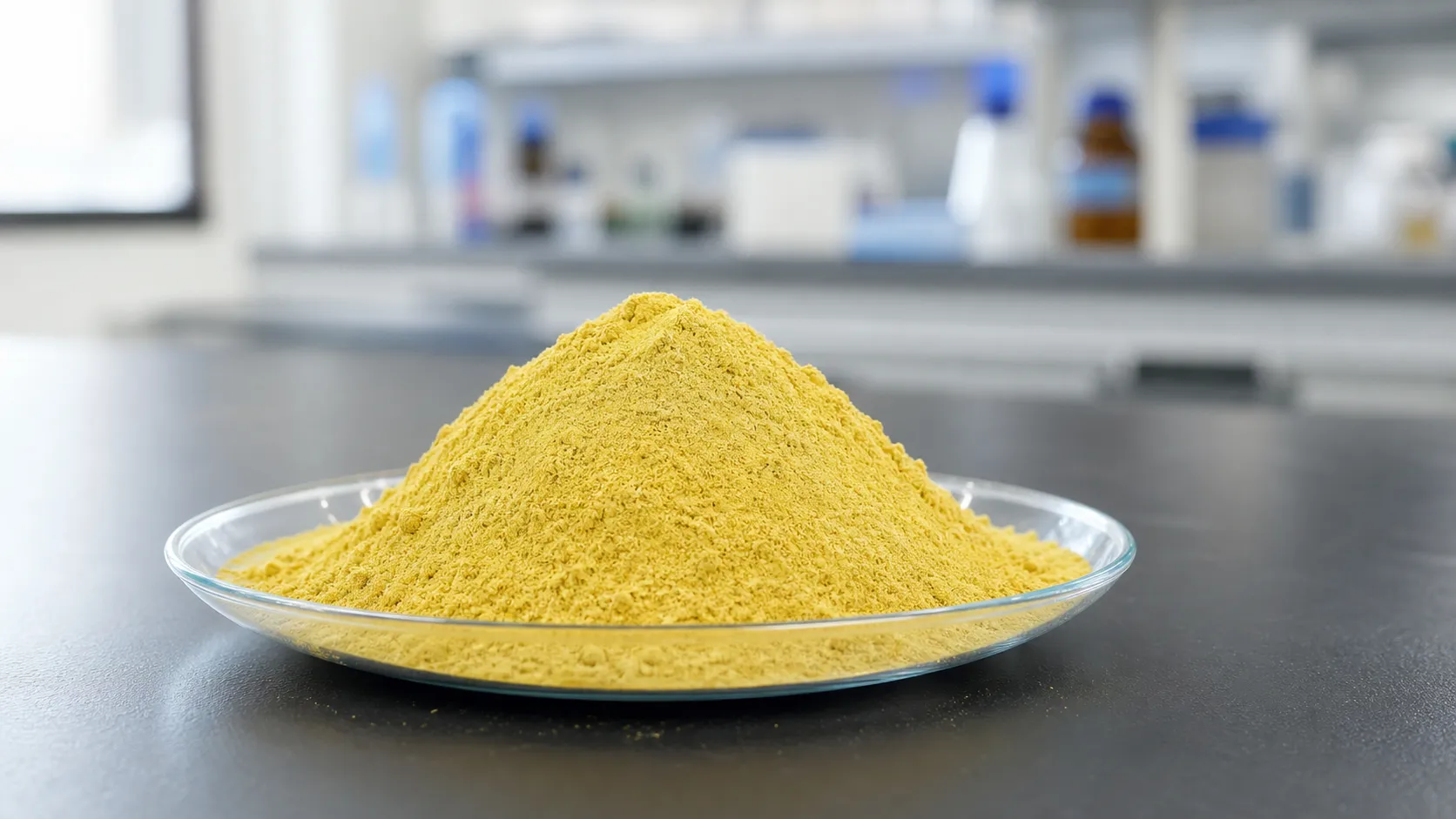
Polymeric Aluminum Ferric Chloride (PAFC) is a high-efficiency composite inorganic polymer coagulant. By integrating aluminum and iron salts into a single molecular polymer structure, PAFC delivers the rapid charge-neutralization of aluminum and the heavy, dense flocculation characteristics of iron. We manufacture and supply high-purity PAFC optimized for both municipal drinking water and heavy-duty industrial wastewater treatment.
Core Value Summary
- Rapid Floc Formation: Forms large, dense flocs instantly for high-speed sedimentation.
- Low Chemical Dosage: Reduces overall chemical consumption by 20% to 50% compared to traditional alum or ferric chloride.
- Efficient Impurity Removal: High removal rates for turbidity, suspended solids (SS), color, COD, and heavy metal ions.
- Minimal Sludge Volume: Produces compact sludge beds, drastically cutting sludge dewatering and disposal costs.
Quick Specifications Snapshot
| Feature | Details |
|---|---|
| Product Type | Composite Inorganic Polymer Coagulant |
| Chemical Formula | [Al2(OH)nCl6-n]m + [Fe2(OH)xCl6-x]y |
| Available Forms | Yellow-brown / brown solid powder or liquid solution |
| Main Functions | Coagulation, flocculation, turbidity removal, color removal |
| Target Application | Municipal water, industrial effluent, sludge dewatering |
Why Buyers Choose Our PAFC
Water treatment managers and global procurement teams choose our PAFC coagulant to lower total operational costs without sacrificing performance. It handles fluctuating raw water quality, low temperatures, and high turbidity with ease, making it a reliable, high-performance alternative to single-metal coagulants.
Key Benefits of Polymeric Aluminum Ferric Chloride (PAFC)
We engineer Polymeric Aluminum Ferric Chloride (PAFC) to give industrial plants and municipal treatment facilities a clear operational edge over traditional chemicals. By combining the strong charge-neutralizing power of aluminum with the heavy floc-building properties of iron, our PAFC coagulant delivers faster settling times and cleaner water with lower overall chemical consumption.
Core Advantages for Industrial Water Treatment
- Rapid Coagulation & Flocculation: Creates dense, heavy flocs within seconds. This speeds up gravity settling and flotation processes, increasing overall plant throughput.
- Broad pH Adaptability: Functions efficiently across a wide pH range (5.0 to 9.0). You save on secondary pH adjustment chemicals like lime or caustic soda.
- Superior Cold-Water Performance: Maintains high reactivity in low-temperature and low-turbidity raw water where standard alum often fails.
- High Impurity Removal: Highly effective at removing suspended solids (TSS), color, chemical oxygen demand (COD), and trace heavy metals.
- Reduced Sludge Volume: Produces more compact sludge with lower water retention, significantly reducing cake weight and sludge disposal costs.
- Consistent Batch Quality: Our automated manufacturing guarantees stable iron and aluminum polymer ratios for reliable continuous dosing.
Performance Summary
| Feature | Operational Effect | Direct Value |
|---|---|---|
| Heavy Floc Formation | Fast settling velocity | Reduces retention time and footprint |
| Wide pH Window | Stable treatment at pH 5.0–9.0 | Lowers alkali/acid consumption |
| Low-Temperature Activity | Reliable winter performance | Eliminates seasonal dosage spikes |
| Compact Sludge Output | High-density dewatered cake | Cuts transport and disposal fees |
Polymeric Aluminum Ferric Chloride Specifications
We supply high-purity Polymeric Aluminum Ferric Chloride (PAFC) in both solid powder and liquid forms to meet diverse industrial and municipal water treatment standards. Our coagulant combines active aluminum and iron polymers to deliver superior performance across tough water conditions.
Core Product Identification
- Chemical Name: Polymeric Aluminum Ferric Chloride
- Abbreviation: PAFC
- Product Form: Solid (Powder) / Liquid (Solution)
- Appearance: Yellow-brown to reddish-brown powder / Dark brown solution
- Solubility: Fully soluble in water
Technical Data Sheet
We manufacture standard and drinking-water grade PAFC. The table below outlines our main technical specifications:
| Parameter | Solid Grade (Powder) | Liquid Grade (Solution) |
|---|---|---|
| Alumina Content (Al_2O_3) | ge 28.0% - 30.0% | ge 6.0% - 10.0% |
| Iron Content (Fe) | 2.0% - 5.0% | 1.0% - 3.0% |
| Basicity | 40.0% - 90.0% | 40.0% - 90.0% |
| pH Value (1% Water Solution) | $3.5 - 5.0$ | $2.0 - 4.0$ |
| Water Insolubles | le 0.5% - 1.5% | le 0.2% |
| Heavy Metals (as Pb) | le 0.001% | le 0.0005% |
Custom Specifications Available
Raw water quality varies greatly between processing plants and water sources. We offer custom PAFC formulations with adjustable Al_2O_3 percentages, specific iron ratios, and tailored basicity levels to fit your exact system parameters and jar test requirements.
How Polymeric Aluminum Ferric Chloride Works
We engineer Polymeric Aluminum Ferric Chloride (PAFC) to purify water through four simultaneous chemical processes. By combining pre-polymerized aluminum and iron, our PAFC coagulant targets suspended solids and dissolved impurities far faster than single-salt coagulants.
Core Flocculation Mechanisms
- Charge Neutralization: Negatively charged suspended particles in raw water naturally repel each other. The strong positive charges from aluminum and iron ions quickly neutralize these surface charges, allowing particles to collide and aggregate.
- Adsorption Bridging: Long polymer chains act as molecular bridges, grabbing onto multiple particles at once to build large, firmly bound flocs.
- Sweep Flocculation: As the coagulant precipitates, it forms heavy hydroxide nets that sweep fine impurities, organic matter, and color out of the water column.
The Aluminum and Iron Synergy
Our poly aluminum ferric chloride combines the distinct advantages of both metals into a single inorganic polymer structure:
| Component | Primary Function | Water Treatment Benefit |
|---|---|---|
| Aluminum (Al) | High charge density | Rapid charge neutralization and crystal-clear water |
| Iron (Fe) | High molecular weight & density | Heavier flocs, faster settling rates, and cold-water performance |
Why the Polymeric Structure Improves Settling and Turbidity Removal
Standard monomeric coagulants require extra time and energy to form polymers inside the raw water. Because our inorganic polymer flocculant is pre-polymerized during manufacturing, it works immediately upon dosing.
This pre-formed polymeric structure creates denser, larger, and tougher flocs that resist breaking under hydraulic shear. The added weight from iron ensures rapid sedimentation, dropping turbidity levels fast—even in challenging conditions like cold, low-turbidity raw water.
Performance Advantages of PAFC Over Other Coagulants
We engineered Polymeric Aluminum Ferric Chloride (PAFC) to overcome the performance limits of traditional single-metal coagulants. By combining aluminum and iron into a single inorganic polymer flocculant, PAFC provides faster settling, lower chemical consumption, and superior stability for demanding industrial and municipal water treatment.
PAFC vs PAC vs Ferric Chloride vs Alum
| Performance Feature | PAFC (Our Product) | PAC | Ferric Chloride | Alum |
|---|---|---|---|---|
| Floc Formation Speed | Ultra-fast, dense | Moderate | Slow | Slow, fragile |
| Dosage Requirement | Lowest | Moderate | Moderate to High | Highest |
| Cold Water Performance | Excellent | Fair | Poor | Poor |
| Operational pH Range | Wide (5.0–9.0) | Moderate (6.0–8.5) | Narrow (6.0–7.5) | Narrow (6.5–7.5) |
| Equipment Corrosion Rate | Low | Low | Very High | Moderate |
| Sludge Volume & Dewatering | Low volume, easy dewatering | Moderate volume | Sticky, hard to press | High volume, wet |
Core Operational Advantages
- Faster Floc Formation & Rapid Settling: The iron content builds heavy, high-density flocs in seconds, drastically shortening retention time in clarification tanks.
- Broader Raw Water Adaptability: Handles sudden surges in turbidity, high organic loads, and freezing water temperatures where traditional alum and PAC struggle.
- Lower Chemical Consumption: Strong charge neutralization lets plant operators reduce total chemical dosage by 20% to 40% compared to standard coagulants.
- Better Sludge Control: Generates compact sludge with low water content, directly cutting sludge pressing time and disposal costs.
- Less Corrosion & Equipment Wear: Offers lower acidity than pure ferric chloride, extending the service life of dosing pumps, pipes, and storage tanks.
Main Applications of PAFC Coagulant
We supply Polymeric Aluminum Ferric Chloride (PAFC) for a broad range of municipal and industrial water treatment environments. Its combined aluminum-iron formula delivers reliable coagulation across challenging raw water conditions.
Municipal Drinking Water Treatment
- Potable Water Supply: Removes fine suspended solids, trace heavy metals, and organic matter to meet strict drinking water standards.
- Low-Temperature Water: Maintains fast flocculation and rapid settling speed in cold seasons when conventional coagulants lose activity.
- High-Turbidity Clarification: Handles sudden turbidity spikes during flood seasons without clogging filters or requiring excessive chemical over-dosing.
Industrial Wastewater Treatment
Our polyaluminum ferric chloride breaks down complex industrial pollutants and heavy organic loads:
Textile, Dyeing, and Printing: Rapidly decolorizes complex dye effluents and lowers chemical oxygen demand (COD).
Papermaking Wastewater: Clarifies process water, recovers pulp fibers, and removes suspended solids (SS).
Food Processing: Efficiently separates suspended organic matter, proteins, and fats.
Sewage Treatment Plants: Accelerates primary clarification and enhances secondary phosphorus removal.
Sludge Dewatering
- Sludge Volume Reduction: Forms dense, compact flocs that improve belt press and centrifuge performance, yielding drier sludge cakes and lowering disposal costs.
Polymeric Aluminum Ferric Chloride Dosage and Application Guide
To get peak performance from Polymeric Aluminum Ferric Chloride (PAFC), correct dosing and proper solution preparation are essential. Because water characteristics vary significantly across different industrial sites, we always recommend tailoring feed rates to your specific plant conditions.
Run a Jar Test First
Before starting full-scale dosing, we strongly advise running a laboratory jar test. Factors like turbidity, water temperature, pH, and organic load directly dictate the optimal amount of PAFC coagulant required.
- Low-Turbidity Water: Typically requires 5–15 mg/L.
- Medium-to-High Turbidity Water: Ranges between 15–50 mg/L.
- Industrial Wastewater / High COD: Requires 50–200+ mg/L depending on heavy metal concentration and total suspended solids.
Dissolving and Dilution Guidance
We supply both solid powder and liquid Poly Aluminum Ferric Chloride. Follow these standard dilution ratios to prepare an effective working solution:
| PAFC Product Form | Preparation / Dilution Standard | Feeding Instructions |
|---|---|---|
| Solid PAFC Powder | Dissolve with clean water into a 5% – 10% solution. | Stir for 10–15 minutes until completely dissolved before dosing. |
| Liquid PAFC Solution | Feed directly or dilute down to a 10% – 20% concentration. | Meter straight into the flash mixing zone using corrosion-resistant pumps. |
Step-by-Step Treatment Process
- Rapid Mixing (Flash Mix): Dosing Polymeric Aluminum Ferric Chloride directly at a high-shear entry point (200–300 rpm for 1–2 minutes) guarantees quick charge neutralization.
- Flocculation (Slow Mix): Reduce mixing speed to 30–50 rpm for 10–15 minutes. The dual aluminum and iron polymer chains form dense, heavy flocs rapidly.
- Settling & Clarification: Allow 20–30 minutes of undisturbed settling time. Heavy flocs drop quickly, yielding high-clarity effluent.
Operating Notes for Stable Results
- Maintain Broad pH Control: PAFC operates reliably within a wide pH range of 5.0 to 9.0.
- Prepare Fresh Solutions: Diluted working solutions retain peak activity when used within 24 to 48 hours.
- Track Seasonal Variations: Adjust dosing pump rates during heavy rains or sudden drops in water temperature.
Common Application Mistakes to Avoid
- Dosing Dry Powder Directly: Never dump dry PAFC powder straight into raw water tanks; poor dispersion leads to severe chemical waste.
- Over-Dosing: Adding too much coagulant causes charge reversal, which restabilizes suspended solids and increases effluent turbidity.
- Insufficient Rapid Mixing: Weak flash mixing prevents the chemical from interacting with all suspended particles, resulting in fragile pin-flocs.
- Using Non-Resistant Pipework: Liquid PAFC solutions require acid-resistant dosing lines and pumps (such as PVC, PE, PTFE, or FRP).
Polymeric Aluminum Ferric Chloride Packaging and Delivery
We supply Polymeric Aluminum Ferric Chloride (PAFC) in durable, export-standard packaging built for safe site handling and long-distance transport. Whether you order solid powder or liquid PAFC coagulant, we ensure every batch arrives secure, moisture-free, and ready for immediate plant use.
Standard Packaging Specifications
| PAFC Form | Packaging Type | Standard Capacity | Main Features |
|---|---|---|---|
| Solid Powder | PP Woven Bag + PE Liner | 25 kg / bag | Double-layer moisture barrier, easy stacking |
| Liquid Solution | Heavy-Duty HDPE Drum | 200 L / drum | Chemical-resistant, secure bung closures |
| Liquid Solution | IBC Tote | 1,000 L / tote | Optimized for forklift handling and direct dosing |
| Liquid Solution | Bulk Tanker / Flexitank | Bulk shipment | Maximize payload for large-scale operations |
Custom Packaging and Export Logistics
At Greenlano, we streamline your supply chain with flexible packaging and professional handling:
- Custom Bags & Private Labeling: We offer full OEM printing, customized bag weights, and multi-language product labeling to support local branding.
- Secure Freight Protection: All bag shipments are palletized, corner-guarded, and shrink-wrapped to prevent humidity damage and shift during ocean freight.
- Global Shipping Expertise: We handle complete container loading, customs declarations, MSDS compliance, and fast port logistics for reliable global delivery.
Storage and Handling for Polymeric Aluminum Ferric Chloride
Proper storage and handling preserve the performance of Polymeric Aluminum Ferric Chloride (PAFC) and ensure workplace safety. Because liquid forms are acidic and solid forms are hygroscopic, following these operational guidelines is essential.
Storage Environment Guidelines
To maintain chemical stability and product shelf life, follow these core storage practices:
- Location: Keep in a cool, dry, and well-ventilated area away from direct sunlight and heat sources.
- Moisture Protection: Solid PAFC absorbs air moisture quickly. Always keep bags sealed tightly when not in use.
- Temperature Control: Protect liquid PAFC solutions from extreme cold to prevent crystallization or freezing.
Shelf Life and Product Stability
- Solid PAFC Powder: 24 months when stored in original unopened packaging under dry conditions.
- Liquid PAFC Solution: 6 months in sealed, corrosion-resistant bulk tanks or totes.
Handling Precautions and Material Compatibility
Because Polymer Aluminum Ferric Chloride is mildly acidic in liquid or dissolved form, selecting the right equipment prevents premature corrosion and safely protects operators.
- Recommended Tank & Pipe Materials: Fiber-reinforced plastic (FRP), polyethylene (PE), polypropylene (PP), PVC, or rubber-lined steel.
- Materials to Avoid: Unprotected mild steel, iron, copper, and aluminum components.
- Safety Gear: Operators should wear standard personal protective equipment (PPE), including acid-resistant gloves, safety goggles, and protective work garments.
- Spill Protocol: Neutralize minor liquid leaks with lime or soda ash, then flush the area thoroughly with water.
Quality Control and Compliance
When sourcing Polymeric Aluminum Ferric Chloride (PAFC) for industrial or municipal projects, product consistency is non-negotiable. We maintain strict quality control protocols throughout our manufacturing process to ensure every shipment performs to specification.
In-House Inspection and Testing Process
Every production batch of our PAFC coagulant undergoes comprehensive laboratory testing before dispatch. We verify key parameters to protect your operational efficiency:
- Key Technical Checks: Active Al2O3 content, total iron content, basicity, water insolubles, and pH ranges.
- Essential Technical Documentation: Every shipment includes a Certificate of Analysis (COA), Material Safety Data Sheet (MSDS), and Technical Data Sheet (TDS).
- Batch Traceability: We retain detailed records and physical samples for every raw material input, production run, and outbound shipping lot.
Inspection Support and Bulk Assurance
- Third-Party Verification: We fully support independent inspection and sampling (such as SGS or Intertek) at the factory or port prior to loading.
- Quality Guarantee: We provide a formal quality assurance commitment for all bulk procurement orders, guaranteeing that our polyaluminum ferric chloride meets your contracted specifications every single time.
Why Choose Greenlano for Polymeric Aluminum Ferric Chloride
At Greenlano, we supply high-grade Polymeric Aluminum Ferric Chloride (PAFC) directly from our manufacturing facility to water treatment operators and distributors worldwide. We eliminate middleman overhead to give you direct factory pricing, reliable supply stability, and full documentation for seamless international compliance.
Core Supply Advantages
- Direct Factory Supply: Sourcing your PAFC coagulant directly from our production lines ensures guaranteed quality control and lower unit costs.
- Competitive Wholesale Pricing: We offer tiered volume discounts designed for high-tonnage industrial buyers and municipal contractors.
- Rapid Quotations: Our technical sales team delivers detailed landed cost quotations within 24 hours.
- Complete Compliance Packages: Every batch includes verifiable Certificates of Analysis (COA), Safety Data Sheets (MSDS), and Technical Data Sheets (TDS).
- Dependable Export Logistics: We manage multi-modal freight, customs declaration, and safe export loading for hassle-free delivery.
Greenlano Procurement Snapshot
| Feature | Greenlano Standard | Customer Benefit |
|---|---|---|
| Pricing Model | Direct manufacturer rates | Maximize chemical procurement savings |
| Order Scale | Full container loads (FCL) to bulk | Flexible order options tailored to project scale |
| Batch Consistency | In-house laboratory verified | Reliable flocculation performance in every shipment |
| Supply Chain | Long-term contract support | Prevents operational downtime from inventory shortage |
We focus on building lasting business partnerships by keeping your chemical supply secure, compliant, and cost-effective.
Polymeric Aluminum Ferric Chloride FAQs
What is the difference between PAFC and PAC?
Polymeric Aluminum Ferric Chloride (PAFC) combines aluminum and iron salts into a single molecular structure. Compared to standard Polyaluminum Chloride (PAC), this aluminum iron coagulant forms larger, denser flocs, settles significantly faster, performs better in cold or low-turbidity water, and produces less sludge volume.
Is PAFC suitable for drinking water treatment?
Yes. We manufacture a high-purity drinking water coagulant grade that strictly complies with global potable water standards. It features low heavy-metal contents and leaves minimal chemical residue in treated water.
What is the typical dosage rate?
Dosage depends on raw water quality, turbidity, and specific target parameters:
Municipal drinking water: 5–15 mg/L (solid basis)
Industrial wastewater: 20–100 mg/L (solid basis)
Sludge dewatering: Varies by organic load and sludge density
We always recommend running a quick jar test prior to full-scale dosing to optimize your chemical consumption.
What product grades are available?
We supply Poly Aluminium Ferric Chloride in both solid powder and liquid forms across two primary grades:
Drinking Water Grade: High purity, minimum 29% Al2O3 content, low iron, light yellow powder.
Industrial Wastewater Grade: Minimum 26%–28% Al2O3 content, higher Fe ratio, dark yellow/brown powder for heavy suspended solids, color, and COD removal.
Can you provide COA, MSDS, and TDS?
Yes. We provide a complete documentation package with every batch, including a certified Certificate of Analysis (COA), Material Safety Data Sheet (MSDS), and Technical Data Sheet (TDS) for full traceability and compliance.
Order and Logistics Overview
| Procurement Query | Our Supply Terms |
|---|---|
| Minimum Order Quantity (MOQ) | 1 FCL (20–25 Metric Tons) for solid powder; flexible for bulk liquid tanks. |
| Lead Time | Standard orders ship within 7 to 14 days from deposit confirmation. |
| Custom Packaging | Fully supported. Options include standard 25 kg bags, 1000 kg jumbo bags, IBC totes, 200L drums, or custom private labeling. |