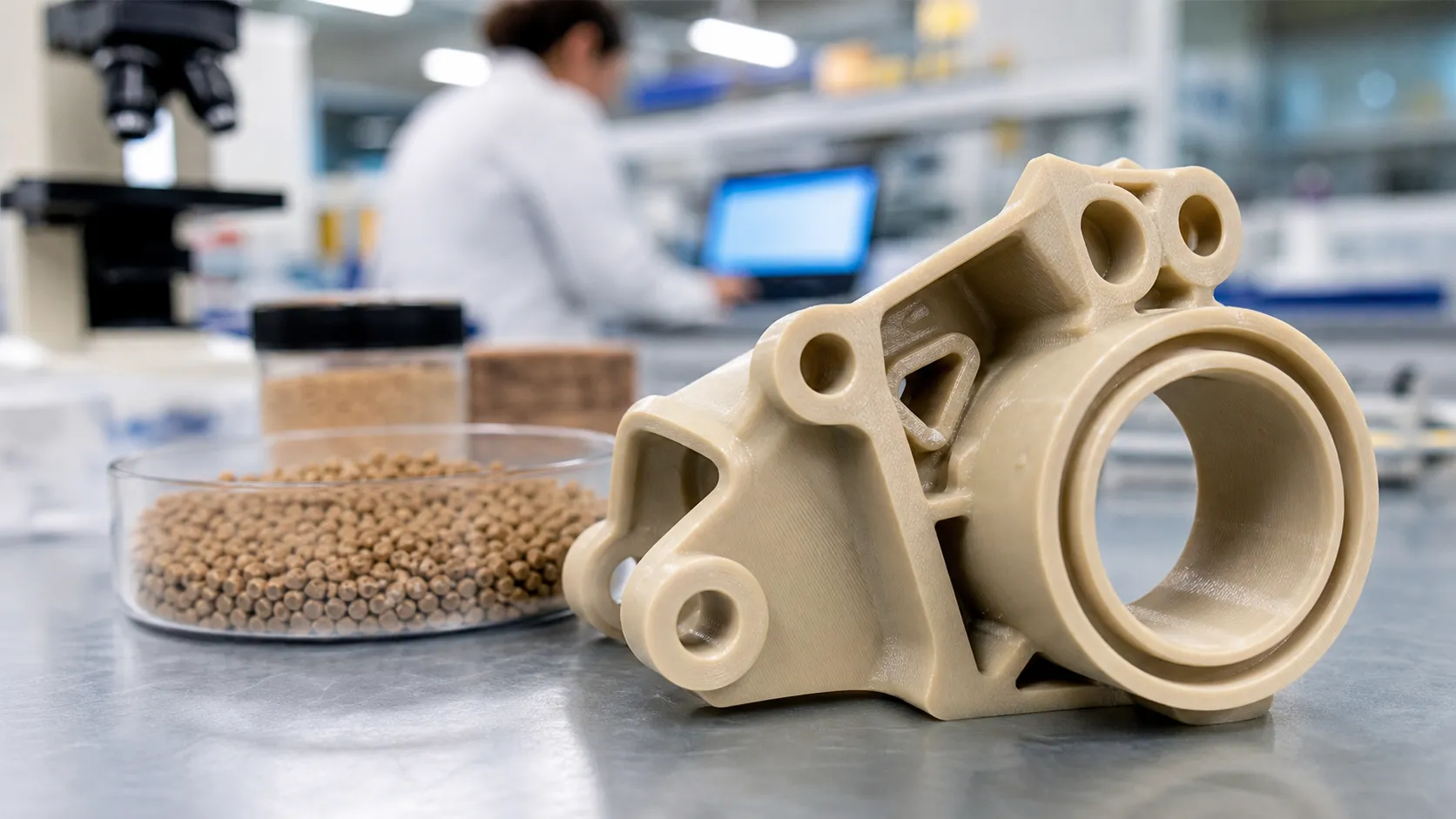
Formula details
Product Details
Overview
Overview: The Polymer Science Behind Greenlano® PEKK
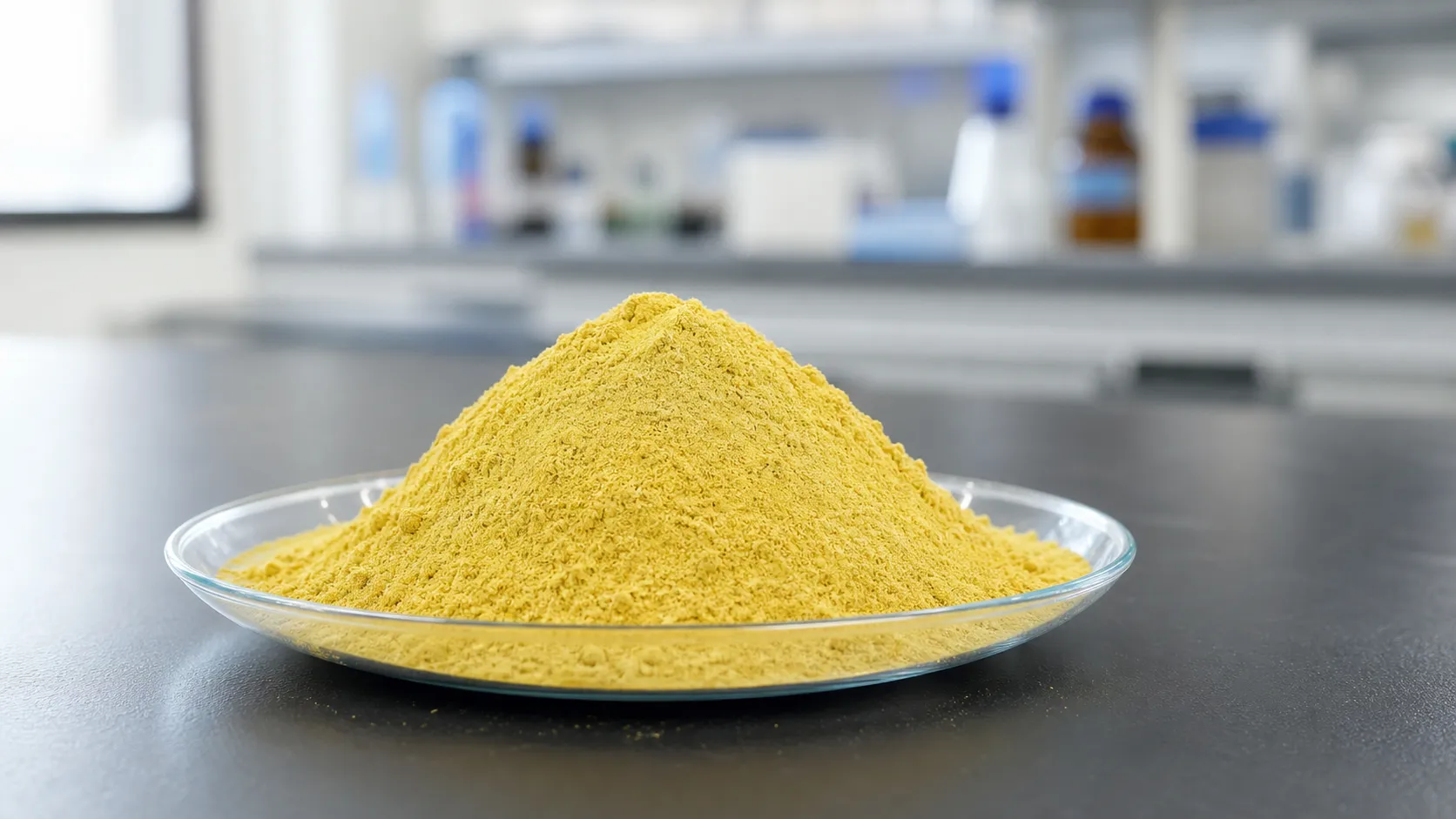
Are you struggling with standard thermoplastics breaking down under extreme heat, harsh chemicals, or heavy loads? At Greenlano, we designed our Greenlano® PEKK (Polyetherketoneketone) to bridge the gap between traditional plastics and heavy metals. As a flagship resin in the PAEK family, Greenlano® PEKK delivers unmatched durability for the most demanding global industrial applications.
Chemical Architecture
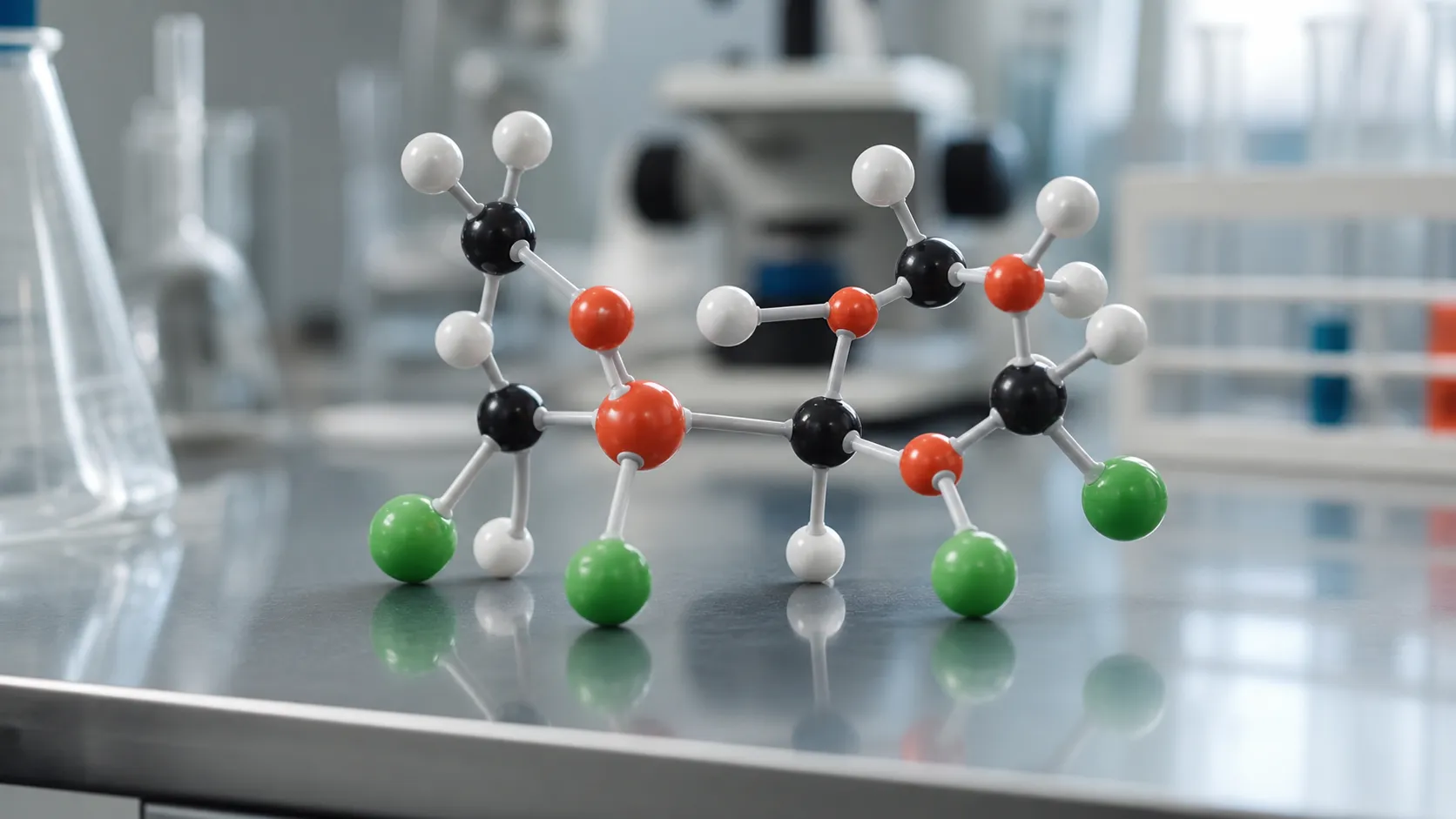
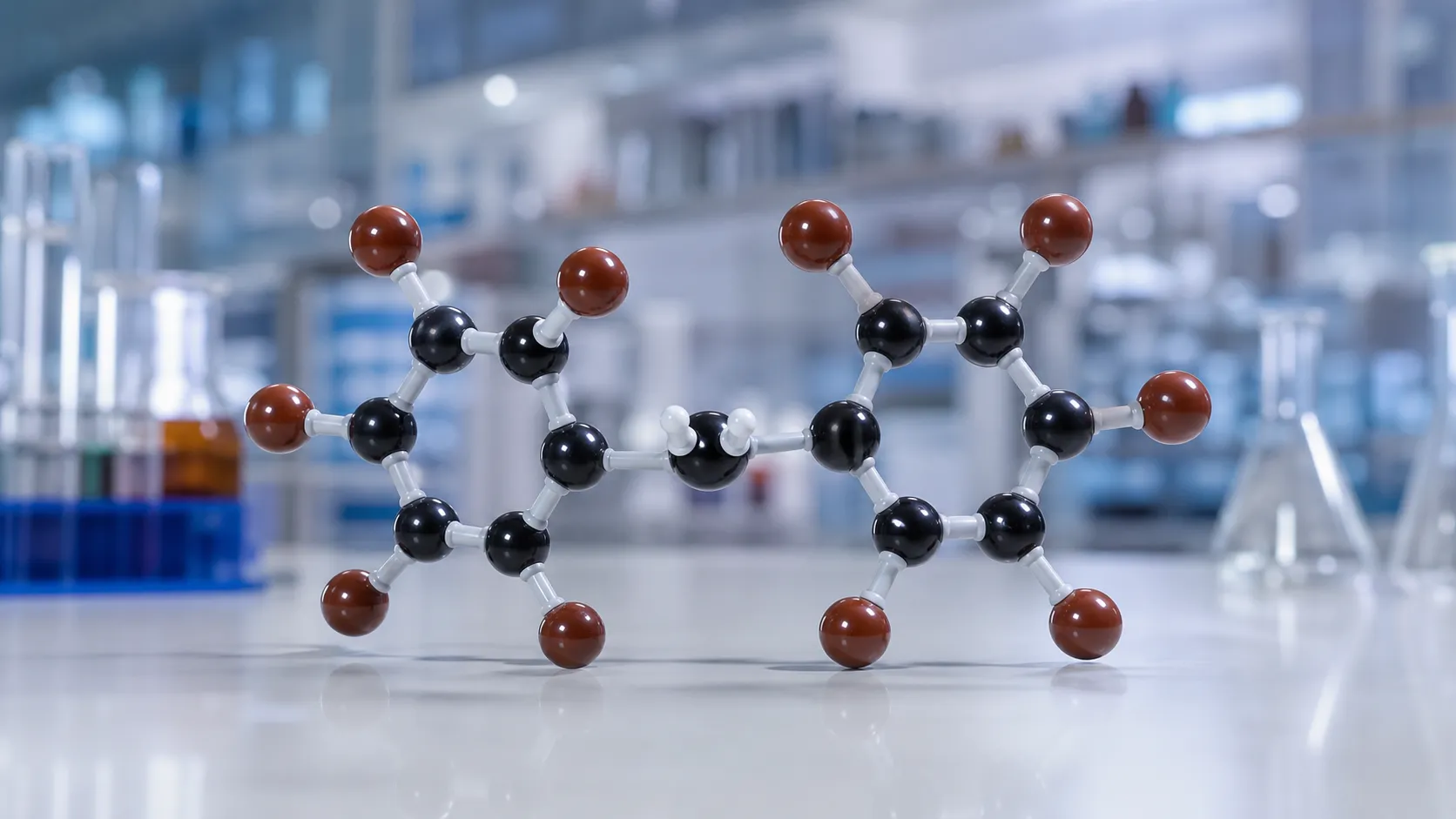
Greenlano® PEKK features a unique polymer backbone with a higher ratio of rigid ketone linkages compared to standard PEEK. This specific ether-to-ketone configuration directly boosts the material's thermal stability and mechanical strength.
- Ether Linkages (E): Provide necessary backbone flexibility for smooth melt processing.
- Ketone Linkages (K): Deliver high thermal stability, rigidity, and strong intermolecular forces.
- Isomer Ratio Control: Adjusting the terephthaloyl (T) to isophthaloyl (I) ratio allows precise tuning of melting points ($T_m$) and glass transition temperatures ($T_g$).
Crystallization Kinetics
Managing crystallization rates is crucial for avoiding warped parts during production. Greenlano® PEKK offers exceptionally controllable crystallization kinetics, setting it apart from faster-crystallizing polymers.
| Parameter | Greenlano® PEKK Characteristic | Processing Advantage |
|---|---|---|
| Glass Transition ($T_g$) | High (155 °C - 165 °C) | Retains stiffness at elevated temperatures |
| Melting Point ($T_m$) | Tunable (300 °C - 360 °C) | Lowers thermal stress during manufacturing |
| Crystallization Rate | Slow to moderate | Superior interlayer bonding and minimal warpage |
Metal Replacement Efficiency
Switching from traditional metals to Greenlano® PEKK allows engineering teams to drop significant weight without sacrificing structural integrity.
- Weight Reduction: Cut component weight by up to 40–60% compared to aluminum and titanium.
- Corrosion Resistance: Eliminate rust, galvanic corrosion, and chemical degradation entirely.
- Design Freedom: Injection mold or 3D print complex, consolidated geometries that are impossible to machine from solid metal blocks.
Engineering Performance Properties & Technical Datasheet
We engineered Greenlano® PEKK to deliver uncompromised reliability across demanding industrial environments. As a cornerstone of the PAEK family polymers, our ultra-polymer metal replacement material provides exceptional mechanical load capability, continuous high-temperature resistance, and broad chemical immunity.
Mechanical Strength
Greenlano® PEKK delivers exceptional tensile and flexural performance, making it an ideal candidate to replace aluminum and titanium in weight-critical applications. Its low density ensures high specific strength without compromising structural integrity.
| Property | Standard Test | Greenlano® PEKK (Neat) | Greenlano® PEKK-CF30 |
|---|---|---|---|
| Tensile Strength | ISO 527 / ASTM D638 | 110 MPa | 205 MPa |
| Tensile Modulus | ISO 527 / ASTM D638 | 3.8 GPa | 22.0 GPa |
| Flexural Strength | ISO 178 / ASTM D790 | 165 MPa | 280 MPa |
| Flexural Modulus | ISO 178 / ASTM D790 | 3.6 GPa | 19.5 GPa |
| Izod Impact (Notched) | ISO 180 / ASTM D256 | 5.5 kJ/m² | 8.2 kJ/m² |
| Density | ISO 1183 | 1.29 g/cm³ | 1.38 g/cm³ |
Thermal Performance
With an ultra-high glass transition temperature ($T_g$), our high-performance thermoplastics maintain structural stiffness well above standard operating limits.
- Glass Transition Temperature ($T_g$): 158°C to 165°C
- Melting Temperature ($T_m$): 305°C to 360°C (tailorable by ether/ketone ratio)
- Heat Deflection Temperature (HDT @ 1.8 MPa): 175°C (Neat) / 315°C (Annealed/CF)
- Continuous Use Temperature (CUT): 250°C to 260°C
- Flammability Rating: UL 94 V-0 (down to 0.8 mm)
- FST Compliance: Meets strict Aerospace Flame, Smoke, and Toxicity standards
Chemical & Environmental Resistance
Greenlano® PEKK shows outstanding immunity to harsh chemical agents, fluids, and environmental exposure:
- Hydrocarbons & Solvents: Impervious to jet fuel, hydraulic fluids, diesel, gasoline, and engine oils.
- Acids & Bases: Highly resistant to concentrated acids and bases (except concentrated nitric and sulfuric acids).
- Hydrolytic Stability: Excellent resistance to hot water and high-pressure steam; retains full strength after repeated autoclave sterilization cycles.
- Radiation & UV: High retention of mechanical properties under gamma radiation and long-term UV exposure.
Tribological & Electrical Properties
Whether you require structural electrical insulation or static dissipation, our PEKK resin options match your system requirements.
- Dielectric Strength: 20 kV/mm (Neat)
- Volume Resistivity: $10^{16}$ ohm-cm (Neat) / $10^{6}$ to $10^{9}$ ohm-cm (ESD variant)
- Coefficient of Friction (Dynamic): 0.22–0.28
- Limiting PV Value: High wear resistance under heavy sliding loads without requiring external lubrication.
Benchmark Comparison: Greenlano® PEKK vs. PEEK vs. Metals
When you need ultra-performance under extreme conditions, choosing the right material matters. We engineered our Greenlano® PEKK to push past the traditional limits of high-performance thermoplastics and outshine conventional structural metals.
PEKK vs. PEEK
While both belong to the PAEK family polymers, Greenlano® PEKK holds clear architectural advantages over standard PEEK. Its unique ether-to-ketone ratio gives you better control over crystallization rate, higher mechanical limits, and significantly easier processing.
| Property / Feature | Greenlano® PEKK | Standard PEEK | Why It Matters |
|---|---|---|---|
| Glass Transition Temp ($T_g$) | 155°C–165°C | 143°C | Retains strength at higher operating temperatures |
| Compressive Strength | ~150 MPa | ~115 MPa | Superior resistance to heavy load deformation |
| Interlayer Bonding | Exceptional | Moderate | Higher anisotropic interlayer strength in 3D printing |
| Crystallization Kinetics | Slow & Tunable | Fast | Minimal warping, easier annealing, better dimensional control |
- Better Printability: Lower melting temperatures and tunable crystallization mean virtually zero warping when using PEKK 3D printing filament.
- Superior Mechanicals: Delivers up to 80% higher compressive strength than PEEK, making it the ideal high-temperature resin.
PEKK vs. Metals (Aluminum & Titanium)
We designed Greenlano® PEKK as the ultimate ultra-polymer metal replacement. It delivers the structural integrity of metals with the design freedom and weight savings of advanced polymers.
| Parameter | Greenlano® PEKK | Aluminum (6061-T6) | Titanium (Ti-6Al-4V) |
|---|---|---|---|
| Density (g/cm³) | 1.27 - 1.40 | 2.70 | 4.43 |
| Weight Reduction | Baseline | ~50% heavier | ~70% heavier |
| Corrosion Resistance | Immune to chemicals/salts | Prone to oxidation | High, but expensive |
| Manufacturing Method | AM / Injection Molding | CNC Machining | CNC / Powder Metallurgy |
- Massive Weight Savings: Cut weight by up to 70% compared to titanium and 50% compared to aluminum without sacrificing structural stiffness.
- Zero Corrosion: Unlike structural metals, our material won't corrode, rust, or degrade when exposed to harsh chemicals, fuels, or moisture.
- Lower Total Part Cost: Eliminate complex multi-axis CNC machining by moving directly to high-efficiency injection molding or additive manufacturing.
Industry-Specific PEKK Applications
We design Greenlano® PEKK to solve extreme engineering challenges where standard materials fail. As a top-tier PAEK family polymer, it delivers unmatched reliability across demanding global markets.
Aerospace & Defense
Aerospace components must lower weight while surviving high heat and intense stress. We engineer our ultra-polymer metal replacement solutions to meet strict flame, smoke, and toxicity (FST) safety standards.
- Structural Brackets: Replaces heavy metal parts without losing mechanical strength.
- Fuel System Components: Resists harsh jet fuels and chemical fluids.
- Ducting & Interiors: Ensures complete FST compliance for passenger safety.
Medical & Dental Implants
We offer Greenlano® PEKK as a premium biocompatible implant polymer. Its modulus closely matches human bone, making it an ideal choice over traditional metal implants.
| Application | Core Benefit |
|---|---|
| Spinal Cages | Reduces stress shielding; matches natural bone elasticity |
| Dental Crowns & Bridges | Excellent wear resistance and shock absorption |
| Custom Cranial Plates | Lightweight, radiolucent, and easily tailored |
Oil & Gas / Downhole Energy
Downhole environments demand maximum thermal resistance polymers that survive extreme pressure and aggressive chemicals.
- Seals & Back-Up Rings: Withstands high-pressure, high-temperature (HPHT) downhole conditions.
- Electrical Connectors: Maintains strong electrical insulation under harsh chemical exposure.
- Pipe Liners: Prevents corrosive sour gas ($H_2S$) attack on critical infrastructure.
Additive Manufacturing & Electronics
Our material excels in advanced manufacturing. Using PEKK 3D printing filament, we help engineers print complex, high-strength parts with minimal warping.
- 3D Printed Components: High isotropic strength with superior layer bonding.
- Semiconductor Tools: Exceptional chemical resistance and low outgassing.
- ESD Enclosures: Protects sensitive electronic hardware from static discharge.
Processing Guidelines for PEKK
Processing high-performance thermoplastics like Greenlano® PEKK requires precise thermal control to lock in peak mechanical properties. Whether using additive manufacturing or traditional molding, we optimize our PEKK resin to deliver consistent processing across all standard production machinery.
Additive Manufacturing with PEKK (3D Printing / FFF / SLS)
Greenlano® PEKK filament and powder provide exceptional dimensional stability, low warping, and excellent anisotropic interlayer strength compared to other PAEK family polymers.
- FFF / FDM Settings:
- Nozzle Temperature: 360°C – 390°C
- Bed Temperature: 120°C – 140°C
- Chamber Temperature: 70°C – 110°C (Heated chamber recommended)
- Print Speed: 20 – 50 mm/s
- SLS Settings:
- Bed Pre-heat: 270°C – 290°C
- Laser Power: Calibrate to avoid polymer degradation
- Pro Tip: Use a slow crystallization rate PEKK grade for 3D printing filament to minimize part distortion without requiring high bed temperatures.
Injection Molding & Extrusion Parameters
Our ultra-polymer metal replacement resins flow smoothly when processed within the correct thermal window. Standard high-temperature injection molding resin equipment is fully compatible with our materials.
| Process Parameter | Injection Molding Guidelines | Extrusion Guidelines |
|---|---|---|
| Drying Conditions | 120°C for 4–6 hours (Moisture < 0.02%) | 120°C for 4–6 hours |
| Melt Temperature | 370°C – 390°C | 360°C – 380°C |
| Mold Temperature | 180°C – 210°C (For full semicrystalline structure) | N/A |
| Back Pressure | Low to moderate (3 – 7 bar) | Minimal |
| Screw Design | Low shear, 2.0:1 – 2.5:1 compression ratio | Standard L/D ratio 24:1 to 30:1 |
- Mold Temperature Control: Maintaining a mold temperature above the glass transition temperature ($T_g$) ensures maximum crystallinity and chemical resistance straight out of the tool.
- Purging Protocol: Purge thoroughly with high-viscosity HDPE or specialized high-temp purging compounds immediately after run completion.
Greenlano® PEKK Product Lineup & Material Formats
We offer our Greenlano® PEKK high-performance thermoplastics in several specialized formulations. Whether you need raw strength, high-rigidity structural support, or sensitive static control, our polymer lineup delivers reliable performance in the toughest operating environments.
Greenlano® PEKK Neat (Unfilled)
Our unreinforced Greenlano® PEKK Neat grade gives you maximum toughness, chemical resistance, and high purity.
- High Ductility: Excellent impact resistance compared to filled grades.
- Thermal Stability: Retains mechanical properties near its glass transition temperature ($T_g$).
- FST Compliance: Meets strict flame, smoke, and toxicity standards for aerospace interiors.
- Biocompatible Option: Ideal for medical and dental implants requiring clean processing.
Greenlano® PEKK-CF (Carbon Fiber Reinforced)
When your application demands extreme rigidity and lightweight structural strength, Greenlano® PEKK-CF is the ideal ultra-polymer metal replacement.
- High Modulus: Reinforced with chopped carbon fiber for maximum stiffness.
- Dimensional Stability: Minimizes thermal expansion and part warp during processing.
- Weight Reduction: Replaces heavy aluminum and titanium components without compromising strength.
Greenlano® PEKK-ESD
Designed specifically for electronics manufacturing and sensitive downhole tools, Greenlano® PEKK-ESD provides safe static dissipation.
- Target Surface Resistivity: Prevents electrostatic discharge damages to delicate microchips.
- Clean Processing: Low outgassing for cleanroom and vacuum environments.
- Retained Heat Resistance: Maintains high thermal performance alongside electrical protection.
Available Supply Forms
We supply Greenlano® PEKK in multiple raw material formats to fit your exact manufacturing setup:
| Format | Recommended Use Cases | Key Benefits |
|---|---|---|
| PEKK Pellets / Granules | Injection molding & extrusion lines | Uniform melt index, low moisture absorption |
| PEKK 3D Printing Filament | FFF / FDM additive manufacturing | Consistent diameter, tight tolerances, low warping |
| PEKK Fine Powder | SLS powder bed fusion | Optimized particle size distribution for high part density |
| Stock Shapes (Rods & Sheets) | CNC machining & prototyping | Stress-relieved for precise tight-tolerance machining |
Quality Assurance, Compliance & Certifications
We hold our Greenlano® PEKK products to the absolute highest international standards. When you integrate our high-performance thermoplastics into critical systems, you need complete certainty in material quality, traceabilty, and regulatory approval.
ISO 9001:2015
Our manufacturing processes operate strictly under an ISO 9001:2015 certified quality management system.
- Batch-to-Batch Consistency: Every lot of Greenlano® PEKK undergoes rigorous testing for melt flow index, purity, and mechanical integrity.
- Full Traceability: We track raw materials from polymerization to final delivery, ensuring total supply chain transparency.
RoHS, REACH, and TSCA Compliance
Greenlano® PEKK fully complies with global environmental and chemical safety regulations.
- RoHS & REACH: Free from restricted hazardous substances, heavy metals, and SVHCs (Substances of Very High Concern).
- TSCA Certified: Fully registered and compliant for seamless distribution across North America and international markets.
- FST Compliance: Excellent inherent flame, smoke, and toxicity performance without added halogenated flame retardants.
Biocompatibility Ratings
For medical and dental implants, Greenlano® PEKK offers exceptional tissue compatibility and long-term stability.
- ISO 10993 Tested: Evaluated for cytotoxicity, sensitization, and systemic toxicity.
- USP Class VI Approved: Qualified for demanding short-term and permanent implantable devices.
- Sterilization Ready: Maintains full structural integrity through repeated autoclave steam sterilization, gamma radiation, and EtO cycles.
Technical FAQ: Greenlano® PEKK
Is PEKK easier to 3D print than PEEK?
Yes, Greenlano® PEKK is significantly easier to 3D print than standard PEEK. The secret lies in the crystallization kinetics of this high-performance thermoplastic.
- Lower Crystallization Rate: PEKK cools down and solidifies much more slowly than PEEK. This wide processing window prevents the material from warping or shrinking aggressively mid-print.
- Better Layer Adhesion: Because it stays amorphous longer during the print process, you get exceptional anisotropic interlayer strength. The layers bond perfectly, resulting in stronger Z-axis parts.
- Open Chamber Compatibility: While PEEK absolutely requires extreme, specialized chamber temperatures, our PEKK 3D printing filament is much more forgiving on industrial FFF setups.
How does annealing affect Greenlano® PEKK?
Annealing is the key to unlocking the full mechanical and thermal limits of this semicrystalline polymer. By post-baking your printed or molded parts, you actively manage its crystalline structure.
| State | Crystalline Content | Key Benefit | Ideal For |
|---|---|---|---|
| As-Printed / Molded | Mainly Amorphous | High impact strength & dimensions | Tight-tolerance parts |
| Post-Annealed | Semi-Crystalline | Max thermal resistance & stiffness | High-heat, structural uses |
Our specific annealing protocol shifts the material to its semi-crystalline state, maximizing its glass transition temperature and overall structural stability under load.
Can Greenlano® PEKK withstand autoclave sterilization?
Absolutely. Greenlano® PEKK handles repeated autoclave steam sterilization cycles with zero degradation in mechanical properties. This makes it an ideal biocompatible implant polymer and a top choice for reusable medical devices.
- Hydrolysis Resistance: It will not break down or absorb moisture when exposed to high-pressure steam.
- Chemical Stability: The polymer chain remains intact through hundreds of sterilization rounds, maintaining its structural integrity and color.
What chemical agents can attack PEKK?
While Greenlano® PEKK belongs to the ultra-robust PAEK family polymers and boasts world-class chemical resistance, it is not completely invincible. We advise avoiding prolonged exposure to a few specific aggressive chemicals.
Warning: Avoid exposing Greenlano® PEKK to the following harsh chemical agents to prevent micro-cracking or polymer degradation.
- 98% Concentrated Sulfuric Acid: Solubilizes and dissolves the polymer structure.
- Fuming Nitric Acid: Causes severe oxidative attack at elevated temperatures.
- Methylene Chloride & Chloroform: Can cause severe environmental stress cracking over time.
- Certain Halogenated Hydrocarbons: May soften or swell the material during continuous high-heat immersion.