Formula details
Product Details
Overview
What is Calcium Stearate?
Calcium stearate is a versatile metallic soap widely used across polymer, construction, and manufacturing industries. If you face issues with equipment friction, degradation from residual catalysts, or moisture intake in your formulation, this additive provides an efficient, cost-effective solution.
Chemical Structure and Composition (CAS 1592-23-0)
Known chemically as calcium octadecanoate under CAS 1592-23-0, calcium stearate is derived from the reaction of stearic acid and calcium oxide or calcium chloride.
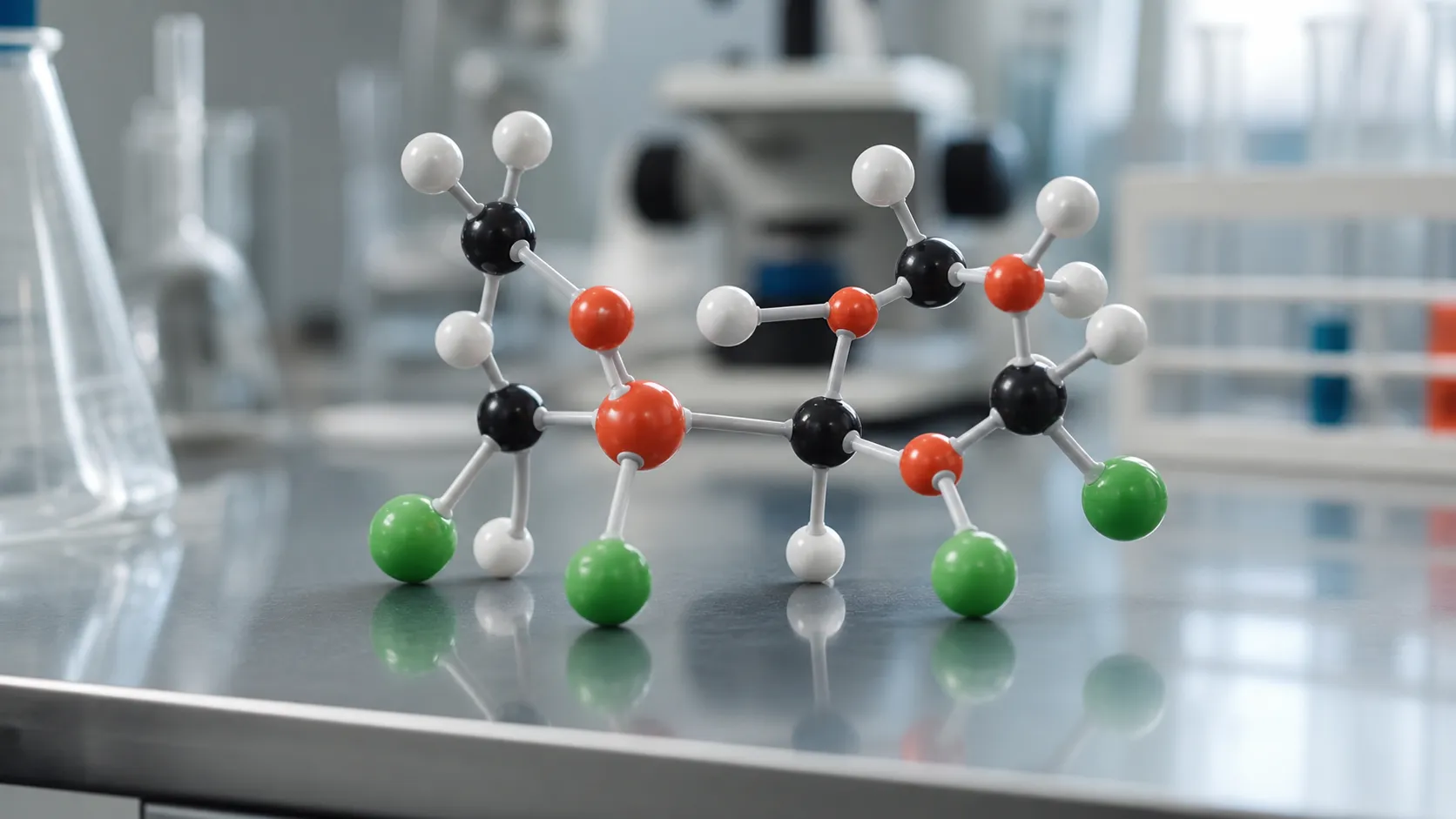
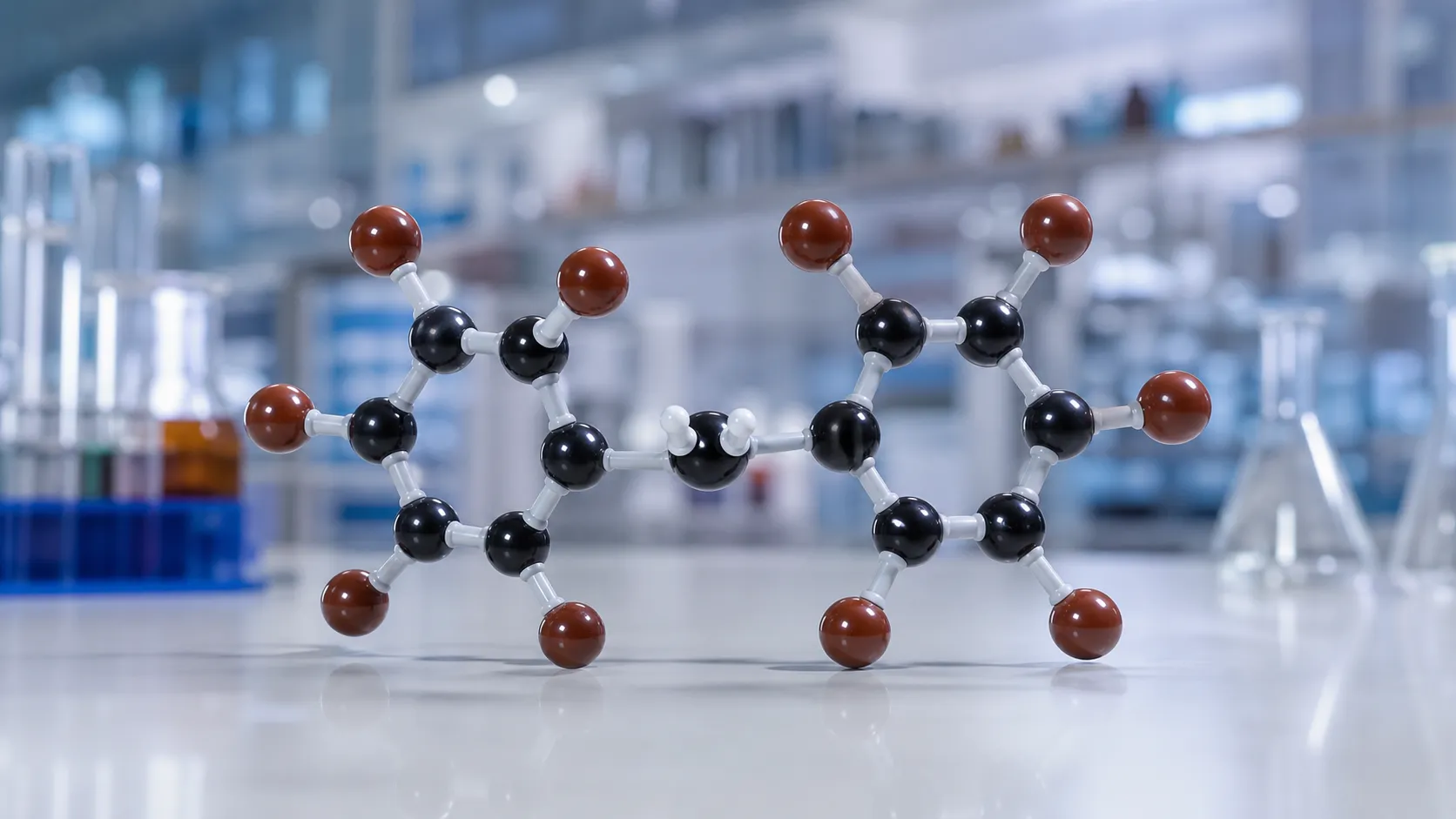
- Chemical Formula: C_{36}H_{70}CaO_4
- Molecular Weight: ~607.02 g/mol
- Composition: Commercial grades consist of a mixture of calcium salts of hard fatty acids, predominantly stearic acid (C_{18}H_{36}O_2) and palmitic acid (C_{16}H_{32}O_2).
Physical Properties: Appearance, Solubility, and Melting Point
Understanding these physical parameters helps you optimize processing temperatures and dispersion methods:
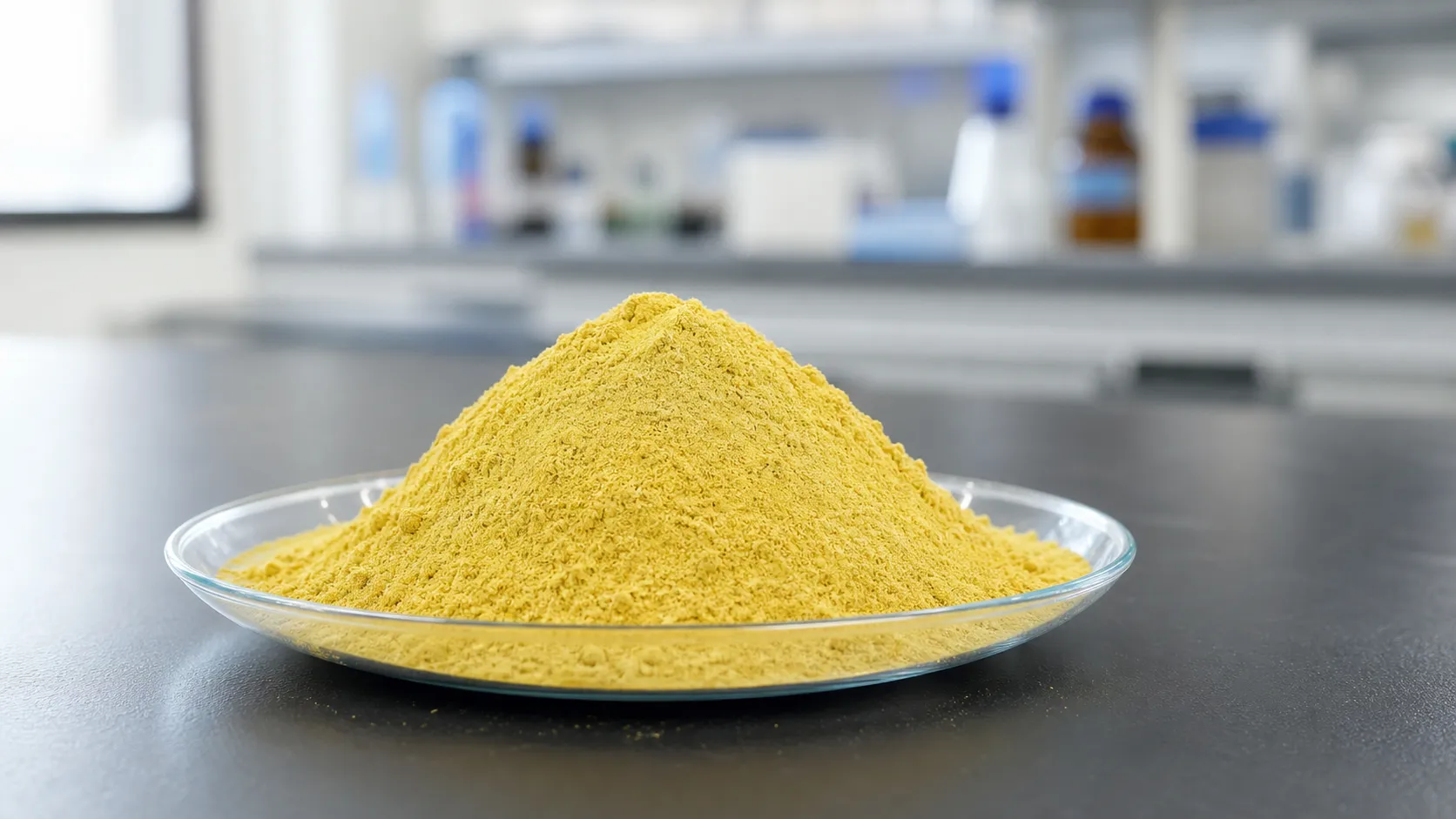
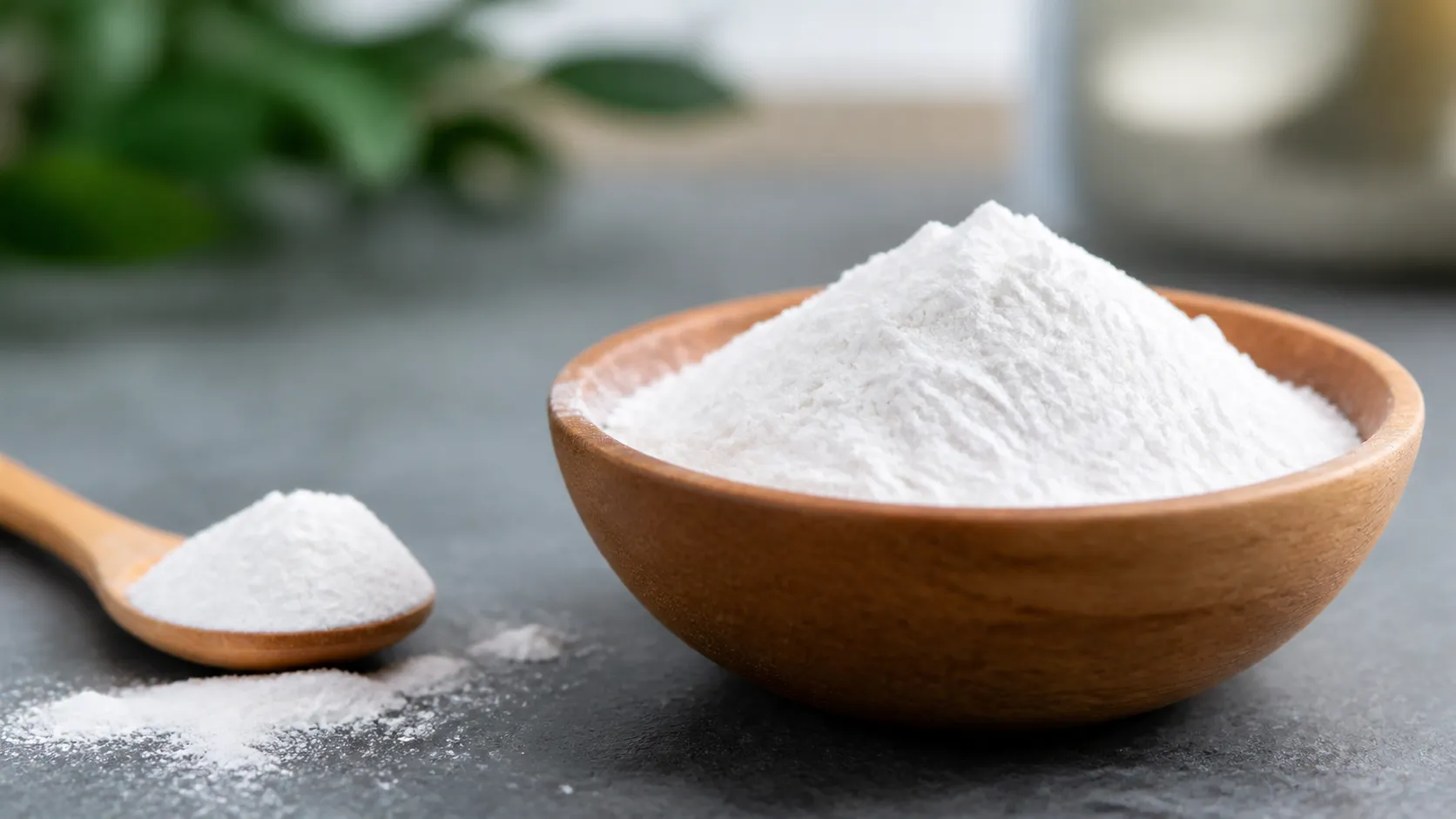
- Appearance: Fine, white, silky-feeling powder or granule.
- Solubility: Insoluble in water, alcohol, and ether. Slightly soluble in hot aromatic solvents or chlorinated hydrocarbons.
- Melting Point: Typically ranges between 145°C and 160°C (293°F–320°F).
- Hydrophobicity: Excellent water-repellent characteristics, preventing moisture absorption in dry blends.
How It Differs from Other Metallic Stearates
While all metallic soaps share lubricating properties, calcium stearate offers unique performance traits compared to zinc and magnesium stearates:
| Feature | Calcium Stearate | Zinc Stearate | Magnesium Stearate |
|---|---|---|---|
| Primary Function | Acid scavenger, PVC processing lubricant | High-clarity mold release agent, sanding sealer | Pharmaceutical tablet lubricant, powder flow aid |
| Heat Stability | Excellent; non-gelling at elevated processing temperatures | Moderate; can cause "zinc burning" in PVC at high levels | Moderate |
| Toxicity Profile | Non-toxic, widely approved for food contact | Non-toxic, but restricted in certain food/pharma uses | Non-toxic, pharmaceutical standard |
| Synergy | Pairs with zinc to form non-toxic PVC heat stabilizers | Pairs with calcium to provide initial color hold | Used independently or in dry powder blends |
How is Calcium Stearate Manufactured?
When we manufacture calcium stearate, getting the right purity, particle size, and performance comes down to the exact production path we choose. Depending on your end-use application—whether it's high-purity PVC processing, pharmaceutical tableting, or concrete waterproofing—we utilize specific chemical reaction methods and raw material sources to match your exact processing needs.
Direct Reaction: Neutralization vs. Saponification
We primarily use two distinct direct chemical routes to yield high-quality calcium stearate:
- Direct Neutralization (Fusion Method): We react stearic acid directly with calcium hydroxide (slaked lime) at elevated temperatures.
- Reaction: 2 C_{17}H_{35}COOH + Ca(OH)2 rightarrow (C{17}H_{35}COO)_2Ca + 2H_2O
- Advantage: Produces zero liquid waste or salt byproducts, making it an eco-friendly, cost-effective choice for industrial-grade applications.
- Saponification: We first react tallow or vegetable fats with sodium hydroxide to form sodium stearate (soap), which we then react with a soluble calcium salt like calcium chloride.
- Advantage: Gives us tighter control over chemical purity and yield, ideal for specialized applications.
Precipitation vs. Dry Process Methods
The physical form and particle size distribution of calcium stearate depend heavily on whether we use a wet or dry manufacturing process:
| Process Method | How It Works | Key Characteristics | Best Used For |
|---|---|---|---|
| Precipitation (Wet Process) | We perform the reaction in a water medium, followed by filtration, washing, and flash drying. | Produces ultra-fine powder with low bulk density, high surface area, and maximum purity. | Pharma tablets, clear PVC, premium masterbatches, fine coatings. |
| Dry Process (Direct Fusion) | We fuse dry fatty acids directly with calcium oxide or hydroxide at high temperatures without water. | Yields higher bulk density, low moisture content, dust-reduced granules or flakes. | High-volume rubber compounding, construction waterproofing, standard plastics. |
Vegetable-Based vs. Tallow-Based Stearic Acid Sources
The performance and regulatory status of calcium stearate start with the origin of the stearic acid raw material:
- Vegetable-Based Stearic Acid: Sourced from palm oil or coconut oil.
- Properties: 100% plant-based, Kosher and Halal certified, BSE/TSE-free.
- Applications: Essential for pharmaceutical excipients, food-grade E470a anti-caking agents, and cosmetics.
- Tallow-Based Stearic Acid: Sourced from rendered animal fats.
- Properties: Highly cost-effective with excellent lubricating efficiency.
- Applications: The preferred choice for industrial PVC lubricants, rubber mold release agents, and construction additives.
Key Industrial Applications of Calcium Stearate
When we formulate industrial compounds, calcium stearate is our go-to multi-functional additive. It serves as an essential metallic soap that solves processing bottlenecks, protects machinery, and boosts end-product durability across several major sectors.
Plastics and PVC Processing
In polymer processing, we rely heavily on calcium stearate to ensure smooth manufacturing runs and extend equipment lifespan:
- Acid Scavenger: It neutralizes residual acidic catalyst remnants (like HCl) during polyolefin production, preventing equipment corrosion and polymer degradation.
- Internal and External Lubricant: It balances flow characteristics, reducing friction between polymer chains and preventing molten plastic from sticking to metal die surfaces.
- Fusion Promoter: In rigid PVC processing, it optimizes fusion rates and torque, delivering a smooth surface finish on pipes, profiles, and sheets.
Rubber and Elastomer Manufacturing
Processing synthetic and natural rubber requires precise release control and thermal stability:
- Anti-Tack Agent: We apply it to rubber sheets and pellets to stop them from sticking together during storage or transport.
- Mold Release Agent: It ensures clean separation of molded rubber parts from hot metal dies, cutting down cycle times and defects.
- Scorch Prevention: It acts as a processing aid, minimizing internal friction heat during mixing to prevent premature vulcanization (scorch).
Construction and Concrete Industry
Moisture is the primary enemy of building materials. Calcium stearate provides long-lasting hydrophobic protection:
- Waterproofing Additive: As an insoluble water repellent, it seals capillaries in concrete, mortar, and block mixes to block moisture absorption.
- Efflorescence Reduction: By locking out water intrusion, it prevents soluble salts from migrating to the surface, keeping concrete structures free of white salt stains.
Paper Coatings and Board Manufacturing
For high-grade paper and paperboard production, calcium stearate optimizes surface handling and conversion:
- Surface Gloss and Smoothness: It lubricates coating formulations during supercalendering, producing a high-gloss, ultra-smooth print surface.
- Anti-Cracking and Foldability: It flexibilizes the coating color layer, stopping edge cracking when paper or board is folded or scored.
- Dusting Reduction: It keeps coating pigments bound tightly, preventing blade wear and dust build-up during high-speed printing.
Paints, Coatings, and Inks
In liquid formulations, calcium stearate improves stability and appearance:
- Pigment Suspension Aid: It prevents heavy pigments and fillers from settling into a hard cake during shelf storage.
- Flattening and Matting Agent: It acts as a natural matting agent, giving wood finishes and architectural coatings a uniform low-gloss sheen.
- Sanding Aid: In wood primers and sealers, it acts as a dry lubricant, making the surface easy to sand without clogging the sandpaper.
Role of Calcium Stearate in Regulated Industries
When formulators produce goods meant for human consumption, skin contact, or daily health regimens, regulatory compliance and purity are non-negotiable. We supply high-grade calcium stearate (CAS 1592-23-0) manufactured under strict quality standards to serve as a versatile, safe, and effective additive across regulated sectors.
Pharmaceuticals: Tablet Compression Lubricant and Capsule Excipient
In pharmaceutical manufacturing, flowability and consistent compression make or break a production run. We rely on calcium stearate as an essential non-toxic excipient and tablet lubricant.
- Prevents Sticking: Keeps powdered formulations from adhering to punches and dies during high-speed tablet compression.
- Improves Powder Flow: Acts as a glidant to ensure uniform die filling, minimizing weight variations across production batches.
- Capsule Processing Aid: Eases the filling of hard gelatin capsules by reducing friction between particles.
Food and Beverages: E470a Anti-Caking Agent and Flow Aid
Approved internationally as food additive E470a, our food-grade calcium stearate acts as a multifunctional processing helper in high-volume food processing.
- Anti-Caking Performance: Absorbs moisture and coats particles in dry mixes, spice blends, and powdered beverages to maintain a free-flowing texture.
- Dough Conditioner: Functions as a dough strengthener in commercial baking, enhancing dough handling and crumb structure.
- Processing Lubricant: Reduces machine drag and friction during high-speed extrusion of food products and candies.
Cosmetics and Personal Care: Texture Enhancer and Binding Agent
Formulating luxury skincare, color cosmetics, and personal care items requires precise texture, oil control, and stability.
| Cosmetic Function | Primary Benefit | Common Applications |
|---|---|---|
| Texture Enhancer | Provides a velvety, smooth feel without greasy residue | Face powders, blushes, eyeshadows |
| Binding Agent | Holds pressed powders together to prevent crumbling | Compact powders, body powders |
| Oil Absorber | Controls excess sebum and mattifies skin surfaces | Oily skin creams, primer formulations |
| Emulsion Stabilizer | Enhances product viscosity and hydrophobic barrier | Deodorants, lotion creams, sunscreen |
How to Choose the Right Calcium Stearate Grade for Your Process
Choosing the right grade of calcium stearate depends on your manufacturing process, processing speed, and industry standards. Matching the correct physical form, particle size, and purity grade prevents downtime, optimizes dispersion, and protects your end-product quality.
Physical Form: Powder vs. Micronized vs. Dispersion Liquid
We supply three primary physical formats of calcium stearate to fit different handling systems and formula requirements.
| Grade Form | Key Characteristics | Typical Applications |
|---|---|---|
| Standard Powder | Free-flowing, economical, 200–325 mesh size | PVC compounding, rubber compounding, dry construction mixes |
| Micronized Powder | Ultra-fine particles (<10 microns), high surface area | Masterbatches, thin films, high-gloss paper coatings, premium paints |
| Liquid Dispersion | Water-based slurry, dust-free, pre-dispersed | Paper coating mills, water-borne coatings, automated liquid dosing systems |
- Standard Powder: Best for dry blending processes where cost-efficiency and high lubricant performance matter most.
- Micronized Calcium Stearate: Delivers fast, uniform dispersion without clogging fine screen packs or creating surface defects in thin plastic films.
- Calcium Stearate Dispersion: Eliminates airborne dust risks, simplifies liquid metering, and eliminates dry mixing steps in aqueous formulations.
Particle Size and Bulk Density Options
Particle size distribution and bulk density directly impact feed consistency, shear rate, and dispersion quality in your equipment.
- High Bulk Density (Heavy Grade): Offers compact storage, reduced dust, and easy flow through automated hoppers and extruders.
- Low Bulk Density (Light Grade): Provides maximum surface coverage per unit of weight, ideal for rapid absorptive blending in dry mixes.
- Narrow Particle Size Distribution: Prevents agglomeration and guarantees predictable melt temperatures during continuous processing.
Technical/Industrial vs. Food/Pharma (USP/FCC) Requirements
Regulatory compliance determines whether you need a technical-grade additive or a certified food/pharma-grade material.
- Technical/Industrial Grade: Designed for plastics, PVC stabilizers, rubber, and construction materials. It prioritizes lubrication, acid scavenging, and water repellency at an optimal cost.
- Food/Pharma Grade (USP, NF, FCC, E470a): Manufactured under strict GMP standards using 100% vegetable-derived stearic acid. Fully tested and certified for heavy metals, residual solvents, and purity for use in tablet compression, food anti-caking, and direct food-contact packaging.
Handling, Storage, and Safety Profile for Calcium Stearate
We treat handling and storing calcium stearate with the same precision as any high-performance chemical additive. While it is non-toxic and widely accepted across regulated industries, observing proper safety and environmental controls ensures product quality and protects your workplace. Here is a breakdown of key safety data sheet (SDS) highlights, regulatory approvals, and storage recommendations.
Toxicity and Regulatory Status
Calcium stearate is recognized globally for its high safety profile and minimal environmental impact.
- FDA GRAS Status: Approved by the U.S. FDA as Generally Recognized as Safe (GRAS) for indirect food contact packaging and direct food additive uses (21 CFR 184.1229).
- EFSA & E470a Approval: Registered under European food additive code E470a (fatty acid salts of calcium), making it fully compliant for food, pharma, and personal care formulations across European markets.
- REACH Compliance: Fully registered under EU REACH regulations, verifying low aquatic and human toxicity.
- Biocompatibility: Non-irritating to skin under normal exposure, with very low oral toxicity.
Dust Explosion Risks and Prevention Controls
Like most organic fine powders, calcium stearate powder can form explosive dust-air mixtures if suspended in high concentrations near an ignition source.
- Grounding Equipment: Ensure all pneumatic conveying systems, silos, and mixing hoppers are properly grounded to prevent static discharge.
- Housekeeping: Avoid dry sweeping or using compressed air to clean spills. Use explosion-proof industrial vacuum systems to prevent airborne dust accumulation.
- Ignition Source Control: Keep processing areas free of open flames, unrated electrical fixtures, and hot surfaces. Maintain air ventilation below the minimum explosive concentration (MEC).
Proper Storage Conditions to Prevent Moisture and Clumping
Although calcium stearate acts as a hydrophobic water repellent in finished products, raw powder absorbs ambient moisture over time, leading to caking and flow issues in automated feeders.
| Storage Factor | Recommended Protocol |
|---|---|
| Temperature | Store in a cool, dry warehouse away from direct sunlight and heat sources (15 °C to 25 °C / 59 °F to 77 °F). |
| Humidity Control | Maintain relative humidity below 60% to stop powder agglomeration and clumping. |
| Packaging Integrity | Keep bags sealed in original multi-wall paper bags or moisture-barrier IBC totes until use. |
| Pallet Stacking | Do not double-stack pallets for extended periods to avoid pressure-induced caking at the bottom bags. |
Frequently Asked Questions About Calcium Stearate
Is Calcium Stearate Water-Soluble?
No, calcium stearate is completely insoluble in water. Its long-chain hydrocarbon structure gives it strong hydrophobic properties. Instead of dissolving, it repels water and floats, making it an effective hydrophobic water repellent additive for concrete, paper coatings, and dry powder mixes.
Is Calcium Stearate Safe for Food Contact and Human Consumption?
Yes, it is widely cleared for sensitive applications under strict global standards.
- FDA GRAS Status: Approved for direct food contact and indirect packaging use.
- E470a Food Additive: Certified safe in global markets as a dough conditioner and anti-caking agent.
- Pharma Grade Compliance: Meets USP/FCC requirements as a non-toxic tablet lubricant excipient and capsule binder.
How Does Calcium Stearate Function as an Acid Scavenger in PVC?
During heat processing, PVC releases traces of acidic hydrochloric acid (HCl), which accelerates polymer breakdown. Calcium stearate works as a primary acid scavenger by neutralizing this acid directly:
- Acid Neutralization: Reacts with liberated HCl to form stable, non-corrosive calcium chloride and stearic acid.
- Chain Protection: Prevents acid-catalyzed degradation and keeps the polymer backbone intact.
- Equipment Safety: Stops acidic vapor from corroding processing screws, dies, and molds.
Can Calcium Stearate Be Used as a Standalone Stabilizer?
No, calcium stearate works best as a co-stabilizer rather than a standalone solution. While it neutralizes acids and adds critical internal and external lubrication, it lacks sufficient long-term heat stabilization power on its own. We recommend combining it with zinc stearate or organotin systems to prevent early yellowing and ensure complete thermal protection during processing.