Formula details
Product Details
Overview
What Is Deca-BDE & How Does It Work?
Struggling to hit stringent UL 94 V-0 flammability standards without compromising melt processing stability or polymer mechanicals? Flame retardancy in high-performance thermoplastics demands absolute additive reliability.
Deca-BDE (Decabromodiphenyl ether, CAS 1163-19-5) remains one of the most widely referenced additive flame retardants in industrial plastics processing. Also known as decabromodiphenyl oxide (DBDPO) or BDE-209, this fully brominated aromatic ether delivers exceptional thermal resistance and flame suppression across heavy-duty polymer matrices.
Deca-BDE Chemical Identity & Key Properties
Deca-BDE belongs to the polybrominated diphenyl ethers (PBDEs) class. Its high aromatic bromine content provides maximum flame-inhibiting efficiency at relatively low loading levels.
- CAS Registry Number: 1163-19-5
- Chemical Formula: C12Br10O
- Bromine Content: ~83% by weight
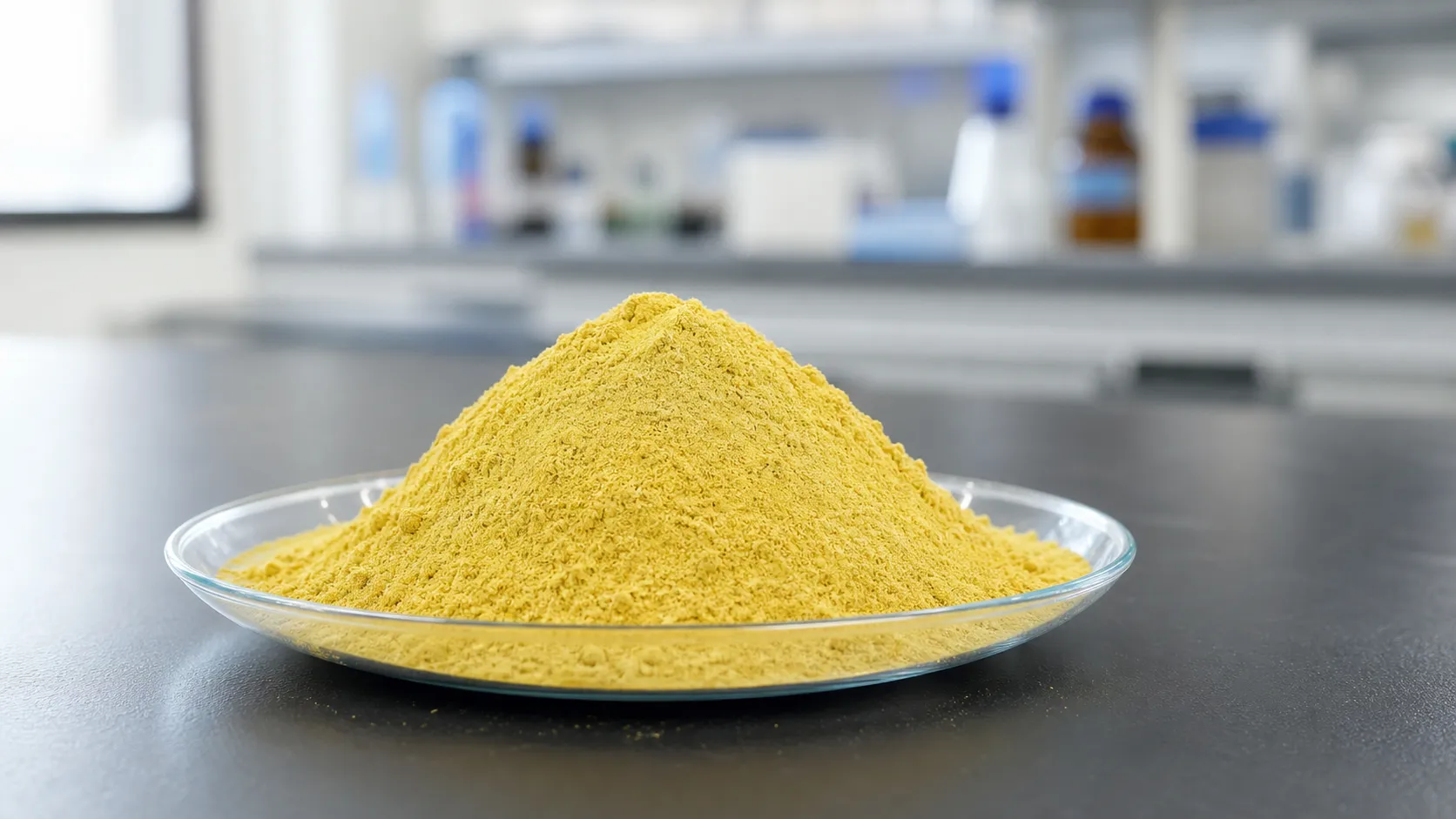
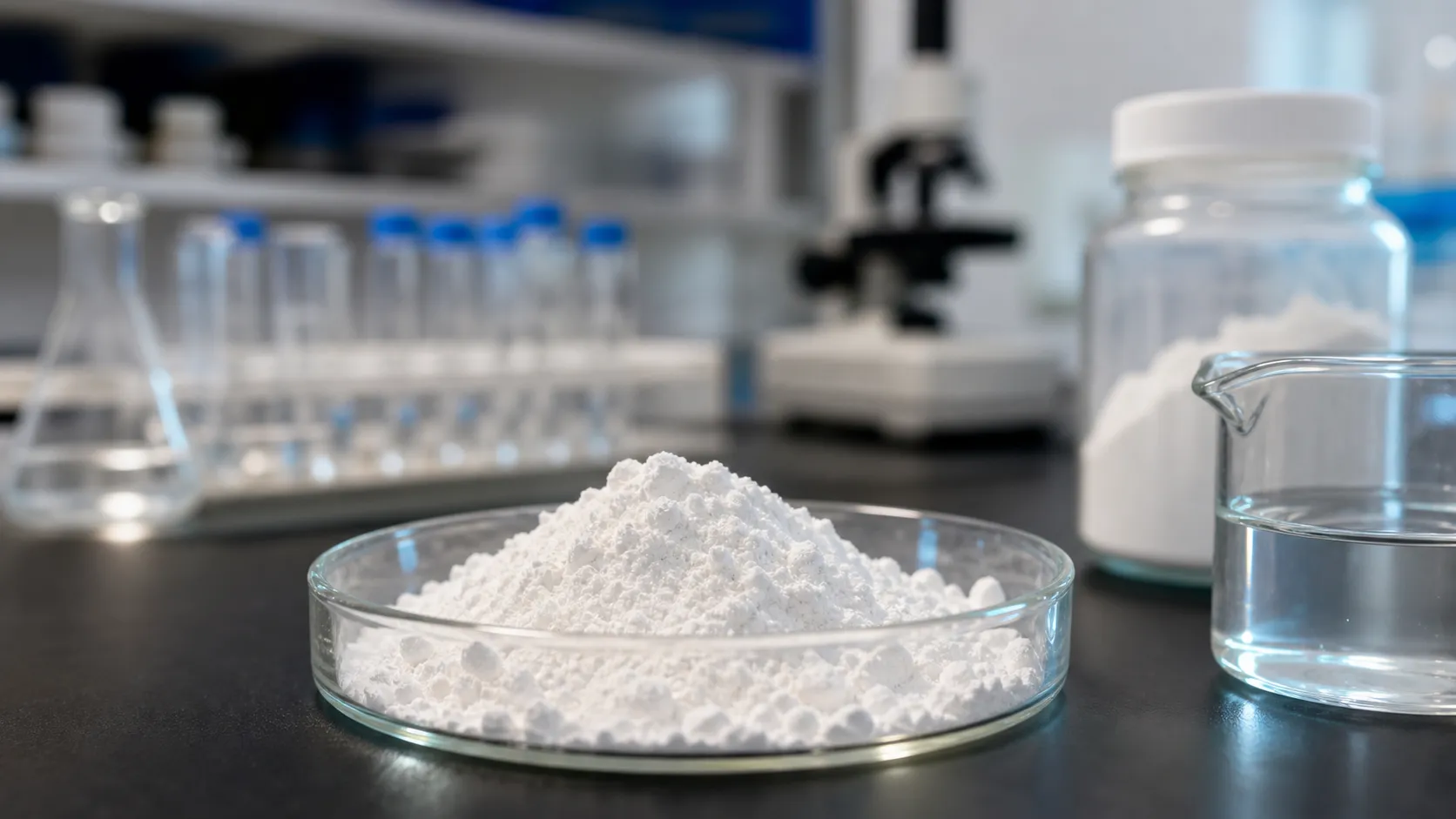
- Appearance: Fine, off-white to white powder
- Thermal Decomposition: Greater than 300°C
Free-Radical Scavenging in Polymer Matrices
Deca-BDE functions strictly as an additive flame retardant operating primarily in the gas phase during combustion:
- Thermal Breakage: Under combustion heat, the carbon-bromine (C–Br) bonds cleavage, releasing active bromine radicals ($Br^bullet$).
- Radical Interception: Released bromine radicals intercept high-energy hydrogen ($H^bullet$) and hydroxyl ($OH^bullet$) free radicals propagated by polymer degradation.
- Exothermic Suppression: Converting reactive radicals into low-energy molecules suppresses exothermic oxidation reactions, snuffing out the flame flame-chain cycle.
Antimony Trioxide Synergy for UL 94 V-0
Achieving top-tier UL 94 V-0 flame retardancy relies on pairing Deca-BDE with an antimony trioxide synergist ($Sb_2O_3$). Combining these additives triggers a gas-phase reaction forming antimony oxyhalides and antimony trihalides ($SbBr_3$).
Key Performance Advantage: Antimony trihalides act as dense gaseous blankets that starve the flame zone of oxygen while extending the active residence time of bromine radicals in the combustion zone.
- Standard Loading Ratio: Typically 3:1 to 4:1 (Deca-BDE to $Sb_2O_3$).
- Efficiency Boost: Reduces total required additive load by up to 50%, preserving physical impact strength and polymer processability.
Technical Specifications & Physical Parameters
When we evaluate Deca-BDE (decabromodiphenyl ether, CAS 1163-19-5) for high-temperature plastics compounding, getting exact technical data is essential to avoid processing hiccups. Below are the core physical and chemical specifications we maintain for standard production batches.
Deca-BDE Standard Specification Summary
| Parameter | Specification Limit | Test Standard / Method |
|---|---|---|
| Chemical Name | Decabromodiphenyl oxide (DBDPO) | — |
| CAS Number | 1163-19-5 | — |
| Appearance | Fine white to off-white powder | Visual |
| Assay (Purity) | ≥ 97.0% | HPLC |
| Bromine Content | ~ 83.0% | Volhard titration |
| Melting Point | 300°C – 310°C | Melting point apparatus |
| Volatile Matter | ≤ 0.20% | 105°C for 2 hours |
| Free Bromine | ≤ 10 ppm | Titration |
Particle Size Distribution & Thermal Stability Profiles
Proper dispersion in thermoplastic matrices relies on precise particle size control and robust thermal resistance during extrusion.
- Particle Size Distribution ($D_{50}$): Our standard grade typically hits a $D_{50}$ of 3.0 to 5.0 microns. This fine particle size prevents surface defects and ensures even flame retardant distribution in thin-wall moldings.
- Thermal Decomposition Profile: Deca-BDE offers high thermal stability in thermoplastics, showing initial weight loss ($T_{GA}$ 1%) only above 320°C. It handles standard melt temperatures in HIPS, ABS, and polyolefins without off-gassing or premature breakdown.
Strict Impurity Limits & Quality Control Standards
Residual impurities directly impact color stability and polymer aging. We run rigid quality checks on every lot to meet standard industry thresholds:
- Free Bromine (le 10 ppm): Unreacted bromine causes severe equipment corrosion and polymer discoloration during high-shear compounding.
- Volatile Matter (le 0.20%): Moisture and low-boiling volatile control keeps mold venting clear and eliminates surface splay on finished plastic parts.
Key Polymer Applications & Compounding Guidance
How do you maintain a UL 94 V-0 rating across different resin bases without destroying melt flow or mechanical strength? Over years of compounding with Deca-BDE (decabromodiphenyl ether, CAS 1163-19-5), I've found that getting the loading ratios and shear conditions right is everything. Because it operates as an additive flame retardant, Deca-BDE doesn't bond chemically with the polymer matrix. You need precise dispersion to avoid blooming, surface haze, or drop-offs in impact resistance.
Below is how we formulate with Deca-BDE across primary resin platforms, including key loading levels and synergist ratios.
High-Impact Polystyrene (HIPS) & ABS Housings
HIPS television back covers, electronics housings, and ABS enclosures represent classic use cases for Deca-BDE. Its high thermal stability prevents degradation during high-shear injection molding.
- Target Rating: UL 94 V-0 (1.6 mm thickness)
- Standard Formulation: 11%–15% Deca-BDE + 3%–5% Antimony Trioxide ($Sb_2O_3$)
- Compounding Tip: Keep melt temperatures under 240°C during extrusion to prevent localized discoloration. Use a twin-screw extruder with medium-shear screw profiles to ensure uniform dispersion without degrading the rubber phase in HIPS.
Polyolefins (PE, PP) & Cable Insulation
Polyolefins require carefully balanced flame retardant packages due to their high fuel value and tendency to drip when burning.
- Wire & Cable (LDPE/LLDPE): 20%–25% Deca-BDE + 8%–10% Antimony Trioxide yields excellent flame retardancy for jacket compounds while maintaining electrical insulation properties.
- Polypropylene (PP) Injection Molding: Combine 12%–15% Deca-BDE with 4%–5% $Sb_2O_3$. To eliminate flaming drips, add 0.2%–0.5% anti-dripping agent (PTFE).
Engineering Plastics & Technical Textiles
High-temperature resins like Polybutylene Terephthalate (PBT) and Polyamides (Nylon 6/66) demand maximum thermal performance during compounding.
- PBT Formulations: 10%–12% Deca-BDE + 3%–4% Antimony Trioxide provides a stable V-0 rating for electrical connectors without significantly affecting tensile strength.
- Polyamides (PA6/PA66): Requires up to 14%–16% Deca-BDE. Note that high processing temperatures (260°C+) require dry raw materials to prevent hydrolytic degradation.
- Textile Back-Coatings: Formulated as a water-based dispersion with polymer lattices (acrylic or polyurethane) for technical fabrics, upholstery, and protective drapery.
Deca-BDE Compounding Summary Table
| Polymer System | Typical Deca-BDE Loading (%) | Antimony Trioxide Ratio | Target Flammability Rating | Primary End-Use Application |
|---|---|---|---|---|
| HIPS | 12% – 14% | 3:1 to 4:1 | UL 94 V-0 (1.6 mm) | TV cabinets, monitor back covers |
| ABS | 14% – 18% | 3:1 to 4:1 | UL 94 V-0 (1.6 mm) | Business machine enclosures |
| PP (Copolymer) | 12% – 15% + Anti-drip | 3:1 | UL 94 V-0 (3.0 mm) | Electrical junction boxes, appliance parts |
| PE / Cable | 20% – 25% | 2.5:1 | UL 94 V-0 / VW-1 | Wire jacket insulation, heat-shrink tubes |
| PBT (GF-reinforced) | 10% – 12% | 3:1 | UL 94 V-0 (0.8 mm) | Automotive connectors, relays |
| Polyamide (PA6) | 14% – 16% | 3:1 | UL 94 V-0 (1.6 mm) | Industrial switchgear, circuit breakers |
Regulatory Landscape & Dropping in Compliant Alternatives
Global Deca-BDE Restrictions
Navigating global chemical compliance means keeping a tight handle on phase-outs. Deca-BDE (BDE-209, CAS 1163-19-5) is strictly regulated worldwide as a Persistent Organic Pollutant (POP). If you ship parts globally, staying clear of restricted polybrominated diphenyl ethers (PBDEs) is critical to avoiding customs holds and heavy fines.
- Stockholm Convention: Listed under Annex A for global elimination, heavily restricting production and import across participating countries.
- EU REACH & RoHS: Deca-BDE is listed on the REACH SVHC list and strictly banned under RoHS in electrical and electronic equipment above a 0.1% (1000 ppm) weight limit.
- US EPA TSCA Section 6: Prohibits the manufacturing, processing, and distribution of Deca-BDE in commerce, driving rapid adoption of non-restricted additives.
Deca-BDE vs. Drop-In Alternatives
| Property / Parameter | Deca-BDE | DBDPE Alternative | Polymeric Brominated | Halogen-Free (HFFR) |
|---|---|---|---|---|
| CAS Number | 1163-19-5 | 84852-53-9 | Proprietary / Varies | Varies (Phosphorus/AlOH) |
| Global Compliance | Restricted (POPs, TSCA, RoHS) | Fully Compliant | Fully Compliant | Fully Compliant |
| Drop-in Ease | Baseline | Direct Drop-In | Process Adjustments Needed | Tooling/Design Changes Needed |
| Thermal Bloom / Migration | High Risk | Zero Blooming | Zero Blooming | None |
| Synergist Required | Antimony Trioxide ($Sb_2O_3$) | Antimony Trioxide ($Sb_2O_3$) | Antimony Trioxide ($Sb_2O_3$) | Varies / None |
DBDPE: The Direct Drop-In Replacement
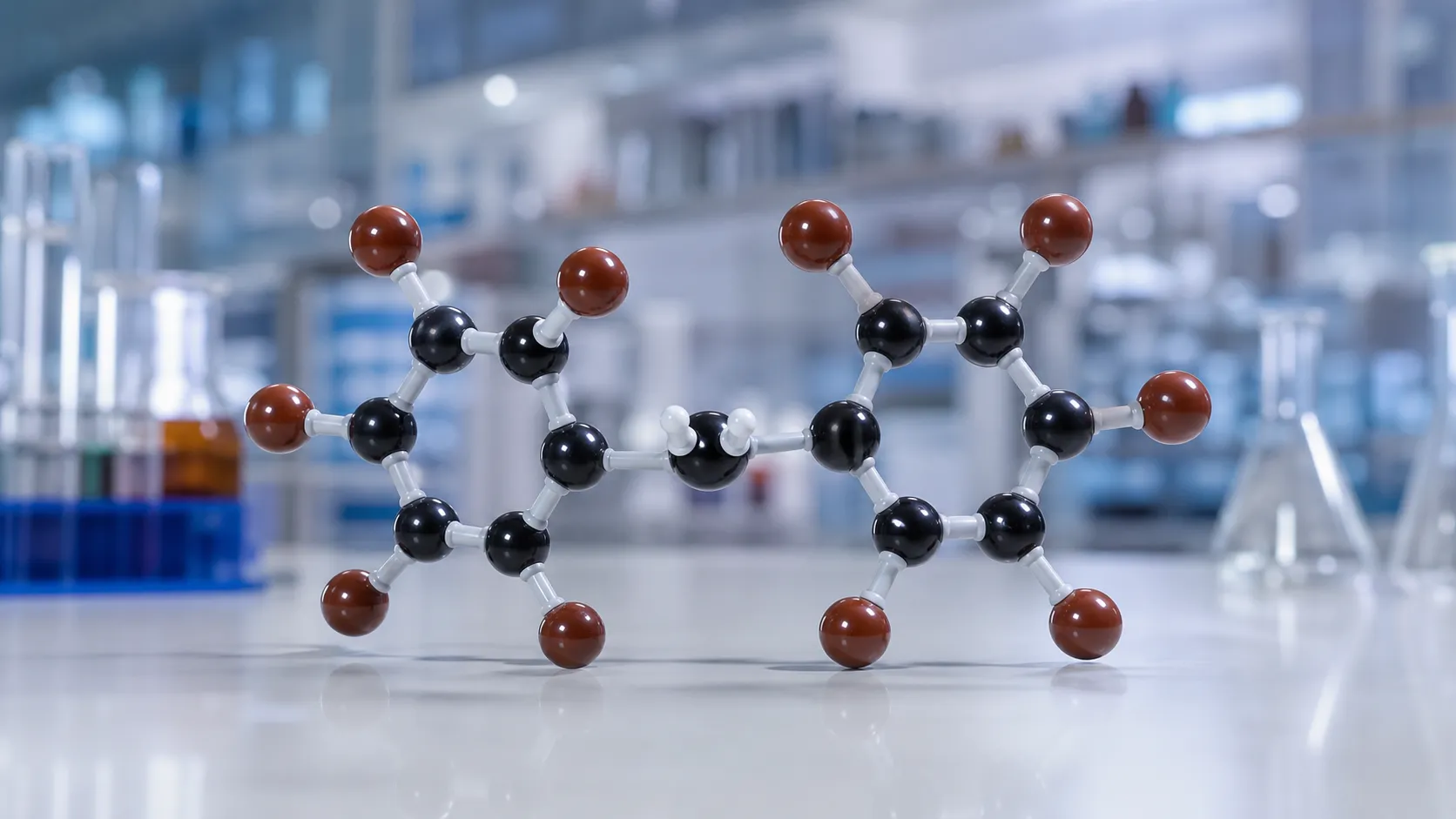
When you need an immediate switch without re-tooling, Ethane-1,2-bis(pentabromophenyl) (DBDPE) is our primary recommendation. It mirrors the performance of Deca-BDE without violating global halogen regulations.
- Equal Flame Retardancy: Achieves UL 94 V-0 in HIPS, ABS, and polyolefins at similar loading rates.
- Identical Processing: Matches melting points and thermal stability, so you keep your existing extrusion temperatures and die settings.
- No Surface Blooming: High molecular weight stops it from migrating or chalking on molded parts over time.
Polymeric & Halogen-Free Systems
For ultra-strict environmental standards or next-generation product lines, we offer advanced polymeric brominated and halogen-free flame retardant (HFFR) systems.
- Polymeric Brominated Additives: Bound directly into the polymer backbone. They offer outstanding heat stability and zero blooming, making them perfect for high-temperature engineering plastics like PBT and Polyamides.
- Halogen-Free (HFFR) Additives: Based on phosphorus and aluminum trihydrate chemistries. These systems eliminate halogen gases completely during combustion, meeting green building and low-smoke zero-halogen (LSZH) cable specs.
Quality Assurance, Packaging & Handling
ISO 9001 Quality Control & COA Verification
We run strict ISO 9001-certified batch testing on every lot of Deca-BDE (CAS 1163-19-5). We verify key physical and chemical specifications before shipment so your compounding lines run smoothly without unexpected processing shifts.
Every shipment comes with a comprehensive Certificate of Analysis (COA) covering key parameters:
Purity & Bromine Content: Confirming baseline flame retardancy performance.
Particle Size Distribution (D50): Ensuring uniform dispersion in polymer matrices.
Volatile Matter & Free Bromine: Checking precise purity limits using standardized test methods.
Deca-BDE Packaging Specifications
We provide flexible, moisture-resistant packaging options to fit both automated feeding systems and manual batch compounding:
| Packaging Type | Standard Weight | Best Used For | Key Highlights |
|---|---|---|---|
| Composite Paper-Plastic Bags | 25 kg (~55 lbs) | Pilot runs, smaller compounding batches, manual dosing | Multi-wall moisture barrier, PE inner liner, easy stacking |
| Bulk Super Sacks (FIBC) | 500 kg – 1,000 kg | Continuous high-volume extrusion, automated plant feeds | Dust-free bottom discharge spouts, heavy-duty lifting loops |
Storage Conditions & Safe Handling Protocols
Keeping Deca-BDE stable while maintaining workplace safety requires simple, standard industrial protocols:
- Storage Environment: Keep containers tightly closed in a cool, dry, and well-ventilated warehouse. Keep away from direct sunlight, open flames, and incompatible strong oxidizing agents.
- Dust Control: Use local exhaust ventilation at loading hoppers and extrusion feed points to keep airborne particulate levels well within occupational exposure limits.
- Personal Protective Equipment (PPE): Operators should wear NIOSH-approved dust masks, safety goggles with side shields, and nitrile gloves when opening bags or handling raw powder.
- Static Prevention: Ground all mechanical conveyance systems and bulk sack discharge frames during unloading to prevent static charge accumulation.
Deca-BDE FAQs & Technical Support
How does Deca-BDE differ from Octa-BDE and Penta-BDE?
We get this question constantly from compounders managing legacy formulations. The primary difference lies in the degree of bromination, thermal stability, and specific polymer compatibility.
- Deca-BDE (BDE-209, CAS 1163-19-5): Contains 10 bromine atoms. It operates as a fully brominated additive flame retardant with high thermal stability, making it ideal for high-temperature engineering plastics like HIPS, ABS, and polyolefins.
- Octa-BDE & Penta-BDE: Contain fewer bromine atoms. Penta-BDE was historically used in flexible polyurethane foam, while Octa-BDE targeted ABS resins. Both degrade at lower processing temperatures and face earlier, more severe global restrictions due to higher bioaccumulation risks.
| Feature | Deca-BDE (BDE-209) | Octa-BDE | Penta-BDE |
|---|---|---|---|
| Bromine Content | ~83% | ~79% | ~71% |
| Primary Applications | HIPS, ABS, PE, PP, Textiles | ABS, Nylon | Flexible PU Foam |
| Thermal Stability | High (>300°C) | Moderate | Low |
| Additive vs Reactive | Additive | Additive | Additive |
Can DBDPE replace Deca-BDE without altering extrusion die settings?
Yes, DBDPE (Ethane-1,2-bis(pentabromophenyl)) is a direct drop-in replacement for Deca-BDE. You rarely need to modify your extrusion die settings or screw profiles.
Because DBDPE shares a nearly identical bromine content (~82%) and molecular weight profile with decabromodiphenyl oxide, melt viscosity and flow behavior remain stable.
- No thermal breakdown: DBDPE offers superior UV resistance and thermal stability without causing melt pressure spikes.
- Equal loading: You can maintain your standard 1:1 loading ratio in most HIPS and polyolefin matrices.
- Processing adjustments: Keep melt temperatures within standard operating windows; no die adjustments or barrel temperature recalibrations are required.
What is the optimal Antimony Trioxide ratio for UL 94 V-0 in HIPS?
To achieve a UL 94 V-0 rating in High-Impact Polystyrene (HIPS), we recommend maintaining a 3:1 or 2.5:1 ratio of Deca-BDE (or DBDPE) to Antimony Trioxide (Sb_2O_3).
Antimony trioxide works purely as a synergist. It forms antimony trichloride/tribromide in the gas phase to suppress flames, but it lacks flame-retardant properties on its own.
- Standard Formulation: 12% to 15% Deca-BDE + 4% to 5% Antimony Trioxide.
- Optimized Performance: 12% Deca-BDE + 4% Sb_2O_3 yields V-0 down to 1.6 mm specimen thickness while preserving impact strength.
- Cost Control: Exceeding 5% Sb_2O_3 increases cost and impairs mechanical properties without improving flammability ratings.
What compliance documentation accompanies international shipments?
Every international order we ship includes a complete compliance package to pass customs smoothly and meet regional environmental mandates:
- Certificate of Analysis (COA): Validates batch purity, free bromine limits, particle size distribution (D50), and volatile matter content.
- Safety Data Sheet (SDS): Fully aligned with GHS and local regulatory standards (US OSHA, EU REACH).
- RoHS & REACH Declarations: Outlines compliance, substance-of-very-high-concern (SVHC) disclosures, or drop-in substitute verification.
- TSCA Certification: Confirms export/import inventory status under US EPA regulations.